It starts with a few dark specks on the pantry shelf, next to the box of crackers you opened last week. Then a corner of the bag looks chewed. The doors are shut, the windows are closed, and you can’t see a single hole anywhere. So how did anything get in?
This is not your fault. The way in is almost always smaller than people imagine, and the food that draws mice inside is usually sitting in plain sight.
Why cold nights bring mice inside
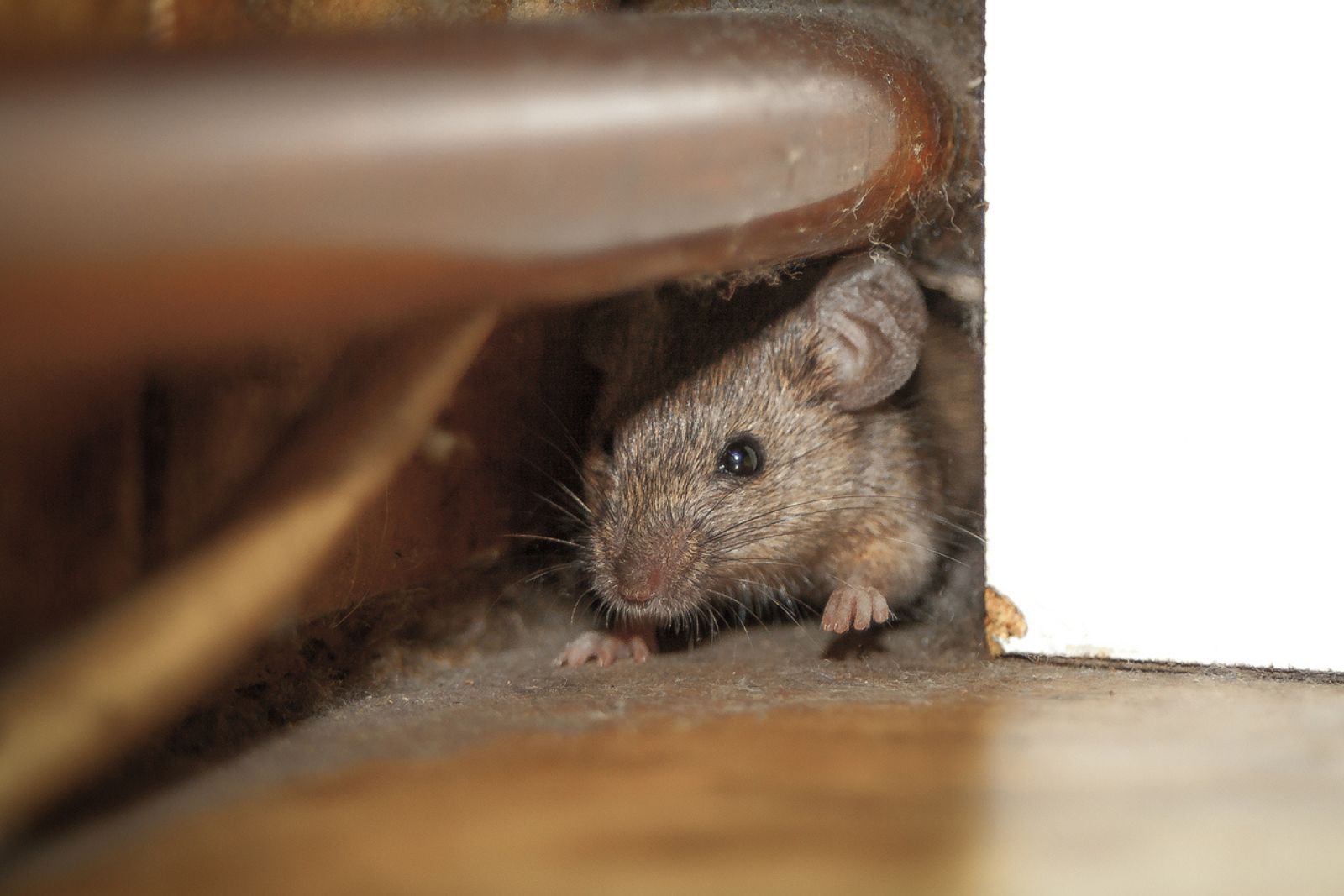
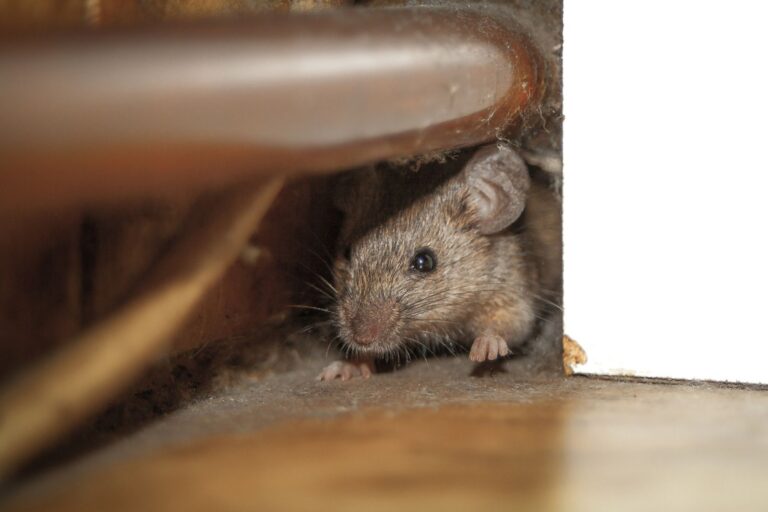
Fall is when pest pros start warning homeowners, and the numbers explain why. The National Pest Management Association estimates that rodents invade 21 million homes each winter, and says mice can fit through holes as small as a dime.
The CDC goes even further: it says mice can fit through a hole the width of a pencil, about 1/4 inch. That’s why a house can look sealed and still let them in. The openings that matter are the ones you never look at: where pipes and wires pass through walls, behind appliances and along the foundation.
Once inside, the pantry is the payoff. An open cereal box, a torn bag of flour or a sack of pet food on the floor gives them a reason to stay.
How to close the doors they use
- Check the hidden spots. The CDC lists places to inspect inside: around the pipes under sinks and washing machines, behind appliances, in the attic and around floor and dryer vents. Outside, check the roof line, eaves and soffits, the gap between the foundation and the ground, and around electrical, water, gas and sewer lines.
- Plug small holes with steel wool. The CDC says to fill small holes with steel wool, then put caulk around it to hold it in place, or use spray foam.
- Use metal for bigger gaps. For larger holes, the agency recommends lath screen, metal, cement, hardware cloth or metal sheeting.
- Move pantry food into hard containers. The CDC advises keeping food in thick plastic, metal or glass containers with tight lids. The NPMA says that goes for pet food, too.
- Don’t leave bowls out overnight. The CDC says not to leave food or water bowls out overnight, and to keep indoor garbage in thick plastic or metal cans with tight lids.
- Clear the outside. The NPMA suggests storing firewood at least 20 feet from the house and five feet off the ground, and keeping shrubs trimmed away from the walls.
Plan B if the specks keep showing up: wipe up crumbs and spills right away and clear clutter, since the NPMA notes rodents often hide in it. Then call a pro.
Cleaning up safely, and when to call for help
Droppings need care. The CDC says not to sweep or vacuum rodent urine, droppings or nesting material, because it can send tiny droplets containing viruses into the air. Instead, open the doors and windows for 30 minutes and leave the area. Then put on rubber or plastic gloves and spray the mess with a fresh mix of 1.5 cups of household bleach per gallon of water until it’s very wet. Let it sit for 5 minutes, wipe it up with paper towels and throw them away in a covered garbage can. Wash your gloved hands, remove the gloves, then wash your hands again with soap and warm water.
Know when to stop. The NPMA says that if you suspect an infestation, it’s best to skip natural deterrents and contact a pest control professional, because rodent problems can get out of hand quickly.
If you’re reorganizing the pantry anyway, these pantry setups show how clear, labeled canisters keep dry goods in view, so you’ll spot trouble sooner.
Seal the small gaps, lock up the food, and give them nothing to come back for. That’s the trick.