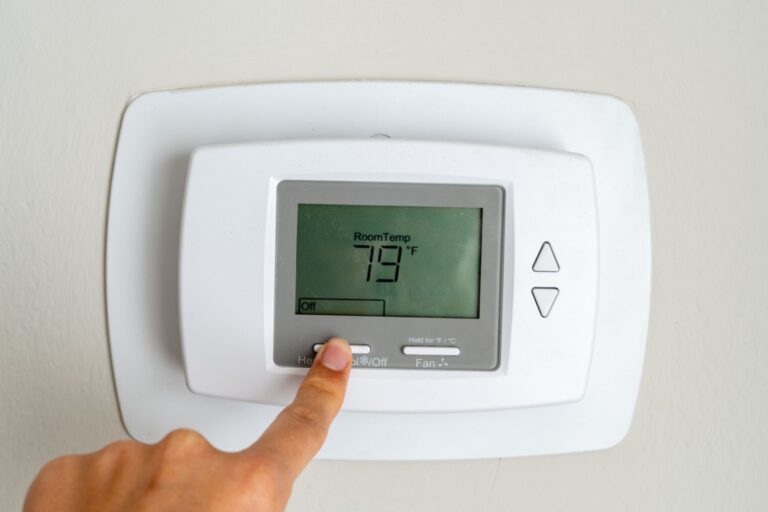
The thermostat has been sitting at 70°F day and night since October. You’re at work all day and the house is empty, but someone once told you that heating a cold house back up costs more than keeping it warm. Then the first big heating bill of the winter arrives, and it’s higher than last year’s.
This is not your fault. Keeping the heat steady sounds logical, and the idea that a furnace burns extra fuel “catching up” is a tip you hear every winter. The physics points the other way.
Why steady heat costs more
Cristina Bayés, an industrial engineer and energy-efficiency specialist at the sustainability consultancy Anthesis, addressed the myth on a sustainability podcast. As El Español reported, she said, in Spanish, that saying that leaving the heating on constantly helps you save money is false. She added that the real savings depend on how you use your heating, how well the home is insulated, how much time you spend there and what kind of system you have.
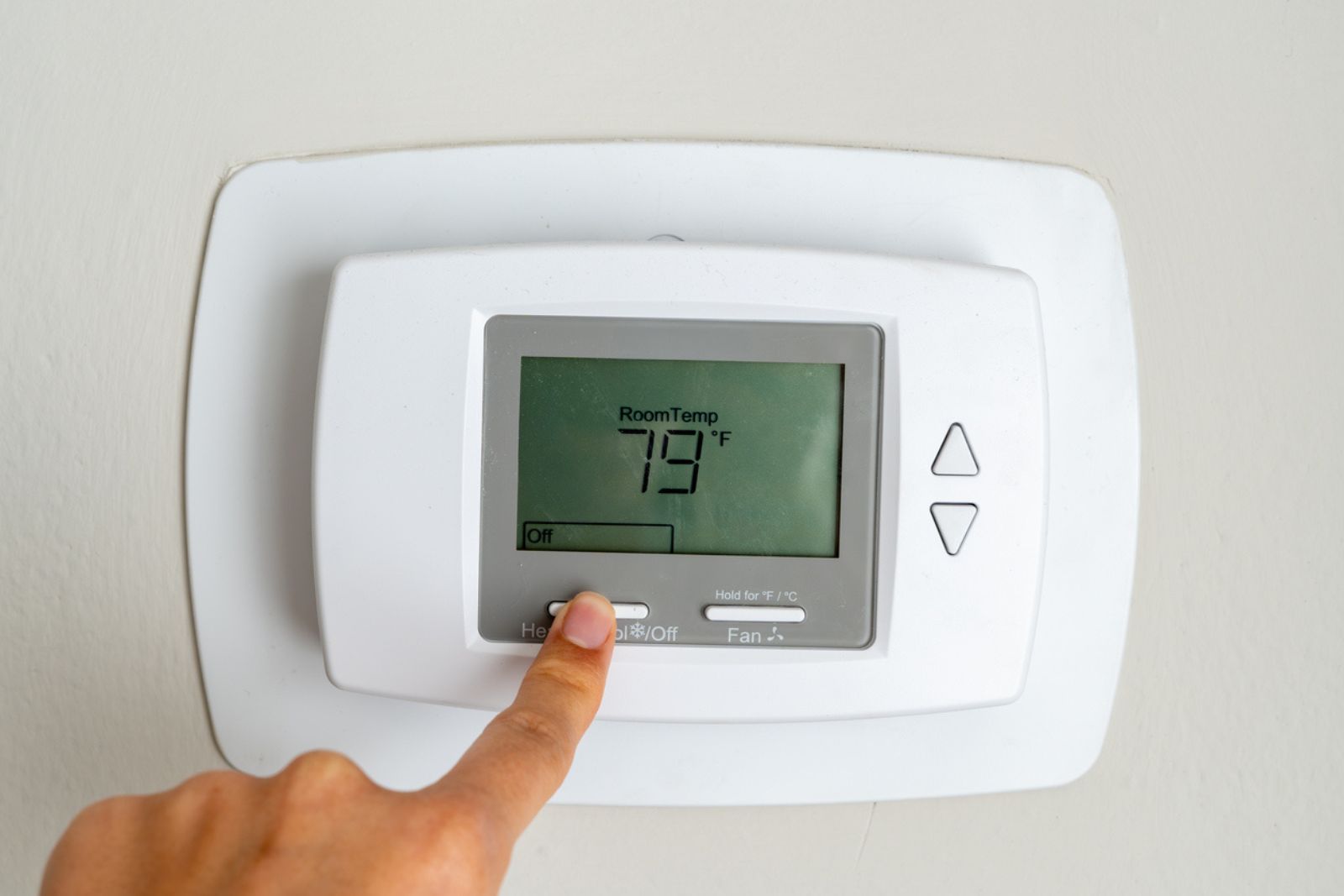
Here’s the mechanism. A warm house is always losing heat to the cold outside, and a house loses heat more slowly when its indoor temperature is lower. Every hour the house sits a few degrees cooler, less heat escapes, so there’s less to replace. That’s why the Department of Energy says that setting your thermostat back 7°F to 10°F for at least 8 hours a day can save up to 10% a year on heating and cooling.
How to set it up, step by step
- Pick a comfortable baseline. In a Department of Energy bulletin, the agency recommends starting around 68°F to 70°F when you’re home and adjusting from there.
- Set back when you leave. The DOE says to lower the temperature 7°F to 10°F when you’re away.
- Make it at least 8 hours. That’s the setback length the DOE ties to savings of up to 10% a year, so a workday or a night’s sleep is ideal.
- Don’t crank it to catch up. ENERGY STAR guidance, cited by The Record, a North Jersey newspaper, notes that setting the thermostat much higher than the temperature you want doesn’t heat the house any faster.
- Turn it down before airing out. Bayés recommends switching off the heat before you open the windows and keeping the airing short, 5 to 10 minutes.
Plan B if you hate coming home or waking up to a cold house: use a programmable or smart thermostat to start warming the house shortly before you get up or walk in.
When steady heat can make sense
There are exceptions. Bayés points to underfloor radiant heating, which warms up and cools down slowly; with that kind of system, she suggests keeping a reduced temperature rather than switching it fully off. Heat pumps are another case: a moderate, steady setting is generally the most cost-effective approach for a heat pump in heating mode, according to The Record.
Don’t push a setback too far, either. In very cold weather, keep the house warm enough to protect pipes, pets and anyone at home who is elderly, ill or very young. And if your system runs nonstop and the house still feels cold, the problem may not be the thermostat at all: check for a clogged furnace filter first.
Warm when you’re home, 7 to 10 degrees cooler when you’re not. That’s the trick.