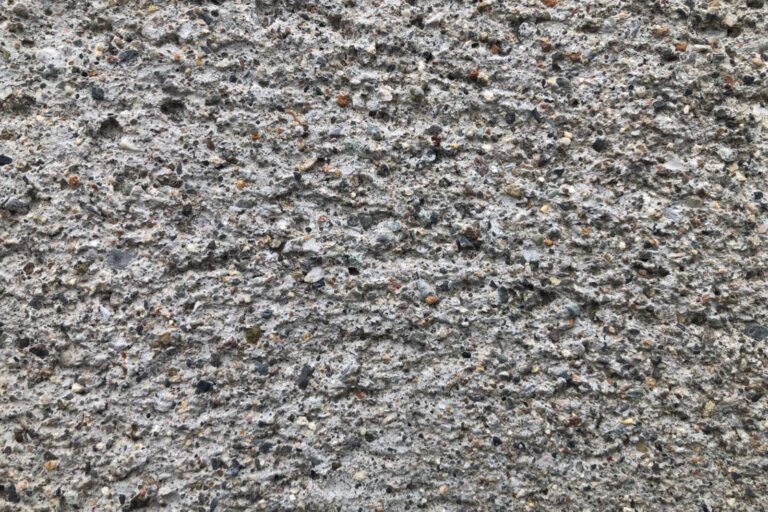
You’re patching a crumbling step, and the bag of mortar mix just won’t cooperate. It’s stiff, it crumbles off the trowel, and the edges won’t smooth out. Then you remember a video: a squirt of dish soap in the bucket, and suddenly the mix turns creamy and easy to spread.
This is not your fault. The hack is real in the sense that people use it, and it does change how a mix feels. But “easier to work” and “better repair” aren’t the same thing, and the people who make concrete products are clear about which one dish soap delivers.
What dish soap actually does in a mix
As Hunker explains, dish soap acts as an air entrainer, creating bubbles in the mix. Contractors also use it as a retardant and plasticizer, which slows hardening and makes the concrete flow more smoothly. That’s the smooth feel people notice.
The problem is the bubbles. Hunker’s Chris Deziel writes that they’re unevenly distributed and some are too large, which “makes the concrete weaker, not stronger.” Dish soap isn’t designed to interact with the chemicals in concrete, so it behaves unpredictably, and its fragrances, dyes and surfactants are an unknown for long-term freeze-thaw performance.
Fritz-Pak, which makes concrete admixtures, lists similar concerns: uneven air content, reduced compressive strength, workability that changes from one batch to the next, and bubbles that may not survive mixing, placement and curing. Its view comes from a company that sells the alternative, but it lines up with Hunker’s.
A better way to get a workable mix, step by step
- Start with a bagged mortar mix. For small patches, use the mix and follow the instructions printed on the bag.
- Measure the water. Quikrete’s data sheet for its Mortar Mix calls for about 5 quarts of clean water per 80-pound bag, and says the maximum should stay below 6 quarts.
- Mix long enough. The data sheet requires at least 5 minutes of mixing. Many stiff, crumbly mixes simply haven’t been mixed long enough.
- Do the trowel test. According to Quikrete, the right consistency is when a 1/2-inch layer of mortar won’t fall off your trowel held almost vertical.
- Keep it damp if needed. Quikrete says curing is only required in very hot, dry or windy conditions, with a gentle mist of water on the surface.
Plan B if you need a smoother mix: use a commercial admixture made for concrete. Hunker says those are formulated to be compatible with concrete chemistry, and your supplier can tell you which one fits your mix.
Limits and safety
Hunker mentions a tablespoon of dish soap per bag of ready-mix as the kind of dose people use, and says one YouTube test found blocks made with it seemed just as hard when hit with a hammer. But a hammer test isn’t a strength test, and Hunker concludes you’re probably better off with a commercial product. For a step, a load-bearing wall or anything that has to survive winter, skip the soap.
Cracks that keep widening, sinking steps or bulging walls are structural problems, not patch jobs, and need a mason or engineer. Wet cement is hard on skin and eyes, so wear gloves and eye protection while you mix and trowel.
Shortcuts in concrete always come with a tradeoff. These dry-poured pavers skip mixing entirely, and they’re weaker for it.
Right water, five full minutes of mixing, no soap. That’s the trick.