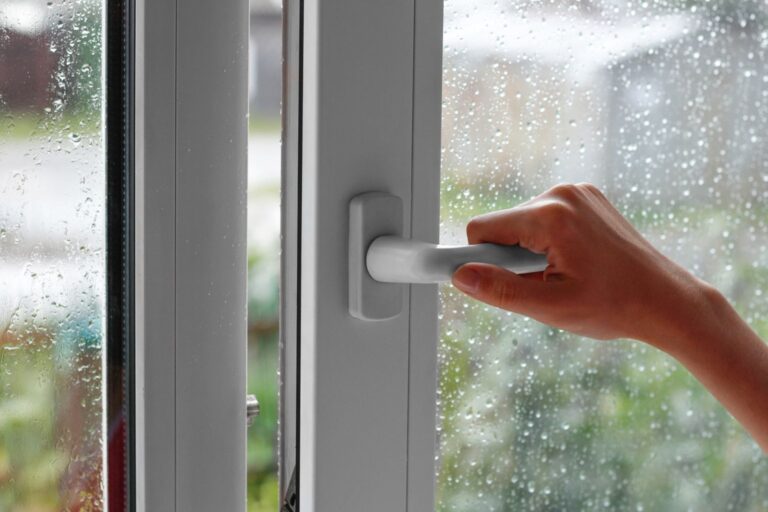
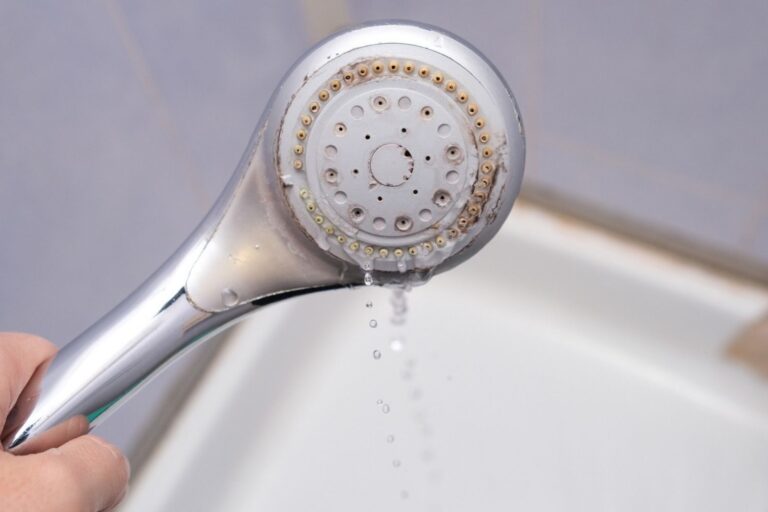
It’s a gray, rainy Sunday and the house has been shut tight all day. The windows are fogged, the kitchen still smells like last night’s dinner and the bathroom never quite dried out after the morning showers. Opening a window feels like a bad idea, since rain means damp, and damp is the last thing you want inside.
This is not your fault. Keeping windows closed in the rain is the natural instinct. But the right kind of rain can actually be a good moment to let fresh air in, as long as you know when to open up and when to keep things shut.
What rain does to the air, and why stale air builds up
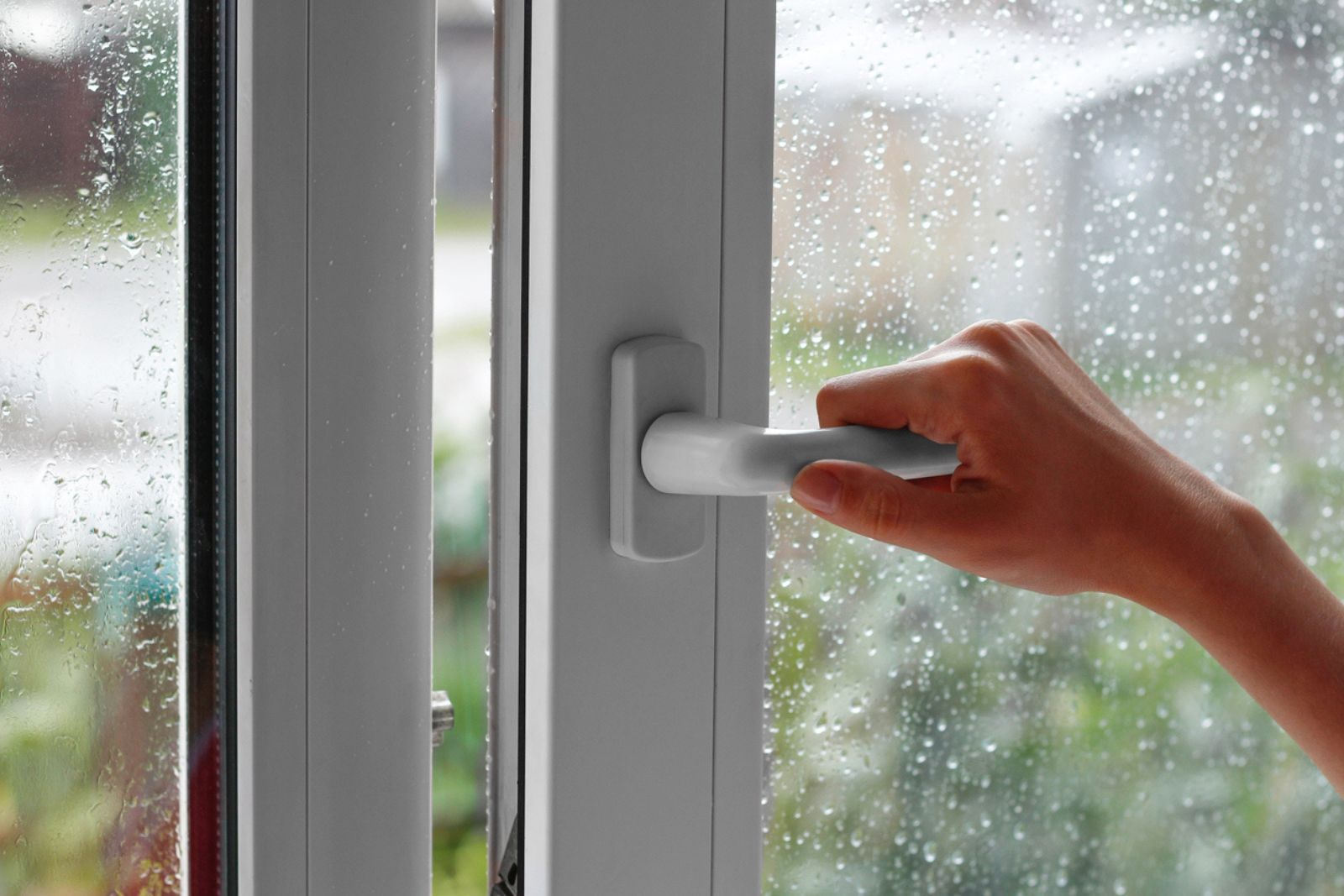
Rain changes what’s floating outside. According to the Asthma and Allergy Foundation of America, light, steady rain can wash pollen away and keep it from flying through the air, and the humidity afterward helps keep pollen down too.
Inside, the problem is the opposite: everything stays put. Cooking fumes, cleaning products and shower steam build up in a closed house. The EPA explains that ventilation helps remove or dilute airborne pollutants that come from indoor sources, and that opening windows and doors brings in outdoor air when the weather permits.
How to air out the house on a rainy day
- Pick the right rain. Light, steady rain is the time to open up. The AAFA says sudden, heavy downpours and thunderstorms can break pollen into smaller particles that scatter into the air.
- Open for 15 to 30 minutes. Micah Sherman, an HVAC expert for the home repair app Frontdoor, told House Digest that this is enough time to replace air affected by cooking fumes, chemicals or a humid shower.
- Create a cross breeze. Open windows on opposite sides of the house so air can move through instead of sitting in one room.
- Keep the water out. Open windows on the side away from the wind, and keep an eye on sills and floors so rain doesn’t get in.
- Check the humidity. The EPA says indoor relative humidity should stay below 60%, ideally between 30% and 50%. A cheap hygrometer tells you if the air is getting too damp.
Plan B if it’s pouring or the air is already muggy: keep the windows closed and run the bathroom and kitchen exhaust fans to clear steam and cooking smells instead.
When to keep the windows shut
This isn’t a rule for every climate or every day. Sherman notes that in very humid climates, opening windows during a rainstorm will only let more humidity into the home, and extra humidity can lead to mold. Healthline also points out that rain can increase mold both indoors and outdoors.
Allergies matter, too. Heavy storms can make pollen symptoms worse, so people with seasonal allergies or asthma should stick to light rain or skip it. House Digest also suggests checking your local air quality first, and keeping windows closed if it’s poor or pollen is high.
In the colder months, a short airing makes more sense than leaving windows open all afternoon, which can leave the house uncomfortably chilly. If damp towels are part of the smell problem, the fix may be in the laundry room: here’s what hygiene experts use instead of fabric softener.
Light rain, 15 to 30 minutes and an eye on the humidity. That’s the trick.