It looked like the smartest project of the summer. A clean band of white pebbles along the base of the house, and no more kneeling in the dirt to pull weeds against the siding. Then the first cold fall rain rolls through, and days later the bottom of the wall still looks dark. A gray line creeps up the stucco or brick just above the stones, and the baseboard on the other side of that wall starts to smell faintly musty.
This is not your fault. Rock looks like the driest thing you could put next to a house, and on its own it is: gravel does not soak up water the way wood mulch does. The trouble is almost never the pebbles themselves. It’s where they sit, how high they go and what lies underneath them.
Why a stone border can keep a wall wet
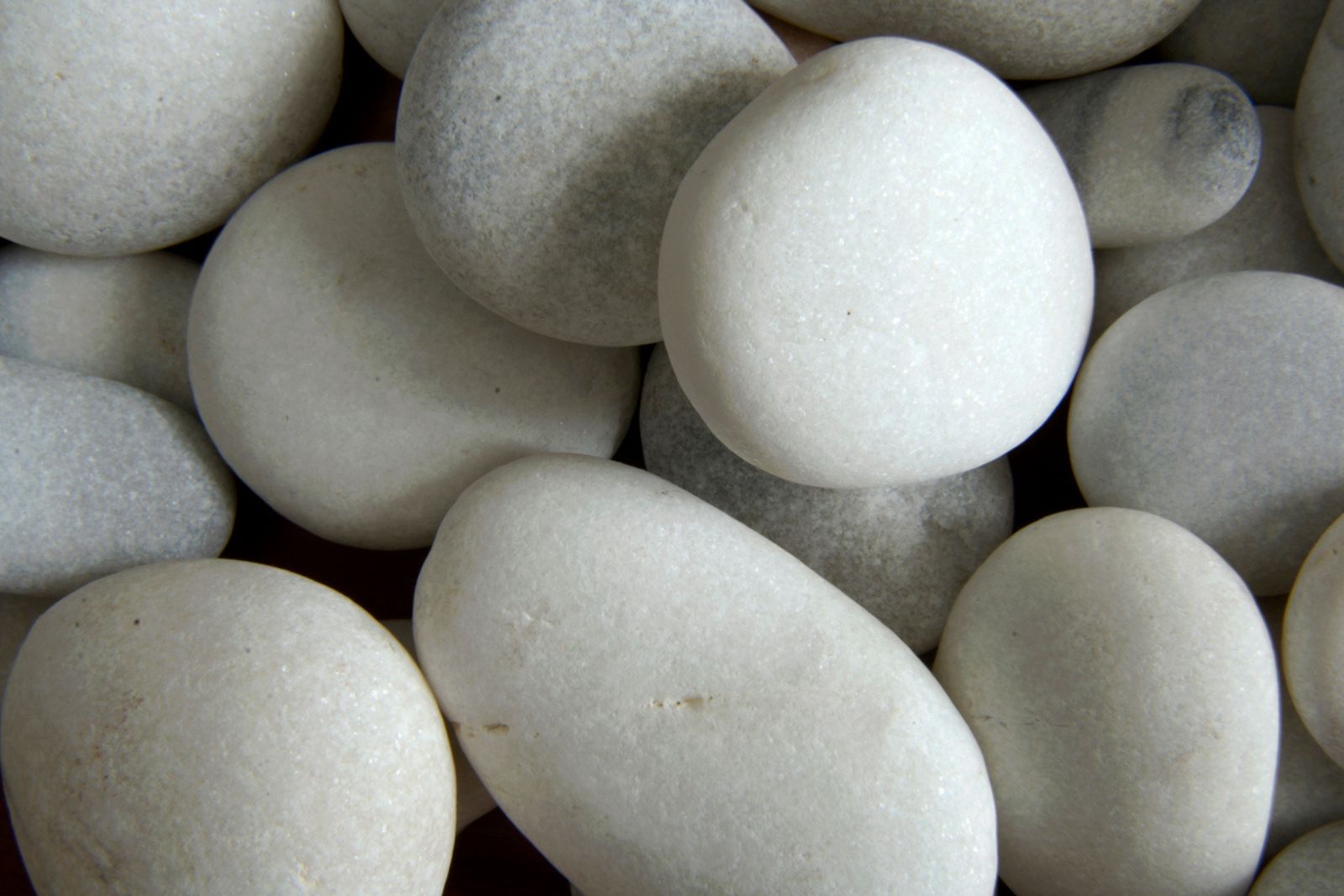
Masonry and concrete are full of tiny pores. When they touch damp ground, they pull water upward by capillary suction, the same way a paper towel drinks from a puddle. Building scientist Joseph Lstiburek of Building Science Corporation explains that pore size decides it: clean, coarse gravel has pores too large to wick water, while fine materials such as silty clay can. A pebble bed heaped against the wall, resting on soil packed with fines, keeps the base of that wall in steady contact with moisture. That’s the sponge.
The ground underneath can make it worse. A Hunker guide by Jacob J. Wright warns that if the soil under the stones is flat or tilts toward the house, gravel can act like a dam: runoff stalls and the soil surface dries more slowly. Small gravel that contains clay drains more slowly than clean, large stone.
Height matters too. Every layer of stone raises the ground line against the house. NC State Extension says siding should sit at least 6 inches above grade, preferably more, or you risk decay and termite tunnels that go unnoticed.
How to fix the border without giving up on stone
- Pull the pebbles back so the base of the wall is exposed again. Hunker’s advice is blunt: don’t pile rock against the foundation.
- Measure the clearance. Leave at least 6 inches between the top of the stone and the bottom of the siding. Without gutters, the Department of Energy’s Building America Solution Center pairs a wide roof overhang with at least 8 inches of siding clearance to limit splash damage.
- Check the slope with a level or a string line. Hunker puts the minimum at 6 inches of drop over the first 10 feet from the house. Rake the soil into that slope before any stone goes back.
- Keep the layer thin and clean. Hunker says 2 to 3 inches of gravel is enough, and that more can slow water down.
- Send roof water away. The same Building America gutter guide says downspouts should end at least 5 feet from the foundation.
Plan B: if the wall still looks dark a week after the stones come back from it, find out where the water is coming from. Taping foil over the damp patch on the inside of that wall tells you whether the moisture is coming through the wall or from the air in the room.
When it’s more than a landscaping fix
Before you dig, think about termite treatment. NC State Extension says never to dig up the soil within 12 inches of the house, because that band is where termite treatments were applied, or will be. Rake the stones away and leave the soil right against the wall alone.
Call a grading or drainage contractor if water still pools against the foundation after you reshape the slope. Mud tubes climbing the foundation are a job for a pest control pro. And if the baseboards inside stay damp through a dry week, the problem may be in the wall itself, not the yard.
The pebbles can stay. They just can’t bury the bottom of the wall. That’s the trick.