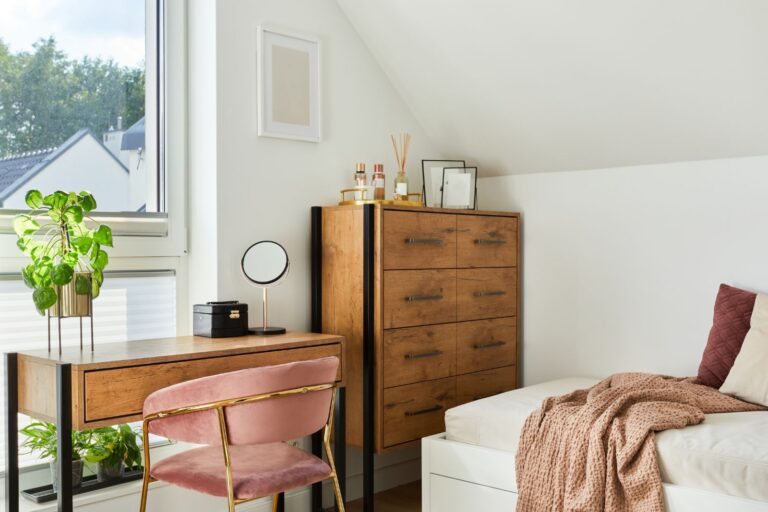
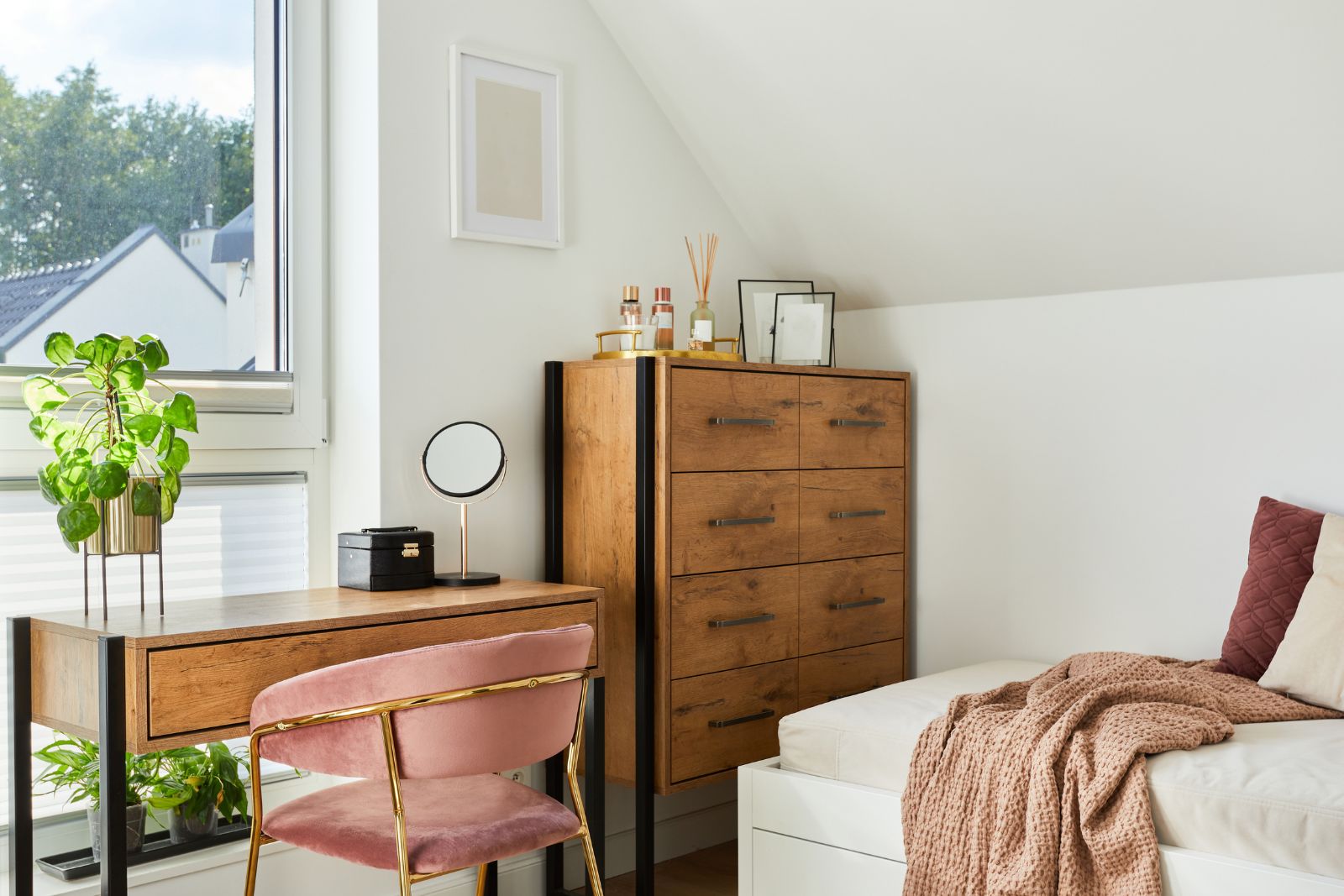
The guest room has a bed nobody sleeps in, a dresser full of spare sheets and a stack of boxes in the corner. It gets cleaned twice a year, before the in-laws visit, and the rest of the time the door stays closed. Meanwhile, you’re squeezing a yoga mat between the couch and the coffee table.
This is not your fault. The guest room was a standard part of the American home for a long time, and few people question it. But a growing number of people are asking who the room is really for, and the answer is changing.
What the numbers say
According to the 2026 Taskrabbit Trend Report, published in October and based on the platform’s booking and search trends for January to July 2026 compared with the same months in 2025, people are reworking spare rooms around their own routines:
- Podcast studios: up 90%
- Home gyms: up 59%
- Saunas: up 35%
- Craft rooms: up 33%
The report ties the shift to what it calls “the independent home.” Mentions of living alone are up 58% year over year, and handyman bookings are up 74%. Apartment Therapy, summing up the report, says the guest room still exists, but people are “converting spare square footage into something entirely for themselves.”
The reason is simple. A room used a few nights a year is expensive space to leave idle, especially for people who live alone and don’t host often. A gym or studio gets used every day.
How to rethink your own spare room
Start with how you’d actually use it. Track your week: if you work out at home three times, record calls or pile craft supplies on the dining table, that’s your answer. Then decide whether guests still need a place. A sleeper sofa or a daybed can keep a room ready for visitors without giving them the whole space.
Clear the room before buying anything. Measure the empty space, note where the outlets and windows are, and plan the layout around them. If the old guest bed goes, that’s often the single biggest gain in floor space.
Plan B if you’re not ready to give up the bed: split the room. A desk and a ring light in one corner can make a podcast nook, and a rack with a mat can turn a wall into a small gym.
What to know before you convert
Keep the numbers in perspective. As Apartment Therapy points out, the report covers only people who used Taskrabbit, so it may not represent all renters or homeowners. The percentages show growth in requests, not how many homes have actually made the switch.
Some conversions need more than furniture. A home sauna usually needs dedicated electrical work, so hire a licensed electrician and check the manufacturer’s requirements and local permits. Heavy gym equipment can be hard on floors, so use protective mats and check with a pro before loading an upper floor with heavy weights. Renters should get the landlord’s OK for anything that changes wiring or walls.
A home office can share space too: these living room office designs handle work and downtime in the same room.
Ask who the room is for, then build it around that. That’s the trick.