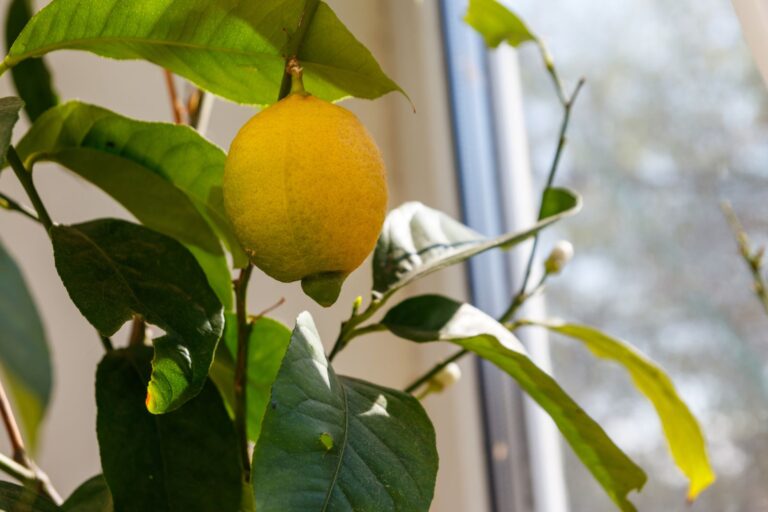
Your potted lemon tree spent the summer on the patio and came inside before the cold. By late winter, it’s covered in white blossoms and the whole room smells like citrus. A few weeks later, the petals are on the floor, and there isn’t a single tiny lemon anywhere on the branches.
This is not your fault. Outdoors, bees and other insects carry pollen from flower to flower without you ever noticing. Indoors, nobody is doing that job, unless you step in with a small paintbrush.
Why indoor flowers don’t turn into lemons
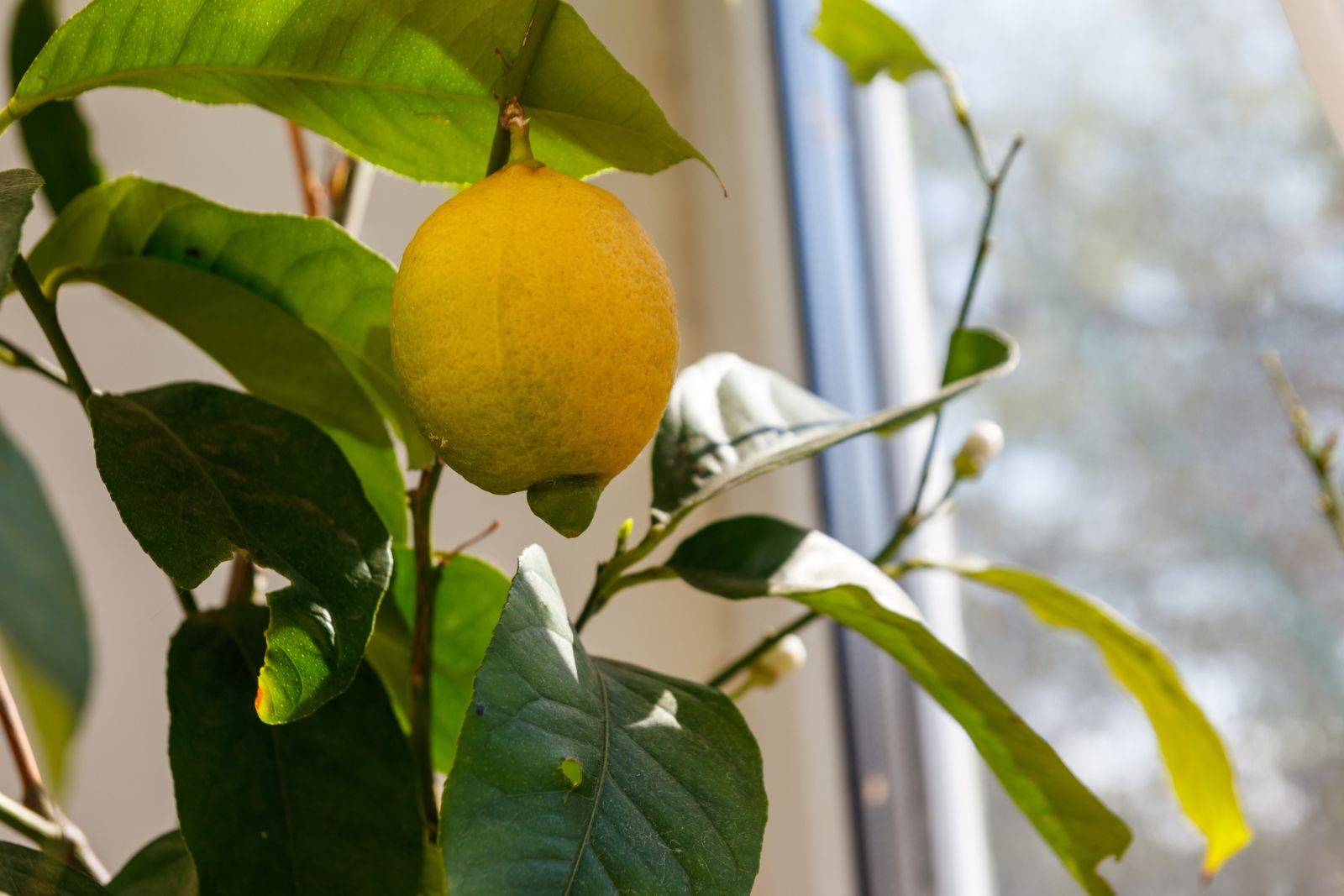
As Illinois Extension explains, indoor plants lack pollinators, so you can pollinate the blooms by hand using a small paintbrush or cotton swab. Iowa State University Extension adds that some citrus won’t set fruit without help, and that if a plant blooms but doesn’t set fruit, transferring pollen by hand is the fix.
Flowers come first, though. Iowa State says a lack of flowers is typically caused by too little light or nutrients, and that indoor citrus may bloom in late winter or early spring. The care you give it this fall sets up that bloom.
Indoor lemon care, step by step
- Bring it in on time. Illinois Extension says to move citrus back inside before temperatures drop into the 40s°F. Iowa State uses nighttime temperatures below 50°F as the signal.
- Give it real sun. Iowa State recommends roughly 6 to 8 hours of direct light, usually from a south- or west-facing window, with supplemental lighting if needed. Illinois Extension says 8 to 12 hours is ideal if you want fruit.
- Keep nights cooler than days. Iowa State’s range is 65 to 85°F during the day and 55 to 65°F at night. Blooming needs a day-to-night drop of about 5 to 10 degrees, and temperatures below 50°F can cause leaf loss.
- Water with care. Let the top of the soil dry out between waterings, Illinois Extension says. Iowa State warns that overwatering rots roots and underwatering causes leaf drop.
- Add humidity. Both extensions recommend a humidifier near the plant, because winter air indoors is usually too dry for citrus.
- Brush the flowers. When blossoms open, touch a small, clean paintbrush to the center of one flower, then the next, moving pollen between them. Repeat over several days as new flowers open.
Plan B if you don’t have a paintbrush: Iowa State says a cotton swab works too, and you can also shake the plant or gently flick the flowers when the pollen is ripe. A fan that moves the flowers can help as well.
Be patient, and watch for pests
Pollination is only the start. According to Iowa State, fruit often takes 6 to 9 months to mature indoors. Illinois Extension notes that sudden temperature changes can cause fruit to drop, so keep the tree away from drafty doors and heat vents.
Check the leaves often. Iowa State lists spider mites, whiteflies and scale as common pests indoors. If you need to treat them, use only insecticides labeled for edible fruit plants, and follow the label directions, including the pre-harvest interval.
Light is the factor most people underestimate. A lemon tree in a dim corner may stay green without ever flowering, and no paintbrush can fix that. Plenty of food plants need this much sun: eggplants also want about 6 to 8 hours of direct light, even when they’re grown in repurposed bottle containers.
Sun, cool nights and a small brush from flower to flower. That’s the trick.