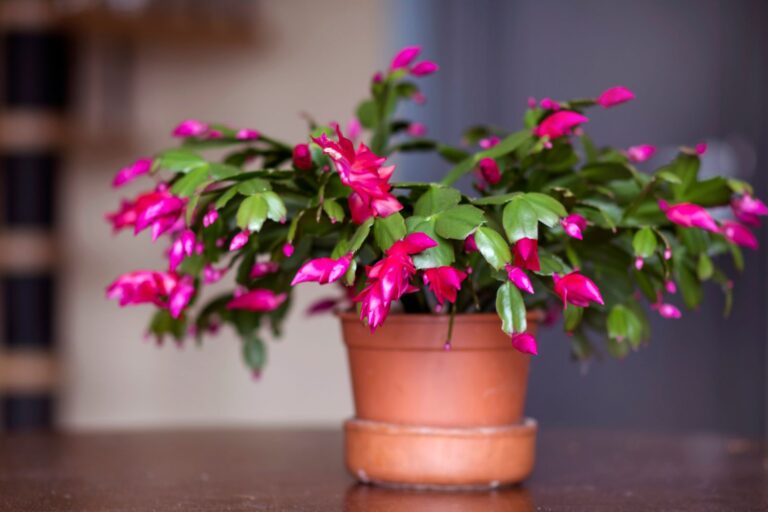
Last December it was covered in pink blooms. This year, it’s mid-November and your Christmas cactus is all green segments and no buds. It sits in the living room, next to the lamp that stays on until midnight, healthy-looking and completely uninterested in flowering.
This is not your fault. The plant isn’t sick, and you didn’t water it wrong. It’s waiting for a signal that a bright, warm living room never sends: long, dark nights.
Why it won’t bloom in a bright, warm room
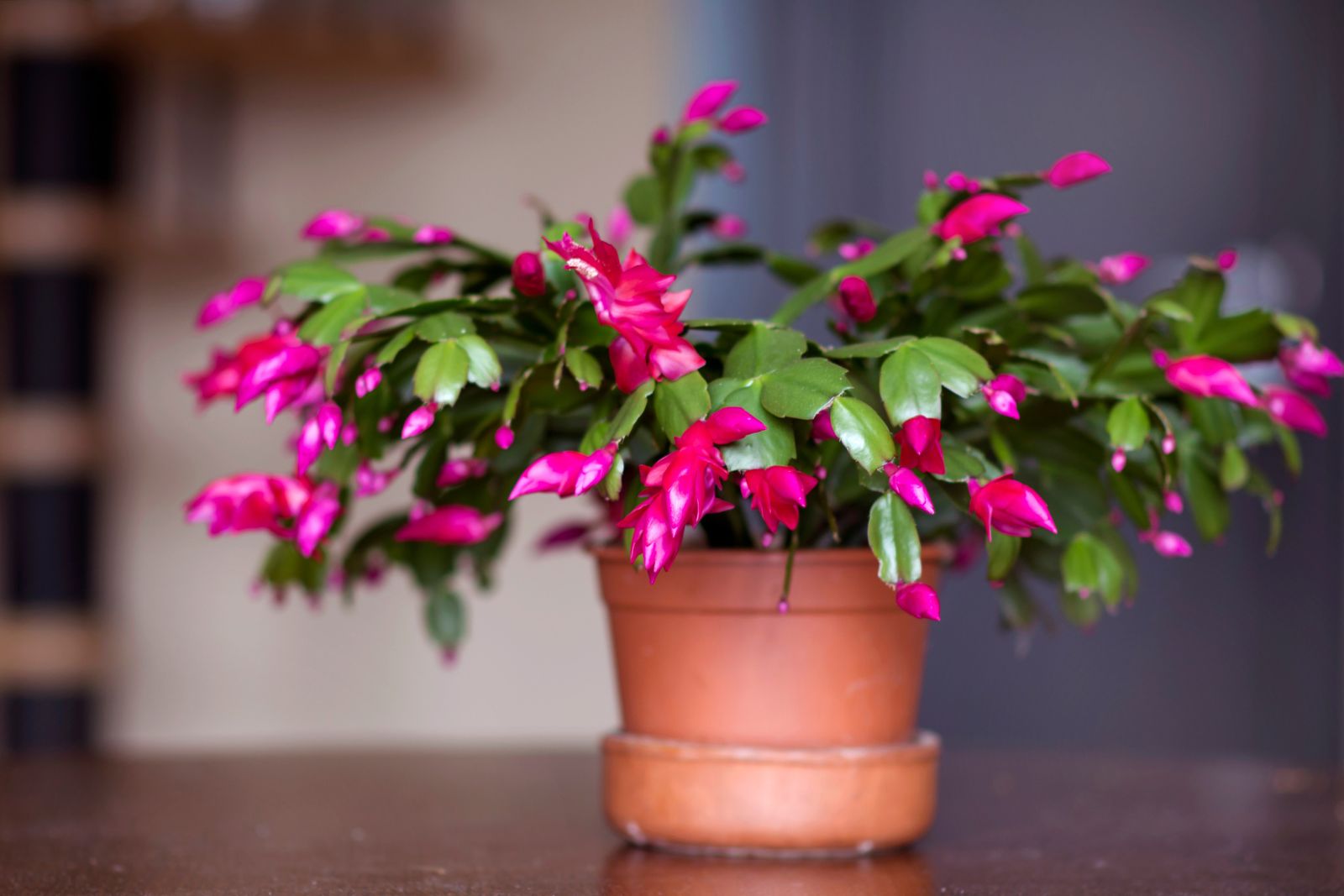
Holiday cacti set their flower buds in response to the length of the night. According to Purdue Extension, they will bloom if given long, uninterrupted dark periods, about 12 hours each night. A lamp switched on in the evening breaks that dark period, so the plant never gets the cue.
There’s a second route. Purdue horticulturist Rosie Lerner explains that holiday cacti will also bloom if they are kept at cool temperatures of about 50 to 55°F. Either long nights or cool nights can do the job.
How to give it the dark, step by step
- Check which cactus you have. A Christmas cactus has scalloped stem segments. A Thanksgiving cactus has two to four pointed teeth along the edges and blooms earlier in the season.
- Give it 12 hours of darkness. Purdue suggests placing the plant in a dark closet from about 8 p.m. to 8 a.m. every night for six to eight weeks, or until buds form.
- Or keep it cool instead. A spot that stays around 50 to 55°F, like a cool spare room, can replace the closet. For holiday blooms with the cool method, Purdue says to start by early November.
- Water when the top inch is dry. Water thoroughly once the top inch or so of soil feels dry. Letting the plant dry out can cause buds to drop and stems to wilt.
- Keep it away from heat. Heat vents, fireplaces and other sources of hot air are bad neighbors, and drafts or temperature extremes can make buds drop before they open.
Plan B if you’re starting late: Purdue recommends beginning the dark treatment around mid-October for full bloom by the holidays. If you start now, the plant can still bloom, it may just open closer to or after Christmas.
What can still go wrong
Bud drop is the most common disappointment. Once buds appear, the biggest risks are the ones Purdue lists: soil that dries out completely, drafts and sudden swings in temperature. A move from a cold porch to a spot above a radiator is exactly the kind of extreme to avoid.
Light still matters during the day. Purdue says plants kept in a sunny indoor spot produce more blooms. Outdoors in summer, too much direct sun can burn the leaves, so shade or partial shade works better.
If your plant has the pointed teeth of a Thanksgiving cactus, it may already be blooming or close to it. That’s normal, not a failure. And skip the kitchen-scrap remedies: horticulturists aren’t convinced by banana peel plant food either.
Twelve hours of dark, cool nights and steady water. That’s the trick.