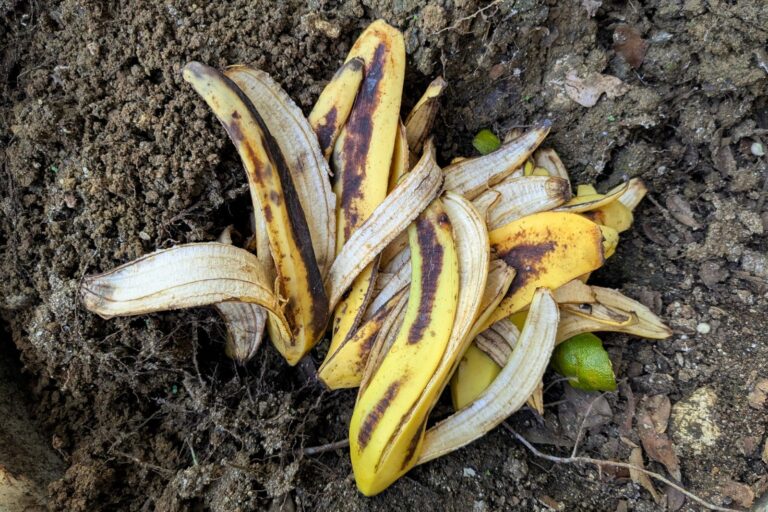
The jar has been on the counter for three days: banana peels soaking in water, turning brown and cloudy, waiting to be poured on the tomatoes or the struggling houseplant by the window. It feels thrifty and natural. Weeks later, the plants look exactly the same, and you’re not sure whether to keep going or toss the jar.
This is not your fault. The idea starts from something true, and it sounds like it should work. But the horticulturists who answer gardeners’ questions at University of Maryland Extension have a much simpler answer for what to do with those peels.
What’s true, and what isn’t
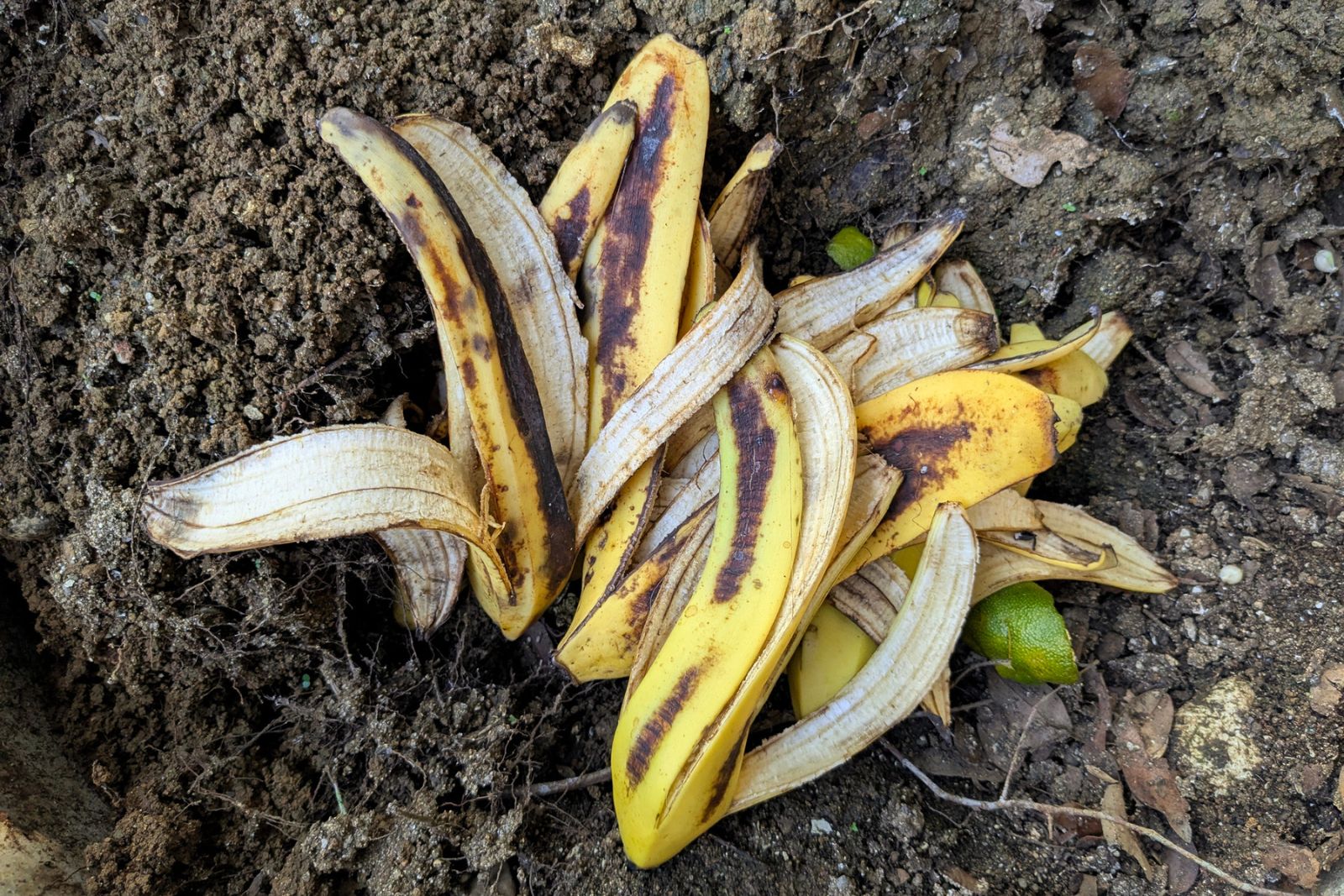
The true part: banana peels are high in potassium. Asked whether science supports banana peel tea, the Maryland Home and Garden Information Center, staffed by certified professional horticulturists, replied: “We don’t know of any scientific studies on using banana peels as a fertilizer.” It added that a banana peel fertilizer would be a waste if the soil already has enough plant-available potassium.
The soaking step is where the idea falls apart. In a later answer about banana water, the same center said it is not aware of any research supporting it, and noted that food scraps release only very small amounts of nutrients, potassium included. Its conclusion: the nutrients from food scraps alone are probably not enough to fertilize your plants. Asked whether banana water could help plants through a heat wave, it was blunt: “The potassium in the banana water will not make your plants more drought-tolerant.”
Burying whole peels has its own catch. A garden column published by University of California Agriculture and Natural Resources points out that breaking down a peel uses up nitrogen, leaving less available for green growth.
The better use for your peels
- Test your soil first. Maryland’s horticulturists suggest a soil test for baseline pH, nutrient and organic matter levels, and say fertilizing should be based on the results. Clemson Extension’s method: collect 8 to 10 samples from the surface down to 6 inches in gardens, or 2 to 4 inches for lawns, mix them in a plastic bucket and bag 2 cups of the mixed soil.
- Compost the peels. This is Maryland’s first recommendation. Composting food scraps yields more nutrients more efficiently than soaking them.
- Top-dress with the finished compost. The UC column suggests composting peels and spreading the compost around plants, instead of burying raw peels.
- Water deeply in hot spells. For heat waves, Maryland’s advice is to water plants regularly and deeply during hot, dry weather, not to reach for banana water.
- Fertilize only what the test calls for. If your soil already has enough potassium, adding more from banana peels would be a waste, as Maryland’s horticulturists put it.
Plan B if you don’t have a compost pile: Maryland’s horticulturists say chopping food scraps and burying them in empty spots of the garden, or between widely spaced plants, also beats soaking them. Just keep in mind the UC column’s point that buried peels borrow some nitrogen as they break down, so compost remains the better route.
Where banana peels fall short
Even used the better way, peels are a small contribution, not a complete fertilizer. Maryland’s horticulturists say food scraps alone probably won’t supply enough nutrients, so a soil test and, if needed, a fertilizer chosen from its results is a more reliable guide than any kitchen scrap.
That gap in research matters. The Maryland center knows of no studies on banana peel fertilizer, so any big benefit you read about online is unproven. If a plant is struggling, look at water, light and soil first, and ask your local extension office if the problem persists.
Compost the peel, test the soil, water deeply. That’s the trick.