Every summer goes the same way. You price out an in-ground pool, choke on the estimate, and end up with an inflatable one that sags, leaks at a seam by August and goes in the trash. Meanwhile, the patio sits there, hot and empty.
This is not your fault. The choice usually looks like a $50 pool that won’t last or a backyard construction project that costs as much as a car. One couple found a middle option made from the most basic building material there is.
Why concrete blocks work where flimsy pools fail
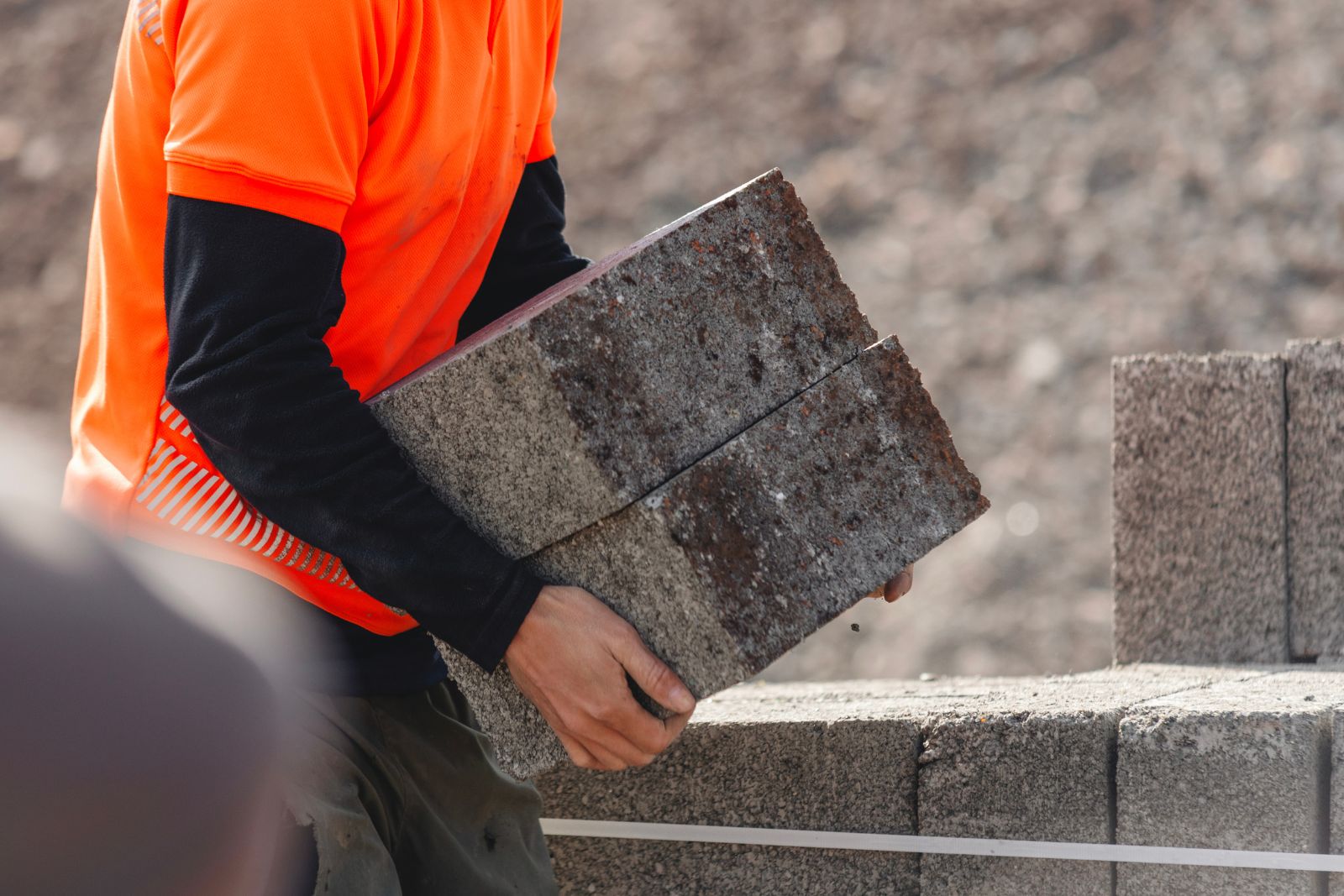
As House Digest reported, Max and Maria of the YouTube channel Confused But Excited built a small plunge pool on their existing patio in Kenya. They spent around 52,960 Kenyan shillings, or about $466. For comparison, the article cites Angi’s average cost of around $66,000 for an in-ground pool.
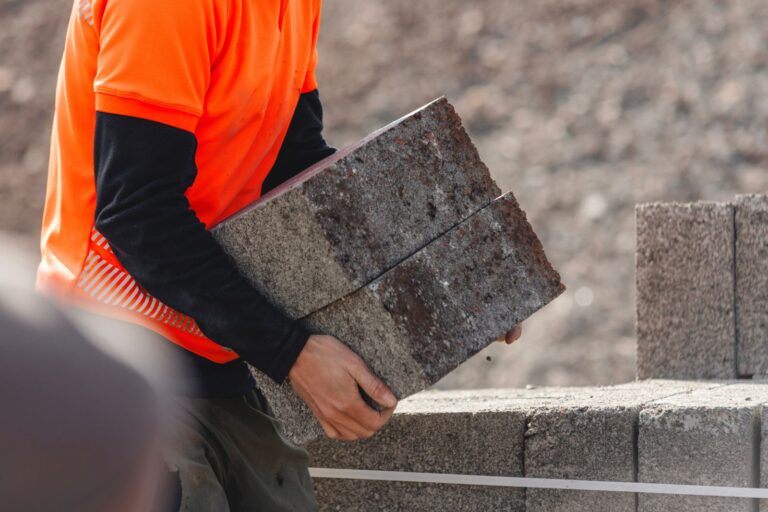
The key difference is the structure. Instead of a vinyl wall held up by a frame, the walls are concrete blocks reinforced with rebar and filled with concrete. House Digest notes that a solid block structure shouldn’t deteriorate as quickly as a typical above-ground frame. In an update posted more than a year after the build, Max said: “It hasn’t leaked. It hasn’t given us any problems.”
How they built it, step by step
- Lay the outline. According to Hunker’s account of the same project, the first row of blocks goes down with the holes facing up, tracing the shape of the pool.
- Add rebar and mortar. Rebar cut to wall height stands in the blocks, and mortar (three parts sand to one part cement) fills them to hold the rods upright.
- Pour the floor and stack the walls. Concrete goes in the center for the floor, then the walls rise row by row, with concrete poured around the rods as they go. Leave small openings in the top row for pump pipes.
- Waterproof in three coats. Working with a local builder, they plastered the inside with waterproof cement mixed with sand, using less sand in each of three coats until the last was just cement and water. Max called this the stage “to make sure that you don’t have any cracks or leaks.”
- Paint and plumb. Once dry, they rolled on several layers of white chlorinated rubber paint, a couple of gallons in all, then added a pump and a drain with a valve.
Plan B if a full build is too much: start smaller, with fewer rows of blocks for a shallow soaking pool, and confirm your patio slab can carry the weight before you commit.
What to check before you copy it
The $466 price reflects material and labor costs in Kenya, so expect a different total at a US home improvement store. And while Hunker calls the project fairly labor intensive, it’s still a lot of heavy lifting.
Permits come first. House Digest advises factoring in any building permits and regulations that apply in your area, so call your local building department before you buy a single block. Water is heavy, too, so if you’re building on an existing patio, have a contractor or engineer confirm the slab can handle it.
The couple skipped a filter and chlorine because their borehole water is salty. Most backyard pools need a pump, filtration and a sanitizer; Hunker’s version of the build uses a pump and a floating chlorine dispenser.
Safety isn’t optional. Pool Safely, a federal campaign, says a fence of at least four feet should surround a pool on all sides, with a self-closing, self-latching gate. Never leave children unattended near water, designate an adult Water Watcher, and never enter a pool with a loose, broken or missing drain cover.
If concrete projects appeal to you, here’s a smaller one: a garden path that looks like cobblestone made with milk jugs.
Blocks, rebar, three coats of cement and a fence. That’s the trick.