The dryer buzzes, you open the door, and the fleece blanket crackles in your hands. A sock is welded to the back of a sweater, your hair lifts when you fold the towels, and the first doorknob you touch gives you a little shock. Every winter it’s the same.
This is not your fault. Clothes tumbling in hot, dry air rub against each other and build up static, and winter laundry gives them every chance to do it. That’s why a cheap trick keeps coming back: instead of a dryer sheet, you toss two or three balls of crumpled aluminum foil in with the load. It sounds odd, but there’s a real idea behind it, and a few honest limits.
Why the foil is supposed to work
Rechelle Balanzat, a laundry expert and the founder of the New York laundry service Juliette, explained the logic to Homes & Gardens: “As your clothes tumble and rub together, they create static, and the foil helps discharge some of that electricity.”
The idea is simple: aluminum conducts electricity, so as the balls bounce around the drum, they give some of that charge a place to go. And a roll of foil costs a couple of dollars.
Balanzat is also careful about what the balls can’t do. She sees them “more as a simple static-reducing hack, rather than a replacement for dryer balls.” As Homes & Gardens notes, dryer balls separate the clothes, improve airflow and can shorten drying time. Foil balls don’t really do that job.
What happens when people actually test it
The results are more modest than the viral videos suggest. When Danielle Centoni tested three baseball-size foil balls for The Kitchn, a load of microfiber towels came out looking no different from a load dried without them. Fleece blankets and fuzzy pajamas gave inconclusive results. Her verdict on the foil: “it’s just not super effective or obvious.”
The appliance side is cautious too. Michelle Feng, a marketing manager at Hisense, told Tom’s Guide that the static claim makes more sense in a dryer than in a washer, but that there is little evidence the foil balls actually reduce static. She also advised against putting foil in the washing machine as a routine, because pieces can end up in the filter or the drain system.
So the honest answer: foil balls may take the edge off static on some loads, but they’re not magic.
How to try it, and what works better
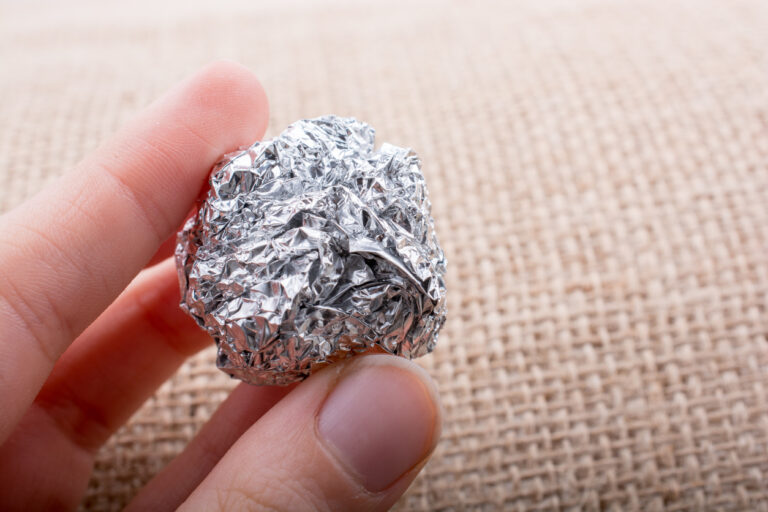
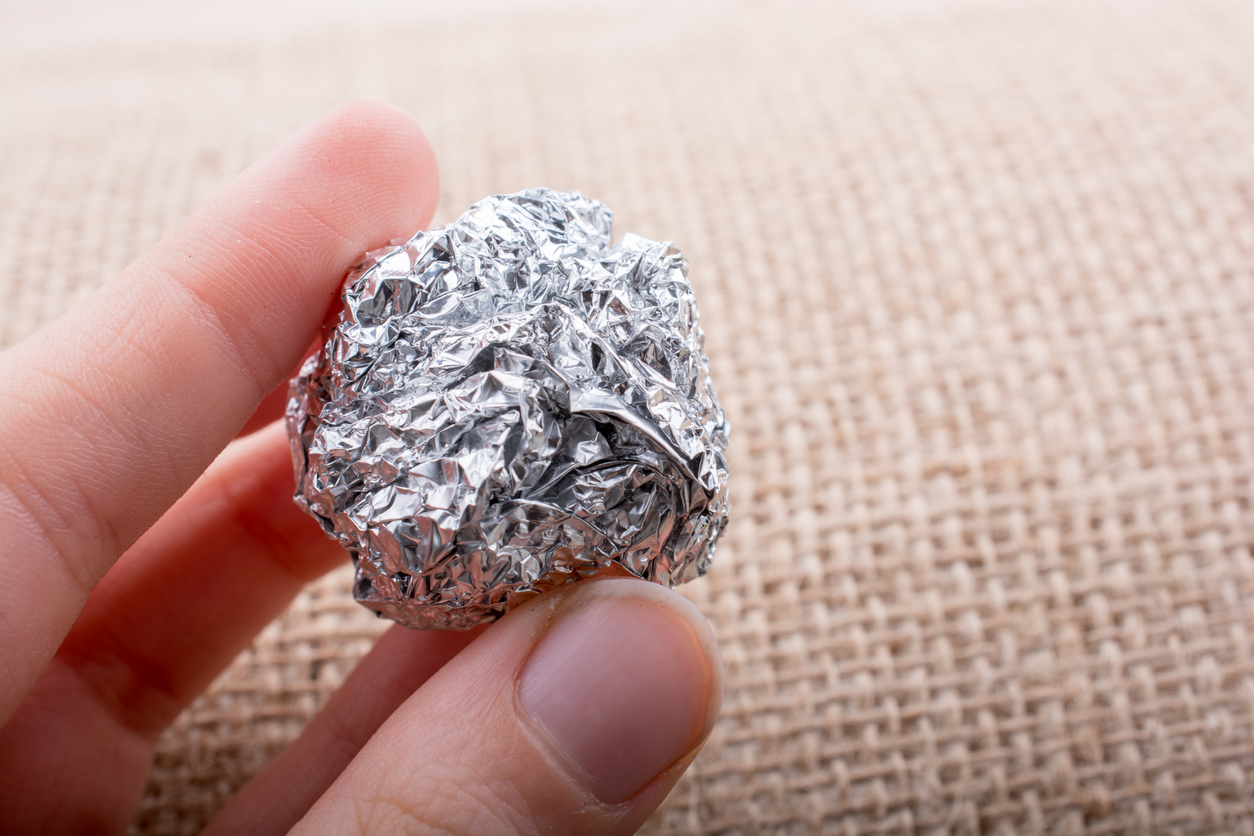
- Tear off a few sheets of foil and squeeze them into two or three firm, smooth balls. Centoni’s were about the size of a baseball.
- Toss them into the dryer with the load and run your usual cycle.
- Keep them in the dryer only. Don’t put foil in the washing machine.
- Reuse them load after load. As Balanzat puts it, “You can reuse them until they start to fall apart or get too rough.”
- Take the clothes out before they’re bone dry. In Centoni’s tests, pulling items out a little early did more against static than the foil did.
Plan B: if the crackle survives, use wool or rubber dryer balls for the airflow, and keep the foil as a backup for the loads that cling the most.
Check the balls before each load and throw them out once they start to flake, so no bits of foil end up in the drum or on your clothes. And if your washer has picked up a smell this winter, don’t reach for the vinegar either: washer makers say to stop pouring it into the drum.
Two foil balls won’t replace a good dryer routine, but for a couple of dollars, they’re worth a try on your next fleece load. That’s the trick.