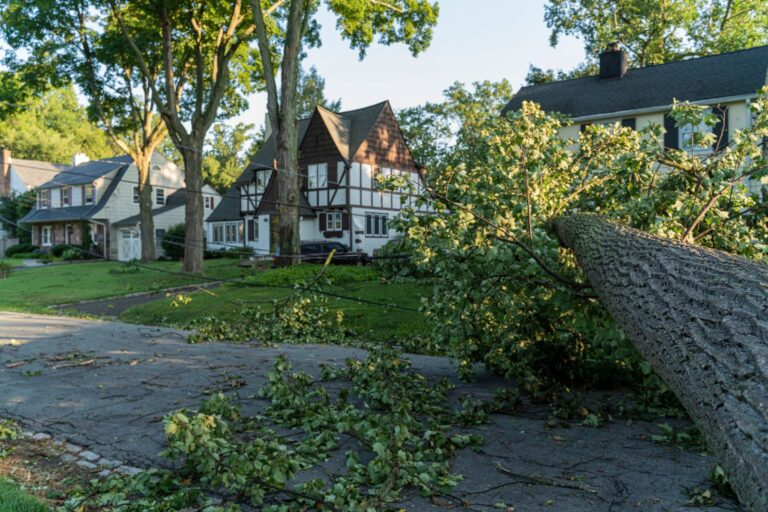
The storm hits after midnight. There’s a crack, a thud, and in the morning the big oak from next door is lying across your roof. Your neighbor comes over, apologizes, and you both assume the same thing: their tree, so their insurance pays. Then you call around and hear something you didn’t expect.
This is not your fault. Blaming the tree’s owner feels like plain common sense. But homeowners insurance generally follows the damaged property, not the tree, and knowing that from the start makes the claim go faster.
Why your own policy pays first
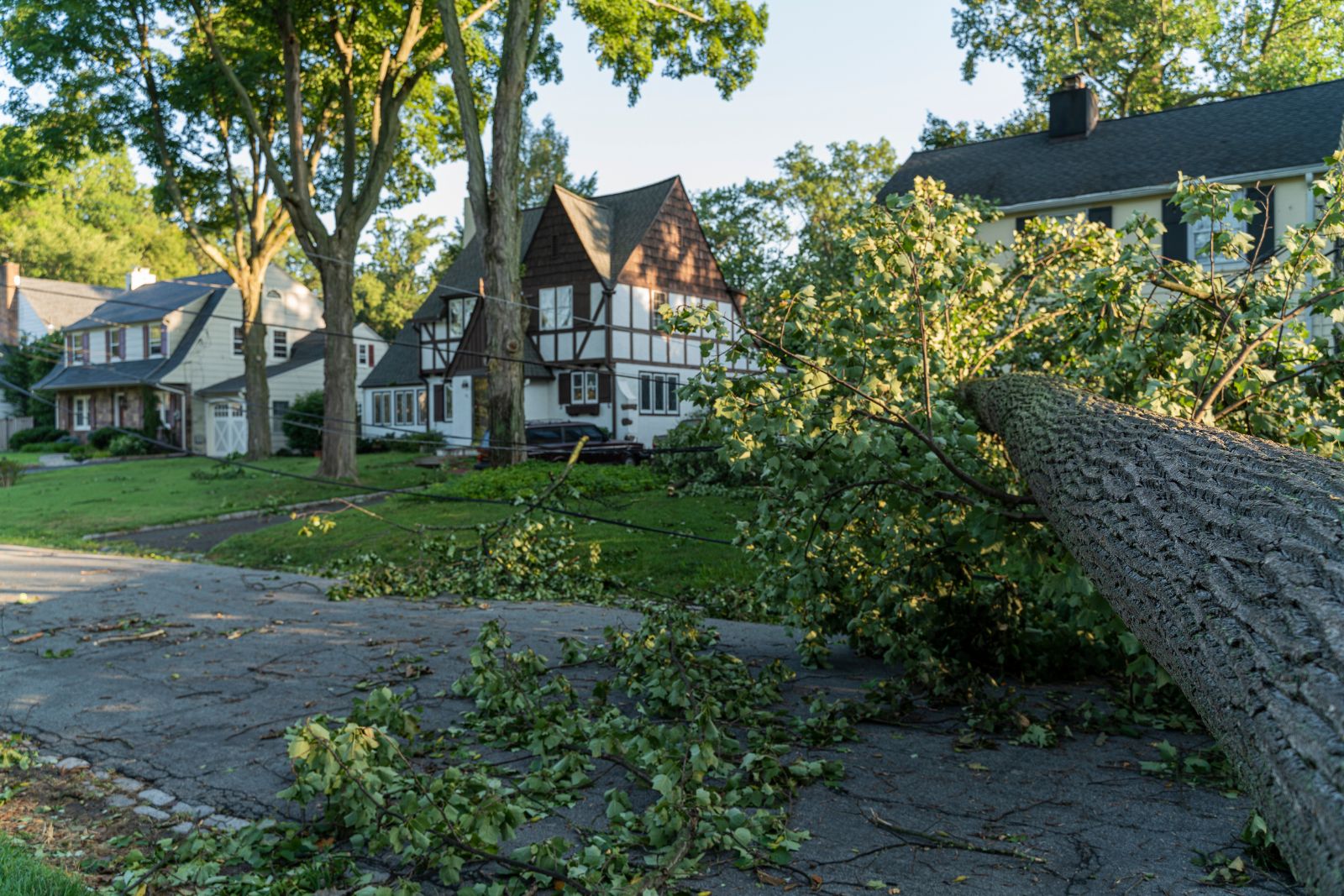
The Maryland Insurance Administration explains that your own homeowners policy may cover damage to your home and its contents no matter whose tree it was. Consumer Reports gives the same advice: file the claim with your own insurer, which may pay for repairs and debris removal, minus your deductible. As independent insurance agent Gary Blackwell told the magazine, “If the neighbor’s tree falls on your house, it’s your problem.”
Your neighbor can still end up paying, just not directly. According to the Maryland Insurance Administration, if the neighbor’s tree was dead and the neighbor knew it was dead, your insurer may seek reimbursement from them. That process is called subrogation. Consumer Reports adds that your neighbor isn’t legally required to cover your deductible, but if your insurer recovers its costs that way, you may get your deductible back.
What to do after the tree comes down
- Get safe first. Stay out of damaged rooms, keep everyone well away from any downed lines, and call your utility about them.
- Photograph everything. The Maryland Insurance Administration says to take pictures of all damaged property before any debris is removed, since your policy will likely require proof of loss.
- Call your insurer and read your policy. Confirm what it covers, what your deductible is and which temporary repairs it will pay for. Keep every receipt.
- Tell your insurer what you know about the tree. If the tree was visibly dead and your neighbor had been told, share your photos, emails or letters. That’s the information your insurer needs to pursue the neighbor.
- Ask about removal limits. Many policies pay usually between $500 and $1,000 to remove a tree, the Maryland Insurance Administration says, and that amount is typically based on the event, not the number of trees that fall.
Plan B, before a storm: if a neighbor’s tree looks dead or diseased, tell them in writing and keep a copy. If the tree later falls, that note can help show the neighbor knew.
The limits of your coverage
Removal isn’t always covered. Consumer Reports notes that if a fallen tree damages nothing, you may have to pay for removal and cleanup yourself, though some insurers make exceptions, for example when a tree blocks a driveway. The Maryland Insurance Administration says some policies cover removal even when the tree just falls in your yard, so check yours.
Your car is a separate matter. Damage to a car from a falling tree is generally not covered by homeowners insurance, according to the Maryland Insurance Administration, but comprehensive auto coverage may apply. The trees and shrubs themselves are covered only in limited cases, such as fire, lightning or vandalism, and generally not for wind, snow or ice damage.
Policies and state rules vary, so this is general information, not legal or insurance advice. Your agent can tell you exactly what your policy says. Property lines can be surprisingly blurry in other spots, too, like the grass strip by the curb.
Photos first, your own insurer second, and let subrogation chase the neighbor. That’s the trick.