You finish the front lawn, park the mower, and look at the narrow band of grass between the sidewalk and the street. It’s shaggy, full of dandelions, and technically, you’ve always heard, city property. So you leave it. Two weeks later, a notice from code enforcement is tucked in the mailbox.
This is not your fault. The rule sounds backward: land that may not even be on your lot, and still your job to mow. But in many towns, both halves of that sentence are true at the same time.
Why the strip can be public and still your job
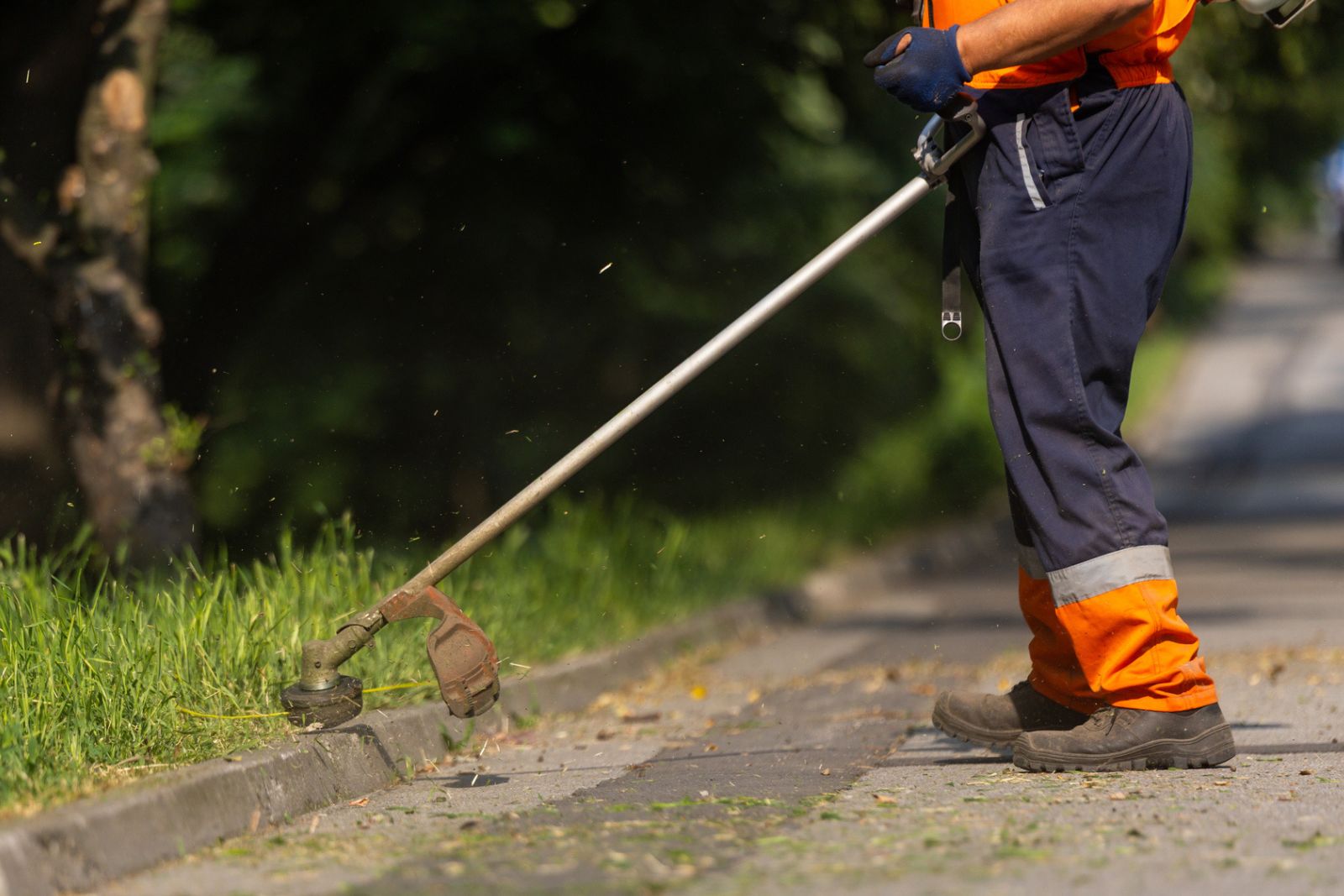
That strip goes by many names, including park strip, parkway and tree lawn, and it usually sits inside the public right-of-way. Ogden, Utah, describes its right-of-way as an area dedicated to the city that includes streets, curb and gutter, park strips and sidewalks, and notes that the front property line is “usually 6-12 inches behind the back of the sidewalk.” Chanhassen, Minnesota, says the strip between the street and your yard is actually owned by the city.
Ownership and upkeep are two separate questions, though. Ogden still requires residents to keep the park strip next to their property neat and orderly. Brookhaven, Georgia, is even more direct: the city does not mow grass in public rights-of-way, and its policy lists the grass strip between sidewalk and curb as the homeowner’s responsibility.
Is that legal? David M. Lawrence of the UNC School of Government looked at the question for North Carolina cities. He noted that the strip is normally part of the street easement, then drew on old sidewalk snow-removal cases, where courts said owners next to a sidewalk have a special interest in it and are best placed to do the work promptly. His conclusion: “I’ve concluded that such an ordinance is valid.” He called such rules an appropriate and reasonable exercise of a city’s police power.
How to check the rule where you live
- Find your property line. In many newer subdivisions in Ogden, a survey nail sits in the back of the curb. On older lots, only a licensed professional surveyor can determine the line for sure.
- Search your municipal code. Many cities post their code online. Try every local name for the strip: parkway, park strip, tree lawn, planting strip, right-of-way, plus “weeds” or “grass height.”
- Read the public works policy. It often splits the jobs. In Brookhaven, the city repairs sidewalks and maintains curb and gutter, but owners handle the grass.
- Ask before touching a tree. Trees in the right-of-way can be the city’s call. Brookhaven, for example, removes dead or hazardous trees once its city arborist confirms them.
- Call and keep it in writing. Public works or the engineering division can tell you where the right-of-way ends. Ask for the answer by email so you have it on record.
Plan B if the code is silent: treat the strip like the rest of your front yard, mowing it on the same schedule, until the city tells you otherwise.
What this doesn’t settle
Lawrence’s analysis is about North Carolina, and he wrote that he couldn’t find any court cases directly involving a grassy strip ordinance, so his reasoning borrows from snow and ice rulings. Those same rulings carry a useful limit: in a 1913 North Carolina case, the court held that such an ordinance does not shift the city’s liability for icy sidewalks onto the owner, although an owner who creates a hazard can be liable.
Rules, fines and deadlines vary from one city to the next, so the only answer that counts is your local code. This article is general information, not legal advice. For a dispute or a citation, talk to your city or a local attorney.
Check the code, mow the strip, and get the city’s answer in writing. That’s the trick.