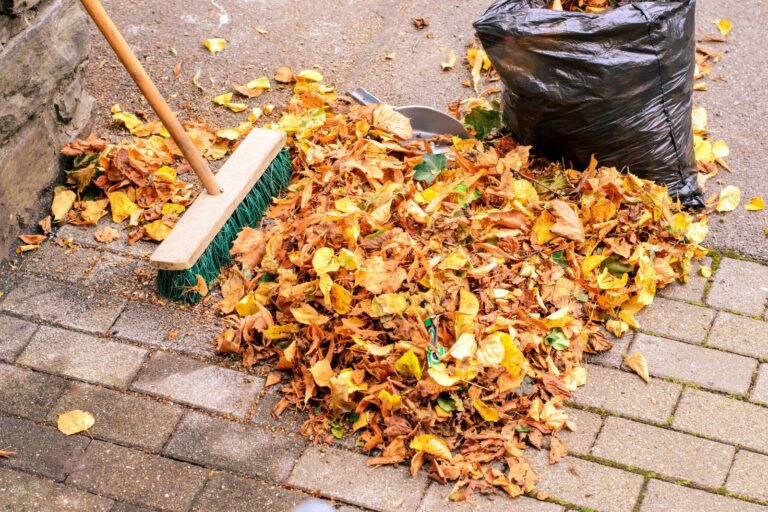
It’s the third Saturday in a row. You rake the front lawn, fill a stack of yard bags and finally see grass again. By Monday morning, it’s covered in leaves from the big maple next door, while your neighbor’s own yard looks oddly tidy. You start drafting a note in your head.
This is not your fault, and the frustration is real. But the answer to who has to rake those leaves isn’t the one most people expect, and knowing it can save you from an argument you’d probably lose.
Why the leaves are usually yours to rake
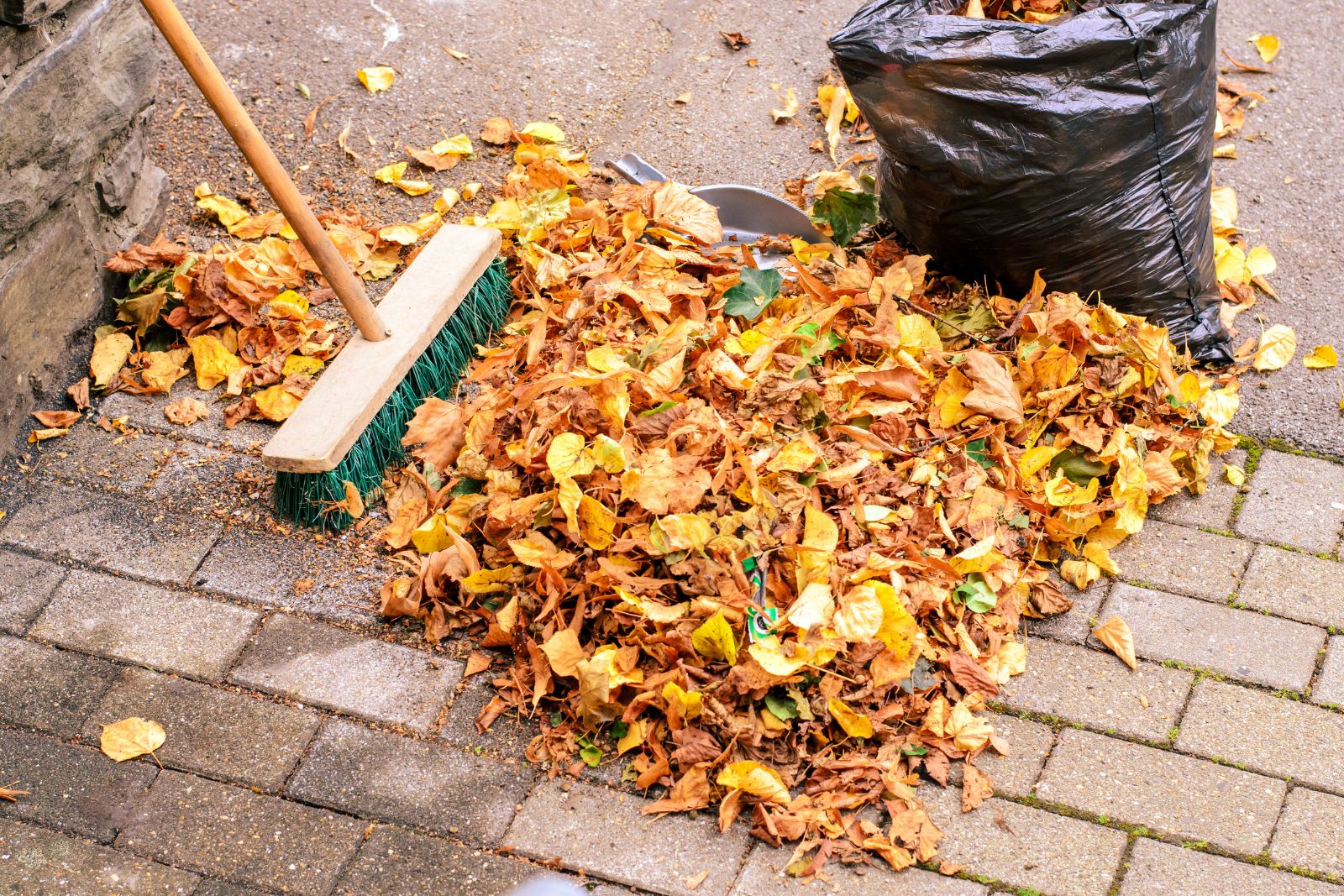
Teo Spengler, a former attorney who writes the Gardening Lawyer series for Gardening Know How, puts the general rule simply: “each property owner is responsible for the leaves on their lawn,” whichever tree they came from. Leaves the wind carries across the property line are treated as an act of nature, so your neighbor generally has no duty to clear them.
The picture changes when a person, not the wind, moves the leaves. If your neighbor uses a leaf blower, rakes leaves into a sack or dumps them over the fence onto your side, Spengler says, “It’s the same as dumping garbage on your land.” She notes that you can report deliberate dumping to code enforcement, your HOA or local authorities.
Gutters follow the same logic. Clearing leaves from a gutter is the job of whoever owns the gutter, and you generally can’t sue a neighbor to make them remove leaves.
What you can do, step by step
- Rake your own side. Leaves on your lawn are generally yours to handle, wherever they started.
- Ask about the branches first. Overhanging branches are the main reason leaves end up in gutters, Spengler says, so start by asking your neighbor to trim them.
- Trim to the property line if they won’t. According to Spengler, “you have the right to clip back those branches to the property line.” Her two conditions: “Don’t damage the tree and don’t go onto the neighbor’s land to make the cuts.” Real estate lawyer David Cohen of Cohen Property Law Group told Tom’s Guide the same thing about the plant’s health: you can’t harm it in a way that diminishes its health or value.
- Keep records. Spengler says photos help and video is better, and suggests a motion-sensor camera if you suspect deliberate dumping. Keep a calendar of conversations, gutter and lawn buildup, cleanups and trimming.
- Talk before anything else. Her approach for the first conversation: calm and casual, with “no threats, no attorneys, no rage.”
Plan B if talking goes nowhere: suggest a mediator. Spengler says your HOA may be able to provide one, and if not, you can ask at City Hall.
Limits, safety and when to get help
Court is a last resort. Spengler notes it’s costly and often damages the relationship with the people you live next to. If leaves cause a real problem, such as mold from clogged gutters, the situation may become a nuisance, and with proper evidence you may have a case. In that situation, get an expert to inspect the damage and put the cause in writing.
Be careful with the trimming itself. Large limbs, work from a ladder and anything near power lines are jobs for a professional tree service, not a weekend with a handsaw. Cutting a tree badly can also put you on the wrong side of the rule above.
Rules vary by state, city and HOA, so this is a general overview, not legal advice. For a serious dispute, talk to a local attorney. Local codes can surprise you in other places, too: the grass strip by the curb often isn’t even yours, yet your city can still make you mow it.
Rake your side, trim to the line and keep a record. That’s the trick.