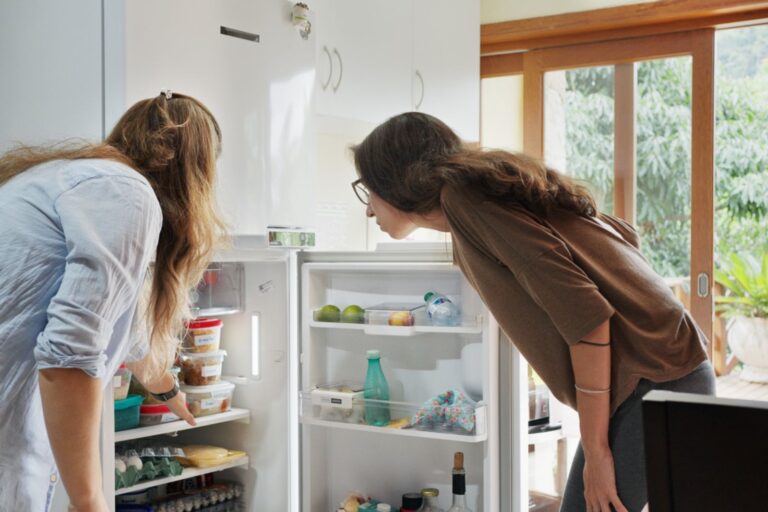
You’re starving, dinner is finally on the table, and you grab the salad dressing, the jam and the leftover rice. Between bites, everything gets shoved back wherever it fits. A week later, there’s a sticky ring under the jam jar, dried drips down the dressing bottle, and last Sunday’s leftovers are lost behind the milk.
This is not your fault. Fridges rarely get messy in one big spill. They get messy a little at a time, in rushed and hungry moments. And one grandmother’s rule goes straight at those moments.
Why fridges get messy in a hurry
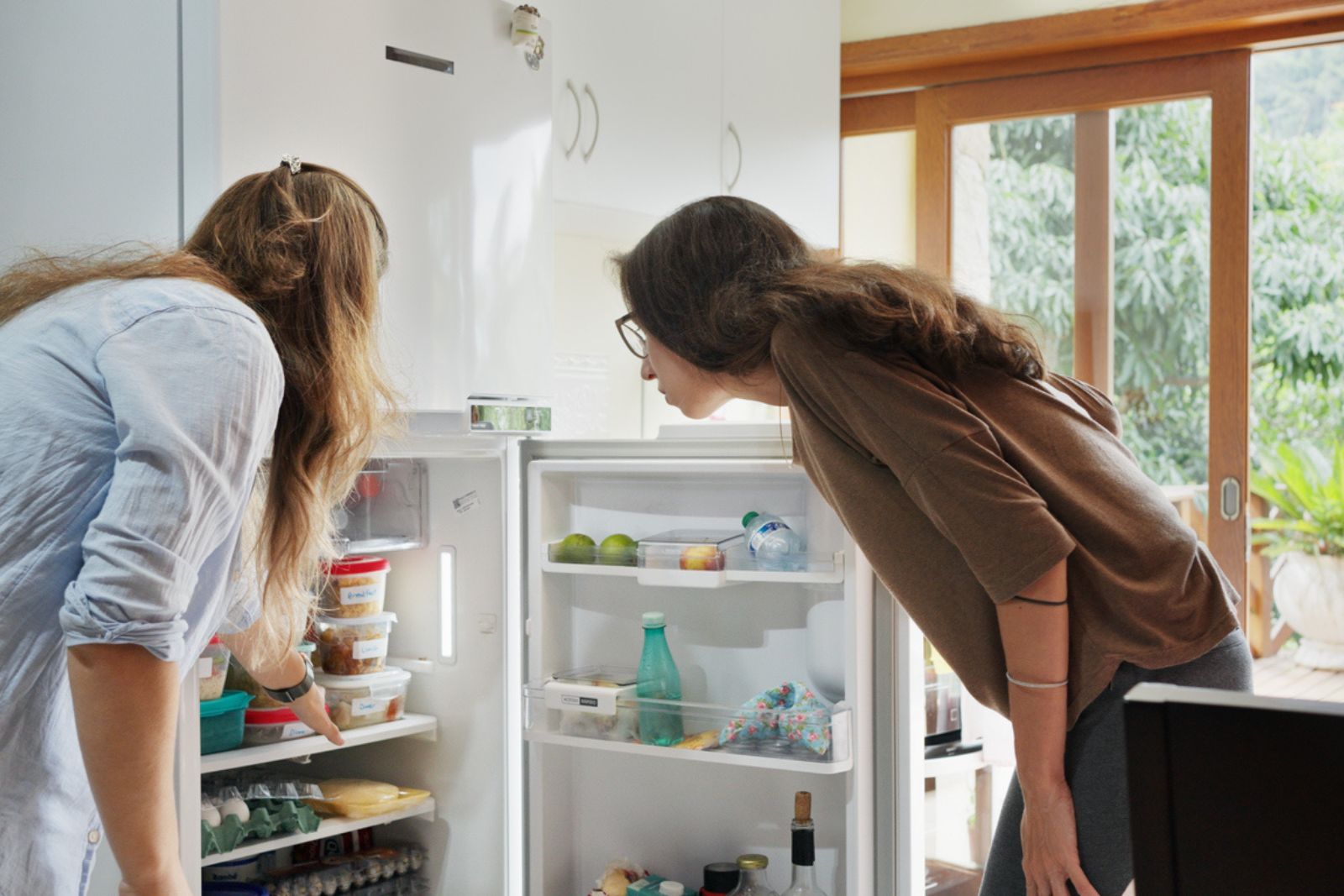
Apartment Therapy writer Sophie Hirsh says her 91-year-old grandmother keeps a refrigerator, and even a freezer, that is immaculate. Her golden rule has kept that fridge spotless for 70 years: “Never put anything back in the fridge when you’re rushed or hungry.”
The rule works because of what a rush does. When you’re in a hurry, bottles go back sticky, lids go back messy, and items land wherever there’s a gap. Instead, Nana leaves condiments, drinks and containers of leftovers on the counter until she’s finished eating. That way, Hirsh writes, she has the time and focus to wipe down sticky bottles or messy lids before returning each item to its spot.
How to use the rule at home
- Reset once. Before testing the rule, Hirsh pulled everything out, tossed expired food, and sprayed and wiped down the shelves and drawers.
- Give everything a spot. She grouped like with like and set labels facing forward, a habit Nana uses to help avoid food waste.
- Leave it out while you eat. Condiments, drinks and leftovers stay on the counter until the meal is over, not just until you’ve served yourself.
- Wipe before it goes back. Run a damp cloth over sticky bottles and messy lids once you’ve finished eating.
- Return each item to its spot. Same shelf, same place, every time.
Hirsh followed the rule for a few weeks. “The difference has been huge,” she writes, and weeks later her fridge still looked as clean and organized as it did right after the deep clean.
Plan B if a full reset isn’t happening this week: start with step 3 at one meal a day, usually dinner, and add the reset when you have an hour.
The one exception: perishable food
The counter pause is for the length of a meal, not an afternoon. When Hirsh first wrote about the rule in 2025, she limited it to ingredients that aren’t immediately perishable, and federal food safety advice backs that up. FoodSafety.gov says to refrigerate perishable foods within 2 hours, or within 1 hour if the food is exposed to temperatures above 90°F. Bacteria that cause food poisoning multiply quickest between 40°F and 140°F, and your fridge should be set to 40°F or below.
That matters most at long holiday meals. At Thanksgiving, put the turkey, gravy and sides away within 2 hours, even if dessert hasn’t started. Milk, cream and anything else perishable go straight back once they’ve been used.
And while the shelves are empty for the reset, take a second to check the slider on your crisper drawer, too.
Leave it out, wipe it down, put it back where it lives. That’s the trick.