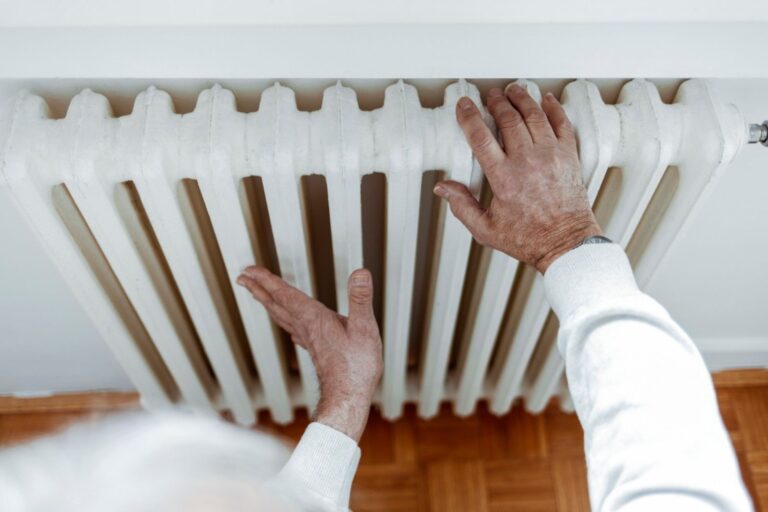
The first real cold snap arrives, and the furnace barely stops. You hear it kick on, run, and run some more. Yet the bedroom stays chilly, the vents feel weak, and you’re already bracing for the repair bill and the next energy bill.
This is not your fault. Heating systems rarely warn you before something small goes wrong. And one of the first things to check is also the simplest part of the whole system, one that’s easy to forget for months at a time: the air filter.
Why a dirty filter makes the house feel colder
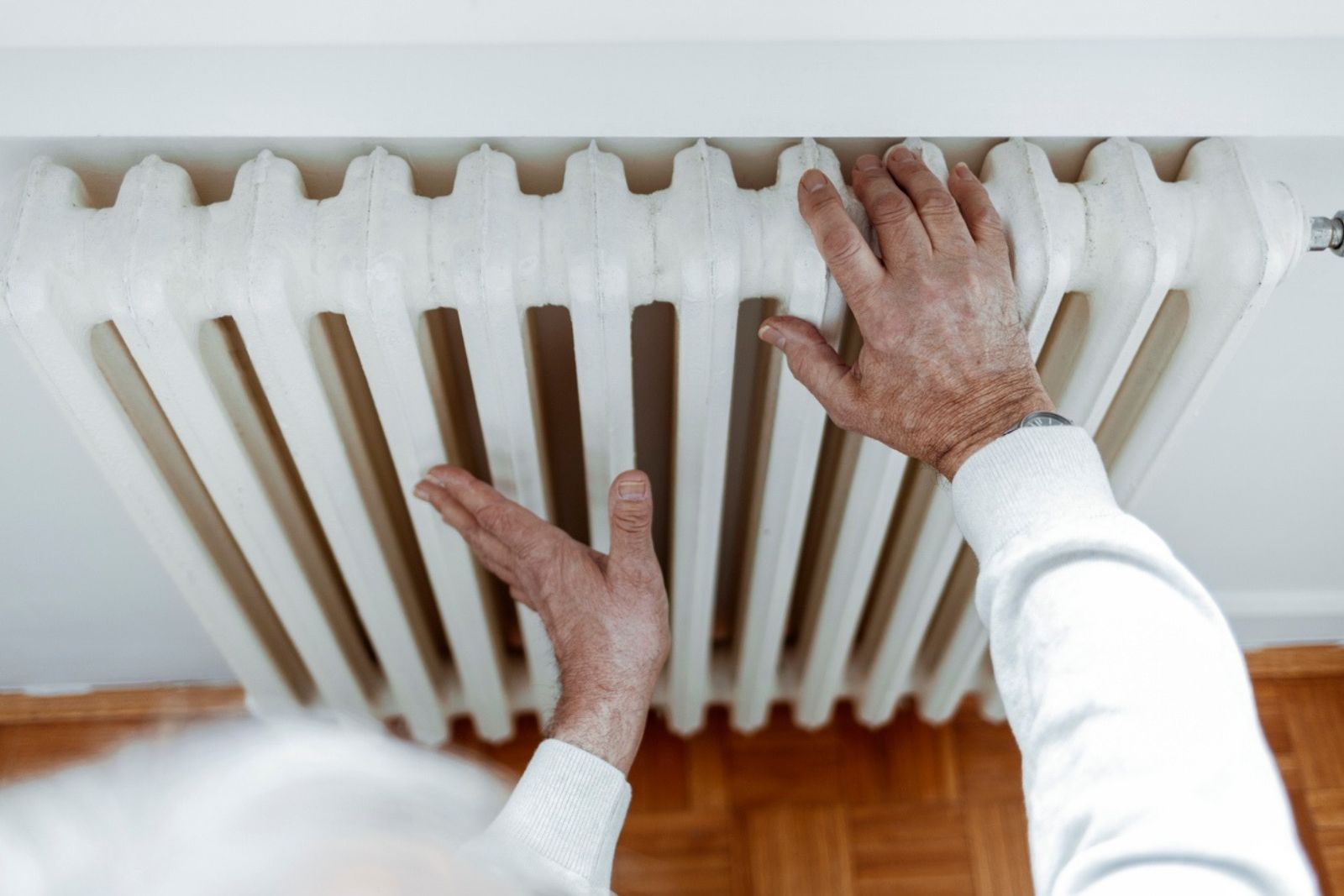
Your furnace pushes air through a filter before it reaches your rooms. As that filter clogs with dust, less air gets through. According to ENERGY STAR, a dirty filter will slow down air flow and make the system work harder to keep you warm, wasting energy.
That’s why a house can feel underheated even while the system runs longer than usual. ENERGY STAR adds that keeping the filter clean prevents dirt buildup that can lead to expensive maintenance or early system failure.
The heating-season check, step by step
- Find and check the filter. ENERGY STAR says to check your filter every month, especially during heavy-use months like winter. Turn the system off before you pull it out.
- Replace it on schedule. At a minimum, change the filter every three months. If it looks gray and clogged when you check, don’t wait.
- Book a yearly tune-up. ENERGY STAR says a yearly tune-up of your heating and cooling system can improve efficiency and comfort.
- Seal leaky ducts. Sealing and insulating ducts can improve the efficiency of your heating and cooling system by as much as 20 percent, according to ENERGY STAR. Start with ducts that run through the attic, crawlspace, unheated basement or garage, and use duct sealant (mastic) or metal-backed foil tape on seams and connections.
- Insulate exposed ducts. Wrap them in insulation so they don’t get cold in winter.
Plan B if a fresh filter doesn’t help: ENERGY STAR suggests having your system evaluated by a professional HVAC contractor if it’s more than 10 years old or not keeping your home comfortable. That’s the point to call for a repair.
When it’s not a filter problem
A clean filter fixes airflow. It doesn’t fix a failing part. If rooms stay cold after a new filter, if the system makes unusual noises, or if it cycles on and off constantly, a technician should take a look. Installation matters, too: ENERGY STAR notes that improper installation can reduce system efficiency by up to 30 percent.
Safety comes before comfort with fuel-burning heat. The Consumer Product Safety Commission says carbon monoxide alarms belong on each level of the home and outside sleeping areas. Utility Dominion Energy warns never to use a gas range or oven for heating, and to get to fresh air as soon as possible if you suspect a carbon monoxide leak.
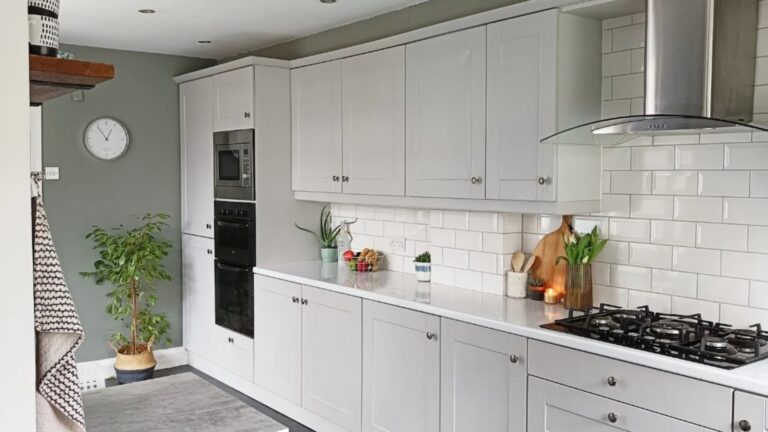
The same principle applies elsewhere in the house. A range hood that barely pulls any air often has a clogged grease filter, not a dead motor.
Check it monthly, change it every three months, and let the furnace breathe. That’s the trick.