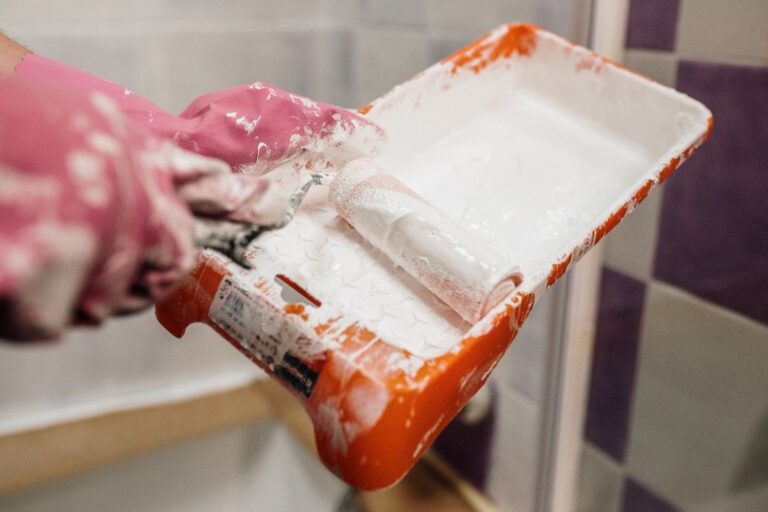
The holiday clear-out is in full swing. The garage is lined with bags and boxes: a stained armchair, an old crib from the basement, a washer that stopped spinning last spring and a half-used can of paint. Someone can use this, you think, and you load it all into the car for the donation center.
This is not your fault. Most of us donate with good intentions and assume anything we don’t need will find a new home. But some of what lands at the donation door can’t be sold at all, and getting rid of it costs the charity money.
Why some donations end up as trash
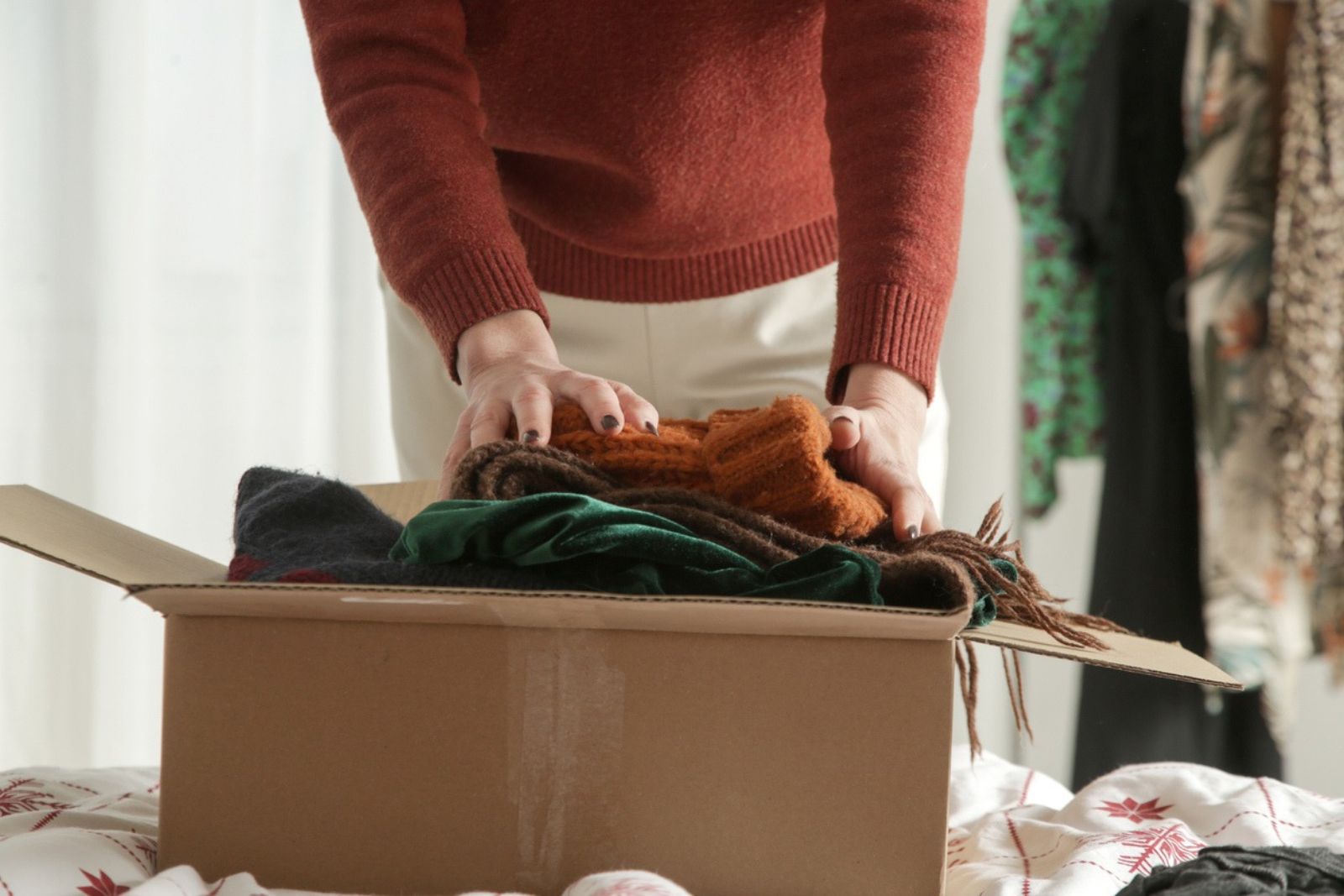
Goodwill of North Georgia spells it out on its list of items it can and can’t accept. While it gladly accepts most donated items, it says some cannot be accepted due to safety, environmental and regulatory requirements.
The bigger issue is cost. In Goodwill of North Georgia’s words, the cost of disposing of trash and items it can’t accept takes money and resources away from the job training, employment services and programs your donations support. In other words, a bag of unsellable items isn’t neutral. Someone has to haul it away.
What to leave out of the bag
Goodwill of North Georgia lists items it cannot accept. Among the ones most likely to turn up in a home clear-out:
- Anything that needs fixing. Items in need of repair are on the no list.
- Stained or soaked things. Water-soaked or stained items can’t be accepted.
- Bedding basics. Mattresses, box springs and bed frames are all excluded.
- Baby gear. Cribs and car seats are on the list.
- Paint and chemicals. Neither is accepted.
- Big appliances. Large appliances such as stoves and washers or dryers, plus air conditioners, are out.
- Building materials and outdoor gear. Doors, wall cabinets, lumber, carpeting for installation, tires, swing sets and children’s swimming pools are excluded, too.
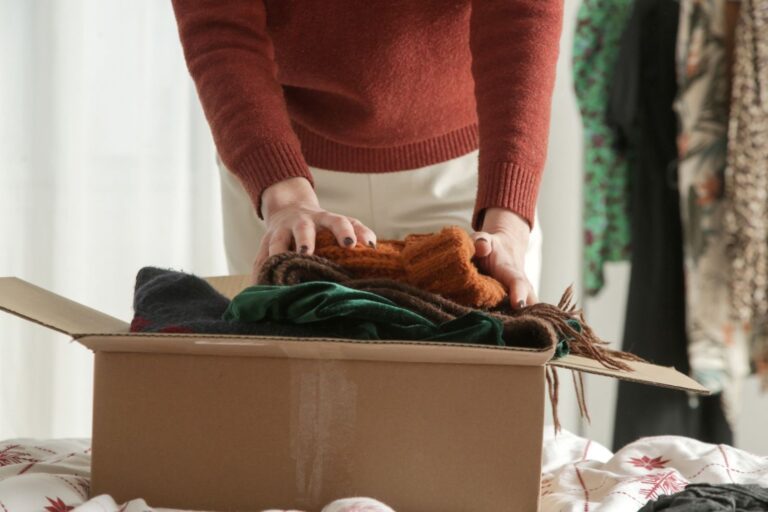
On the other hand, it actively asks for clothing, housewares, books, furniture, lamps, small appliances, kitchen utensils, toys, linens, jewelry, bicycles and sporting equipment. Clean, working items in those categories are the ones that help.
Plan B for what’s left over: check your city or county’s household waste program for paint and chemicals, and ask your appliance retailer or local utility about haul-away or recycling options for large appliances. A broken item may also be worth repairing or reusing yourself before it goes anywhere.
Every store has its own rules
This list comes from one Goodwill organization in Georgia, and other stores may follow different lists. Check the rules for the location you plan to visit before you load the car. When in doubt, call ahead.
A quick sort at home saves everyone time. Donate clean, working items, set aside anything broken or stained, and never leave bags outside a closed donation center, where they can get rained on and become exactly the kind of soaked donation that has to be thrown out.
And some “junk” deserves a second life at home. One DIYer refused to throw out an old bed frame and turned it into a garden privacy screen instead.
Sort first, check the list, then donate. That’s the trick.