You cleared every shelf, wiped it down and put everything back. A week later, the bookshelf looks exactly the way it did before: paperbacks stacked sideways, a candle wedged behind a picture frame, a basket nobody remembers buying. You never added anything new. It just went back to chaos.
This is not your fault. Most of us put things back wherever they fit, one object at a time, so the shelf never gets a plan. A professional organizer says the fix isn’t buying new decor. It’s the order you put things back in.
Why shelves slide back into clutter
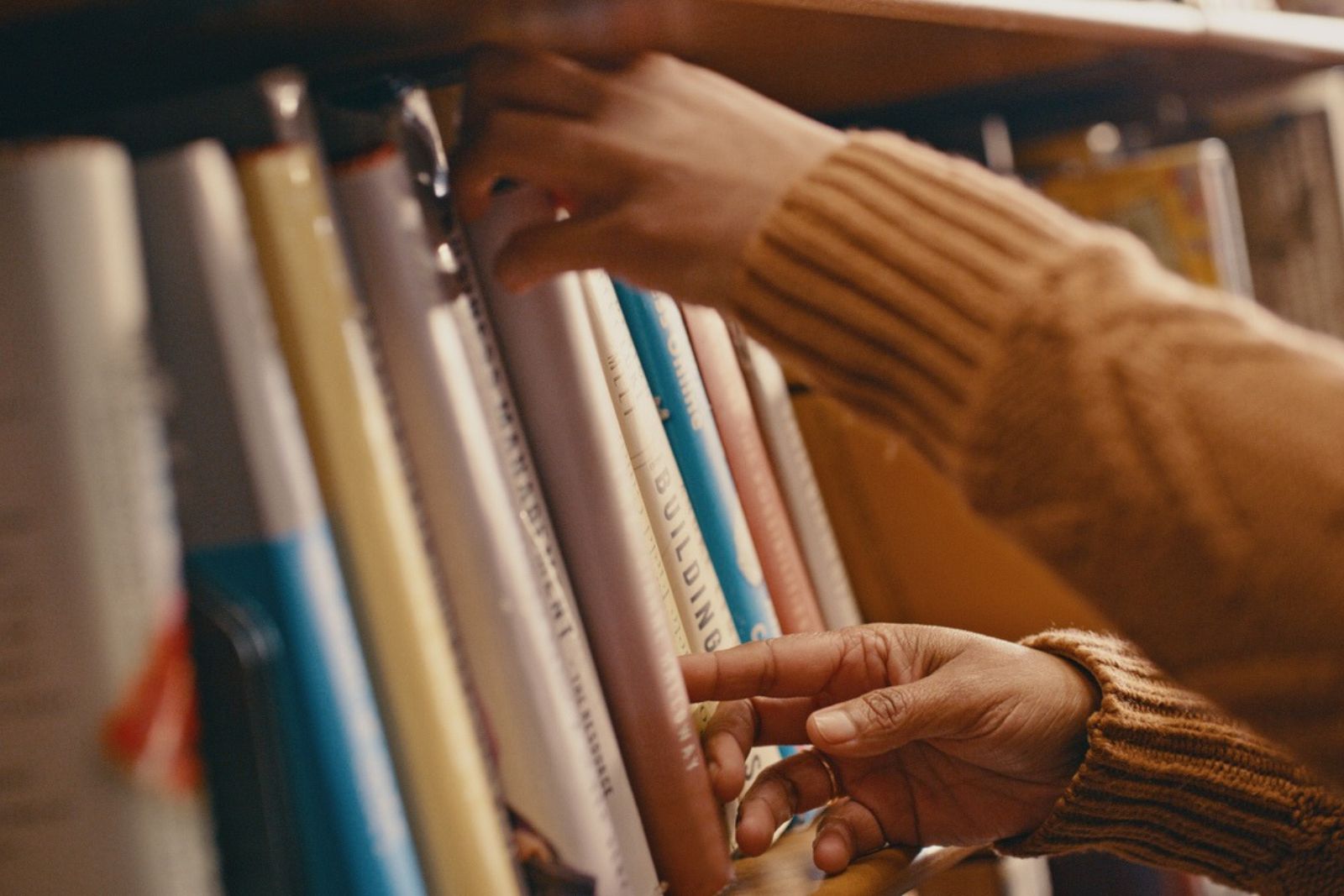
When every object gets equal space, the eye has nowhere to rest. Books mix with knickknacks, heavy pieces sit at eye level and the shelves fill to the back until things disappear. The result looks busy even when the shelf isn’t that full.
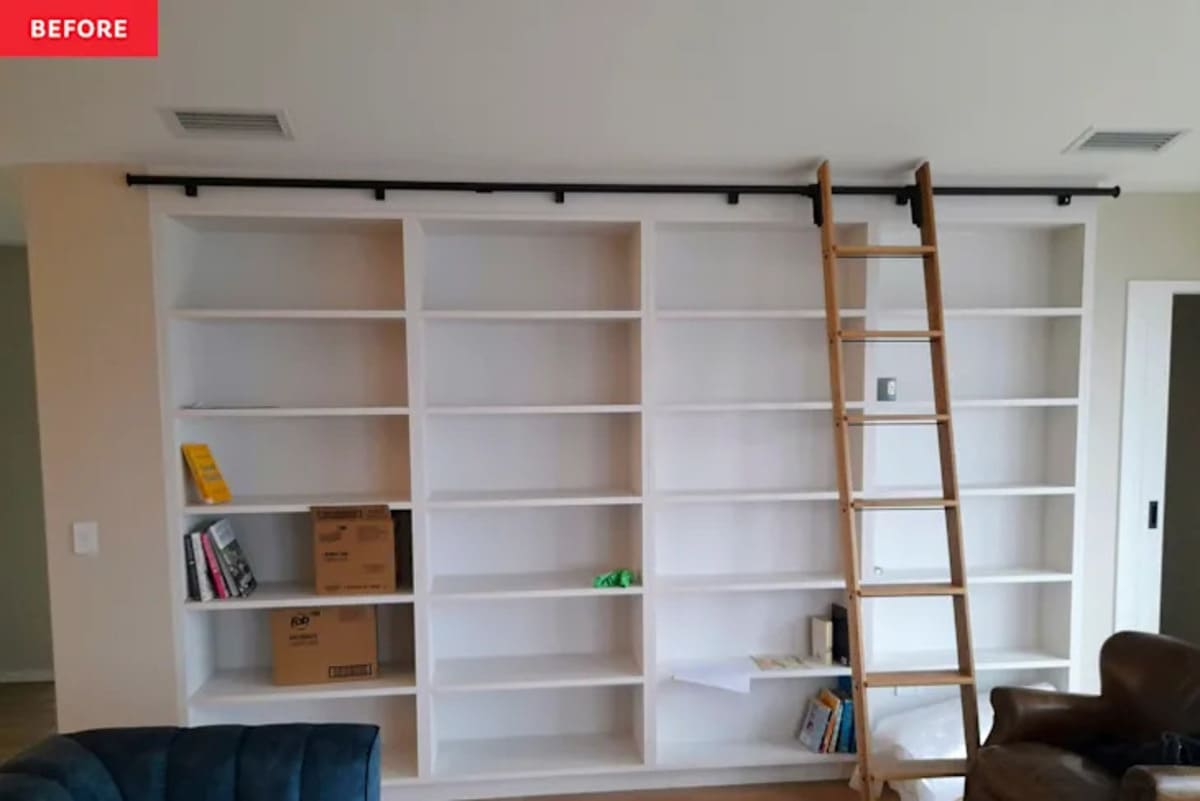
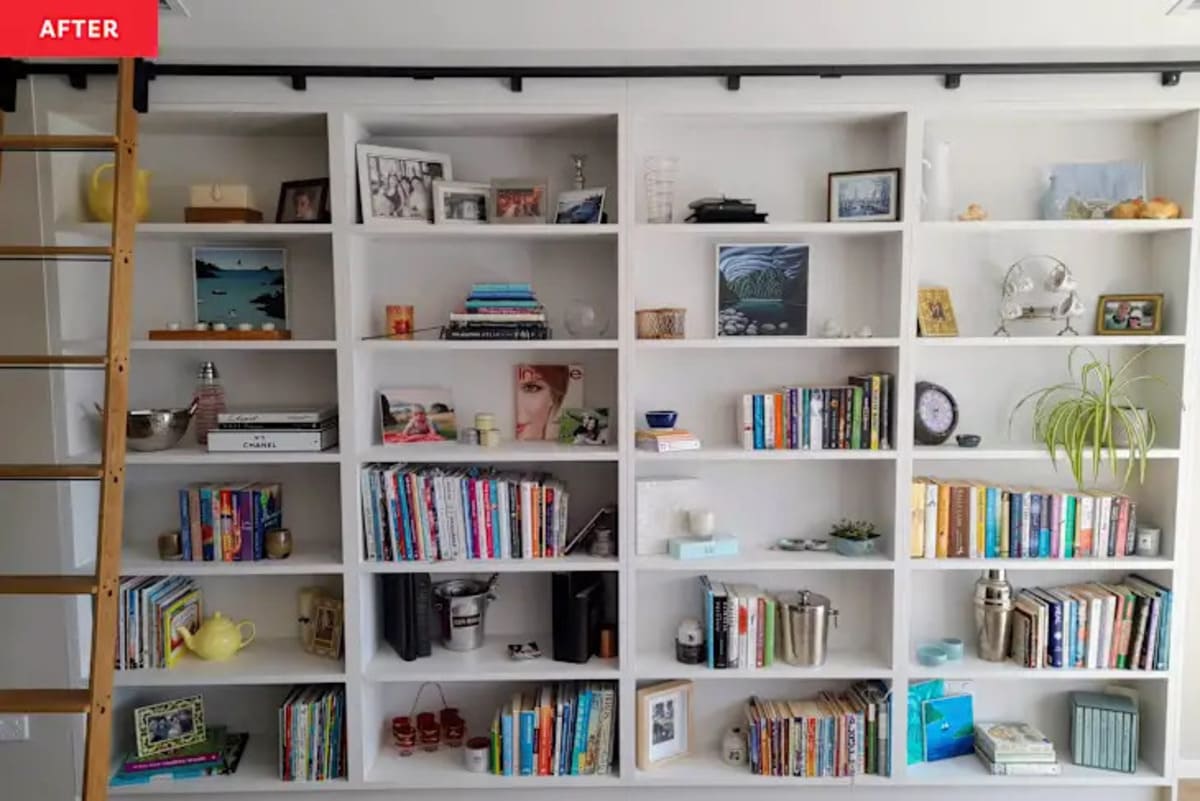
In an Apartment Therapy story, writer Meg Hemphill describes turning her cluttered built-in bookshelf into an organized one with four tips from Jessica Litman, the professional organizer behind The Organized Mama. None of them requires buying anything.
The four rules, in order
- Group like items first. “Start by grouping all your items together, then decide what you want to showcase and group based on category,” Litman says. That can mean collections, types of books, colors or whatever makes sense for your things.
- Sort books by function. “Grouping by topic is best,” she says. Kids’ books belong on lower shelves so children can grab them, and fiction can be grouped by genre.
- Style from the bottom up. Put heavier objects on the lower shelves and keep smaller, lighter items at eye level. Litman’s advice is to start filling shelves without overthinking and move things around until they feel right.
- Leave space to breathe. “Giving breathing room to the shelves helps you see all the amazing items you’re displaying,” she says. Her other warning: don’t let things get lost in the back of the shelves.
Plan B if you can’t get it right on the first try: walk away. “Don’t overthink things. Put them up and then walk away,” Litman says, adding that you can tweak and adjust as you live with the shelves.
What styling can’t solve
Some clutter is a volume problem, not a styling problem. If grouping everything shows you have twice as much as the shelf can hold, the honest answer is to store or donate some of it before you style the rest.
Safety matters as much as looks. Keeping heavy items low helps, but a tall, freestanding bookcase should still be anchored to the wall, especially in a home with young children who might climb it. Don’t overload individual shelves until they bow.
The same group-like-with-like rule works in smaller spaces, too. Our guide to organizing under the bathroom sink uses it to keep hair tools, cotton supplies and backups in their own bins.
Group first, heavy at the bottom, space between. That’s the trick.