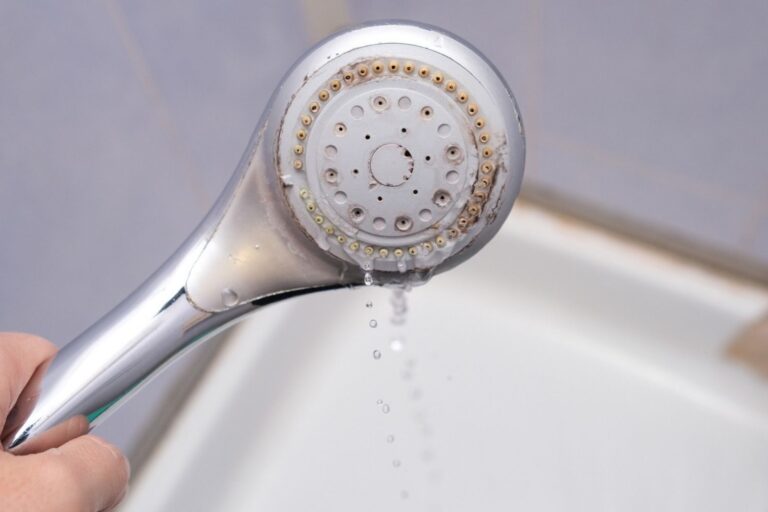
The shower used to hit like a summer storm. Now it’s a tired drizzle, and a few streams shoot off at odd angles. You scrub the face of the head, poke at the nozzles, maybe soak it overnight. A week later the spray is just as weak, and you start pricing new shower heads or worrying about the pipes.
This is not your fault. Most people never learn there’s a part hiding behind the head: a small debris screen that sits in the nut where the shower head screws onto the shower arm. Delta Faucet says the screen is there to stop larger particles from getting inside and damaging internal parts. When it clogs, the whole shower suffers.
Why a tiny screen can make the whole shower feel weak
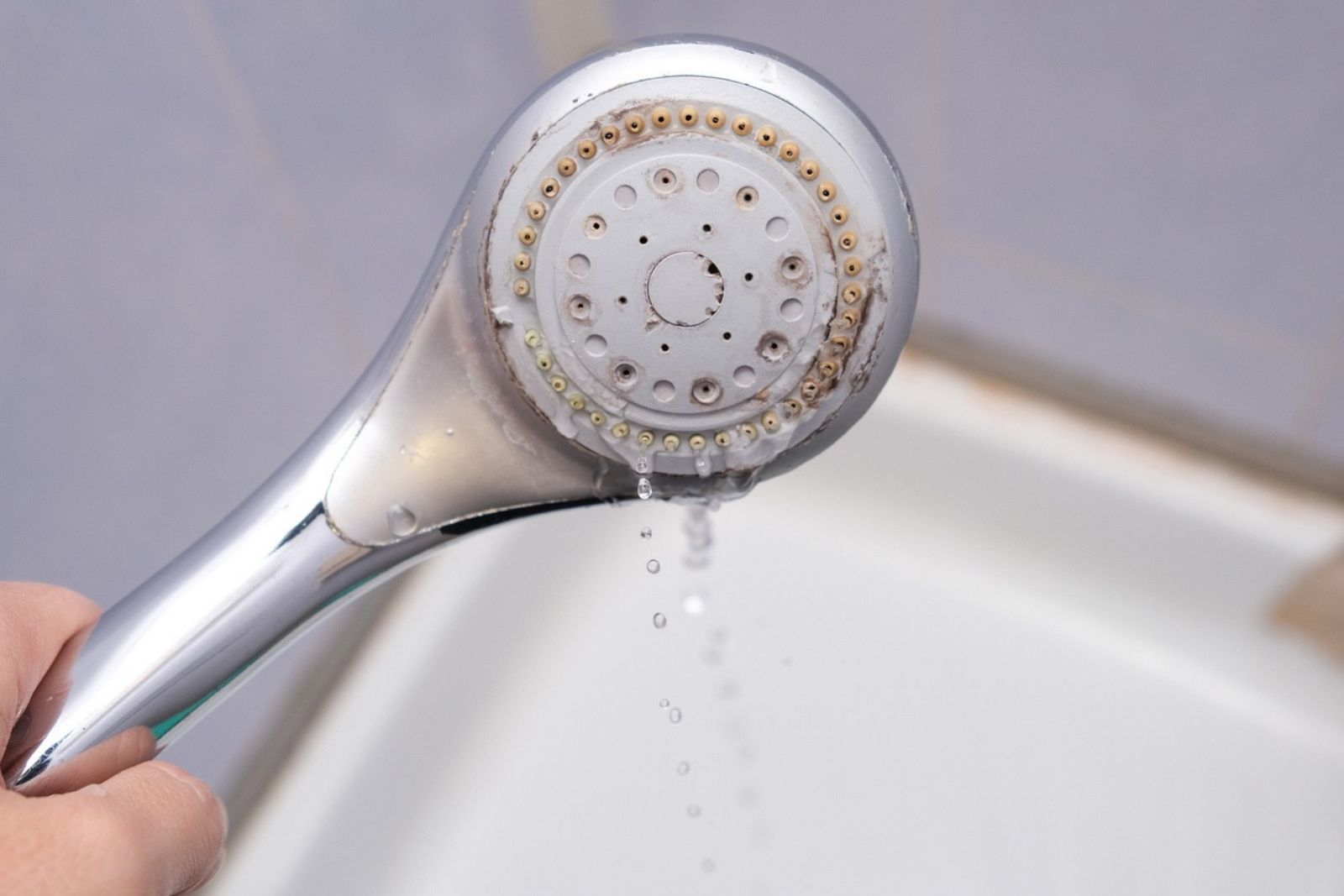
Delta explains that mineral deposits and debris build up on or in the connection to the shower head no matter where you live. Lime buildup, grit from a well, flakes from rusty pipes or particles from the city supply all end up in the same place, and how fast depends on your water quality. In its guide to restoring flow, Delta adds that a clogged filter screen can lower the pressure or make the water come out unevenly or at an odd angle.
Cleaning the face of the head doesn’t touch that screen, which is why the drizzle comes back. Moen describes a similar screen on some of its hand showers, tucked into the base of the handle where the hose connects, and says to flush it upside down under running water to clear the debris that slows the flow.
One common mistake makes things worse. Delta notes that a missing screen may have been mistaken for a flow restrictor and pulled out. They are two different parts.
How to clean the screen
- Turn the shower head counterclockwise with a wrench to unscrew it from the shower arm.
- Pull the screen out of the nut. Clear any debris from the threads while you’re there.
- Scrub the screen with a toothbrush. For stubborn mineral deposits, Delta suggests soaking the screen overnight in vinegar.
- With the head off, turn on the shower for 30 to 60 seconds to flush rust and debris out of the pipes and the arm, as Delta’s low-pressure guide recommends.
- Put the screen back in the nut, wrap the arm threads with thread seal tape, screw the head back on and test the spray.
Plan B: if the screen is torn or missing, don’t run the shower without one. Delta sells a universal replacement screen (RP43621) designed to fit any Delta shower head, and other brands list their own replacement parts. On a hand shower, also check the hose for kinks or leaks and replace it if needed.
Soak only the screen, not the whole fixture. Some makers advise against vinegar on finishes and recommend other descalers for the nozzles.
Limits, warranty and when to call a plumber
Leave the flow restrictor alone. Delta says every shower head has one inside and that removing it could void your warranty. Federal standards cap new shower heads at 2.5 gallons per minute, and local rules can be stricter.
If a new head still feels weak, time it. Hold a one-gallon bucket under the spray: Delta’s math says a 30-second fill means 2.0 gallons per minute. If the rate matches what’s printed on the head, the head is working as designed. It may simply flow less than your old one.
If the screen is clean, the pipes are flushed and the spray is still weak, Delta says the cause may be a shower valve that wasn’t installed properly or low water pressure coming into the house. That’s the point to call a plumber, who can also talk through pumps or pressure boosters.
A wrench, a toothbrush and a minute of running water, before you buy anything new. That’s the trick.