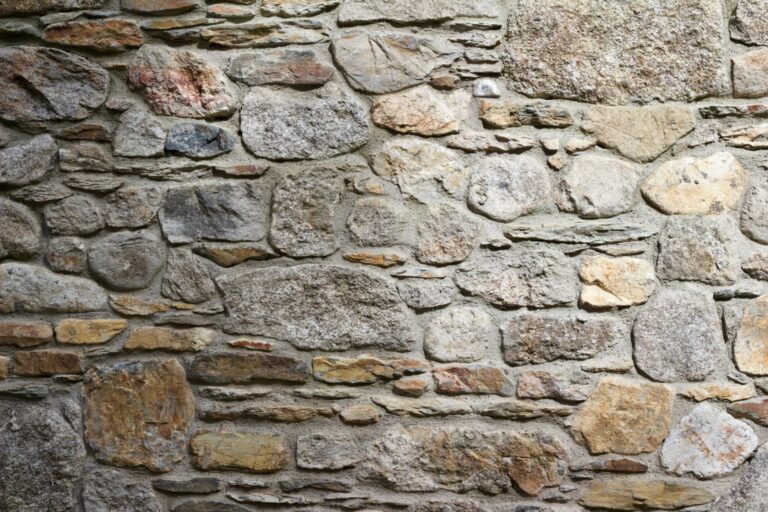
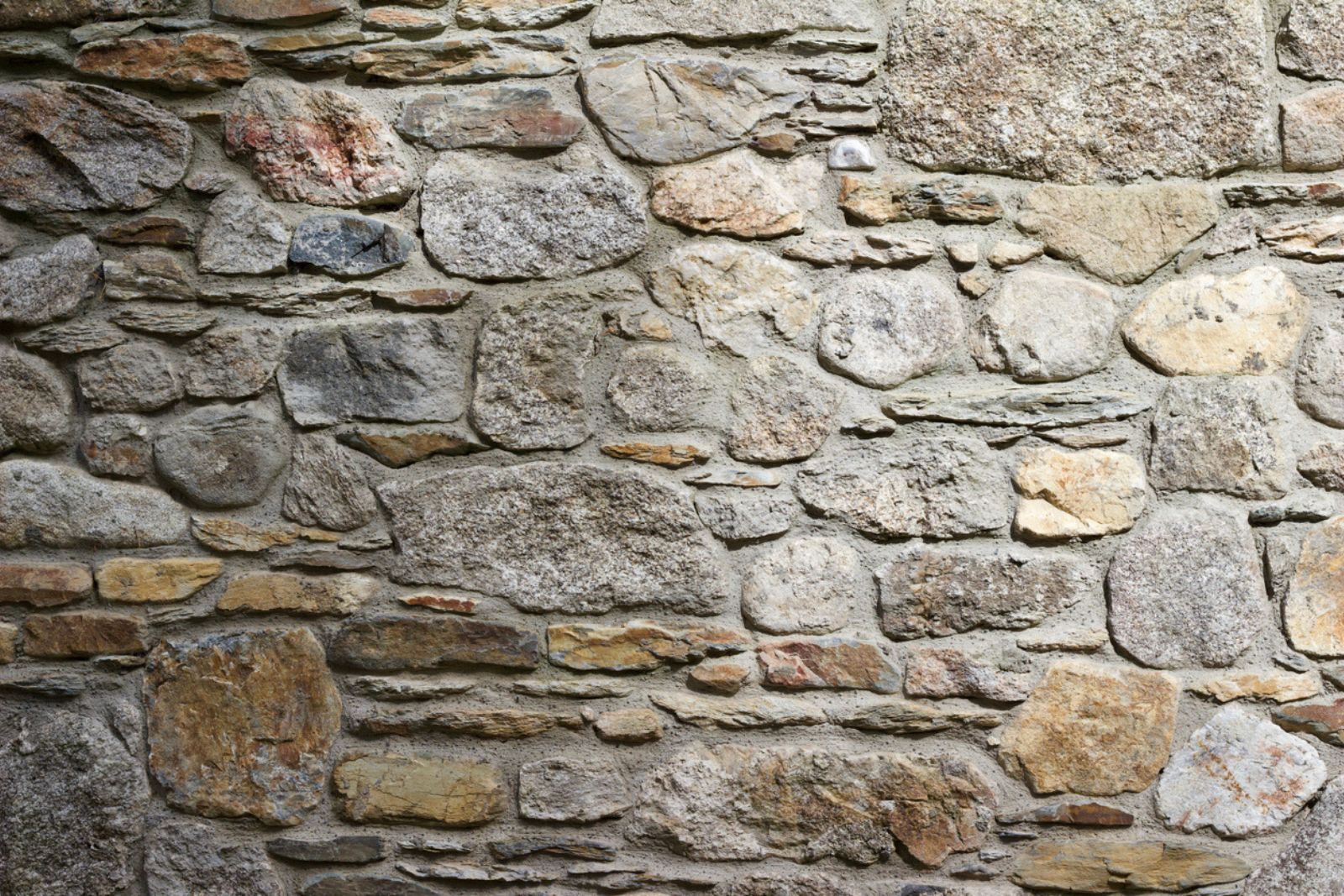
The old stone wall had crumbling joints, so before the cold set in, you had them raked out and refilled with crisp gray cement. It looked great and felt hard as rock. By spring, the joints are still perfect, but the edges of the stones around them have started to flake and crumble.
This is not your fault. A harder, stronger joint sounds like the obvious upgrade, and modern cement is what most hardware stores sell. But on old masonry, the joint that holds up best can be the one doing the most damage.
Why a hard joint hurts a softer stone
The National Park Service’s Preservation Brief 2, the federal guide to repointing historic masonry, is direct: “Mortars for repointing should be softer or more permeable than the masonry units.”
The reason is moisture and movement. Water needs a way out of the wall. The brief explains that a straight portland cement and sand mortar is extremely hard and resists the movement of water. If the mortar blocks that path, the masonry itself takes the damage. Salts can crystallize inside the stone or brick and make the surface spall.
Hardness causes a second problem. A mortar stronger than the masonry won’t give under stress, so the stress is relieved through the stone or brick instead, causing permanent damage such as cracking and spalling, which the brief says cannot be repaired easily. The joint is meant to be the weak link: the brief calls mortar joints “intended to be sacrificial,” designed to be repointed again someday so the masonry doesn’t have to be replaced.
A separate NPS guide on brick masonry adds that hard, high-portland-cement mortars are less permeable than surrounding brick and will often cause it to deteriorate faster.
What to do instead, step by step
- Fix the water source first. The brief says causes like leaking gutters or rising damp should always be dealt with before repointing.
- Match the old mortar. NPS says to match the color, hardness and permeability of the existing mortar. Lime mortar is soft, porous and changes little in volume as temperatures swing, which is why the brief considers it a good choice for historic buildings.
- Hire for experience. The brief suggests requiring masons with at least five years of experience repointing historic masonry, because experienced masons understand the special requirements of old walls.
- Watch the temperature. The brief recommends wall temperatures between 40°F and 95°F during the work, protecting fresh joints from freezing and skipping antifreeze compounds. Lime mortar also shouldn’t dry too fast, or it will chalk and bond poorly.
Plan B if the cold has already arrived: patch only what’s needed to keep water out, and schedule the full repointing for a milder season.
Limits and safety
This applies to older, softer masonry. If cement joints are already in place and the stone is damaged, talk to a preservation mason before you start chiseling, since removing hard mortar carelessly can harm the stone even more.
Bulging walls, wide cracks or loose stones are structural warning signs and call for a mason or structural engineer, not a weekend repair. If you do rake out joints yourself, wear eye protection and a dust mask, and use hand tools on soft stone.
For a smaller masonry project, here’s how one DIYer made pavers from dry concrete mix.
Softer joint, sturdier wall. That’s the trick.