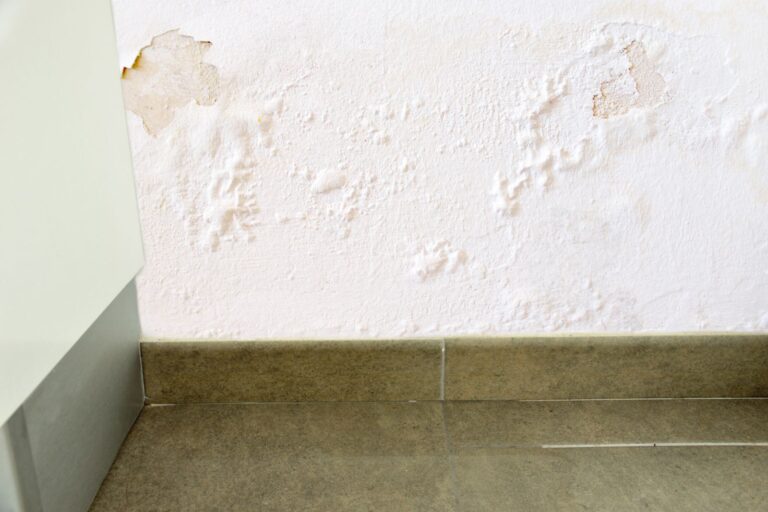
There’s a brown stain low on the bedroom wall, with a few bubbles in the paint around it. You scrape the bubbles, dab on some filler, roll on two coats of paint, and the wall looks new. Three months later, the stain has come back through, the paint is lifting again, and the spot feels soft when you press it.
This is not your fault. Paint is designed to make a wall look finished, and a fresh coat does hide the mark for a while. But paint can’t dry a wall or repair the material underneath, so whatever caused the stain keeps working behind it.
Why the stain keeps coming back
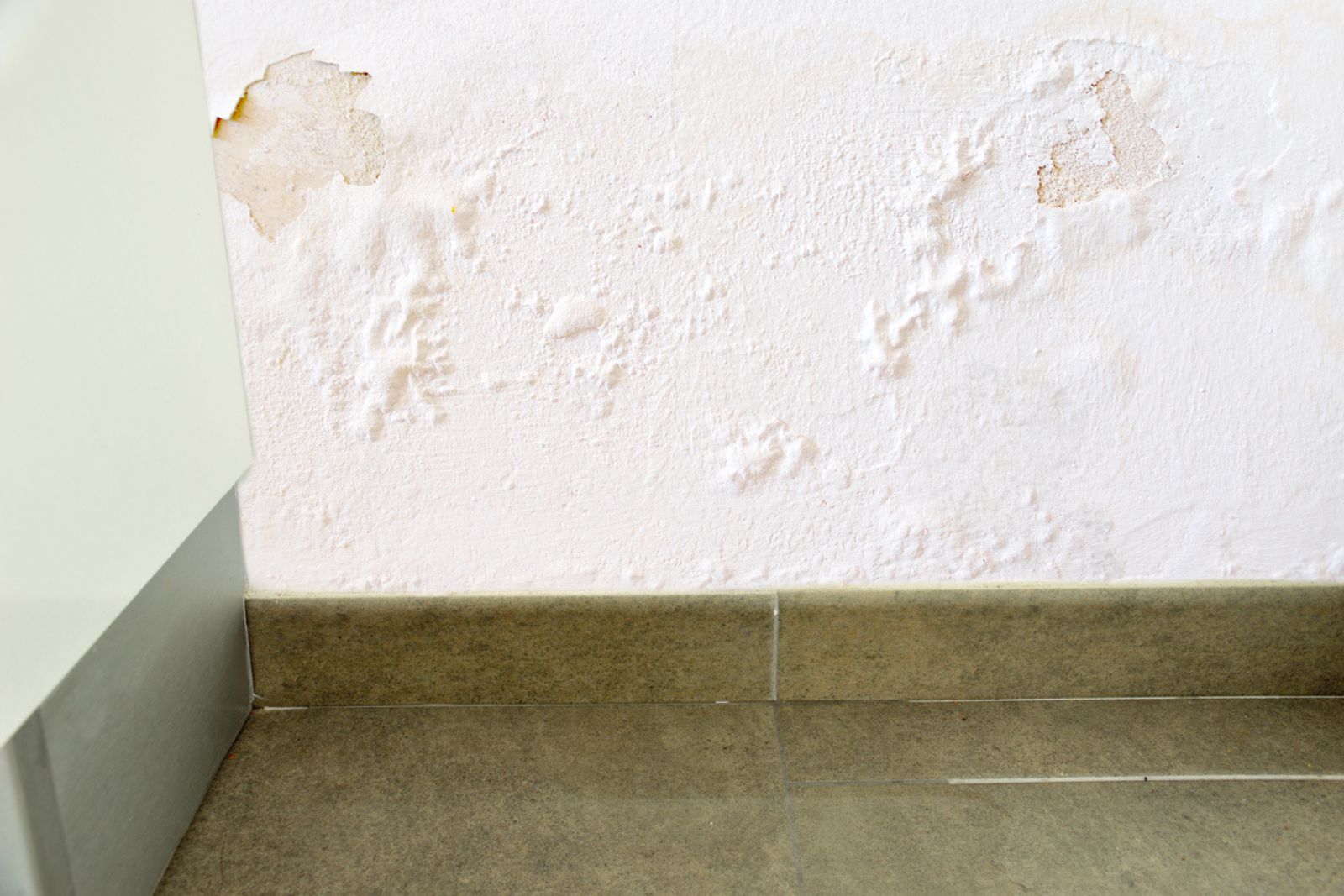
A damp stain is a symptom. Water is getting into the wall from a leak, a gutter, plumbing or condensation, and the plaster or drywall soaks it up. According to Angi, bubbled or bulging paint is the most obvious sign of water damage, and plaster that feels soft or loose has been softened by water.
Moisture also feeds mold. The EPA puts it simply: “The key to mold control is moisture control.” The agency says that if you clean up mold without fixing the water problem, the mold will most likely come back, and it warns not to paint or caulk moldy surfaces.
How to repair it, step by step
- Find and stop the water. Check for leaking pipes, overflowing gutters, cracks outside or steady condensation. Fix the source, or call a plumber or roofer, before you touch the wall.
- Dry the area quickly. The EPA says to dry water-damaged areas and items within 24 to 48 hours to prevent mold growth. Plaster can take much longer to dry out fully: Angi warns it sometimes takes weeks or months.
- Remove the damaged material. Use a putty knife, or a pry bar for larger areas, and take out all the damaged plaster until you reach material that’s hard and sound. Wear a mask, because it’s dusty work.
- Clean any mold on hard surfaces. The EPA says to scrub mold off hard surfaces with detergent and water and dry them completely. Absorbent materials that have become moldy may have to be thrown away.
- Patch, prime and paint. Once the wall is dry, patch it, then prime. Angi recommends an oil-based primer for plaster and letting it cure before the topcoats.
Plan B if the wall still feels damp after a few weeks: run a dehumidifier in the room and keep indoor humidity between 30% and 50%, the range the EPA recommends, before you patch.
Limits and safety
Know when it’s bigger than a weekend fix. The EPA says homeowners can often handle a moldy area smaller than about 10 square feet. Angi goes further and recommends a mold removal professional whenever mold is present. Large damaged areas, ceilings and water coming from the foundation are also jobs for a pro.
Protect yourself while you work. The EPA recommends gloves, goggles and an N-95 respirator during mold cleanup. If your home was built before 1978, have painted surfaces tested for lead before you scrape or sand them.
Sometimes the damage goes deeper than one patch. In one old house, failing plaster walls led a couple to take a cramped powder room down to the studs.
Stop the water, dry the wall, dig out the damage, then paint. That’s the trick.