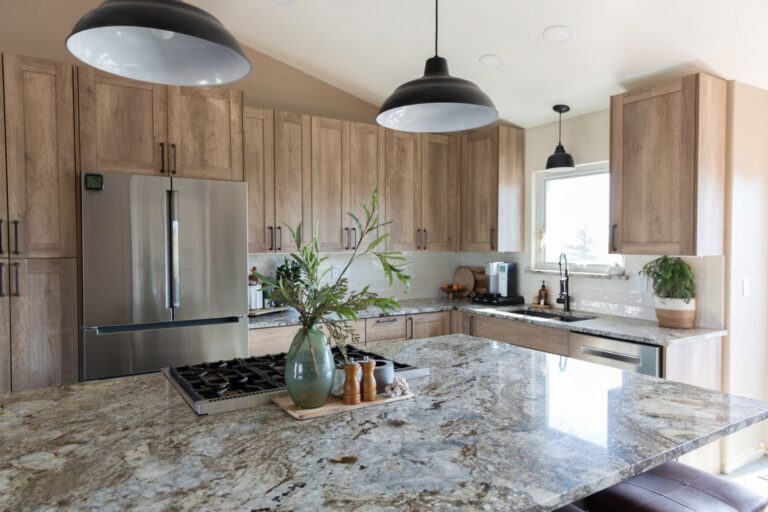
You picked it because it looked clean, bright and easy to live with, and the white slab with soft gray veins still looks crisp years later. Then a headline about California banning quartz countertops pops up on your phone, and you find yourself looking at the kitchen counter a little differently.
This is not your fault, and you don’t need to rip anything out. The proposal is real, but it’s aimed at the people who cut and shape the slabs, not at the countertop already sitting in your kitchen.
What California is actually proposing
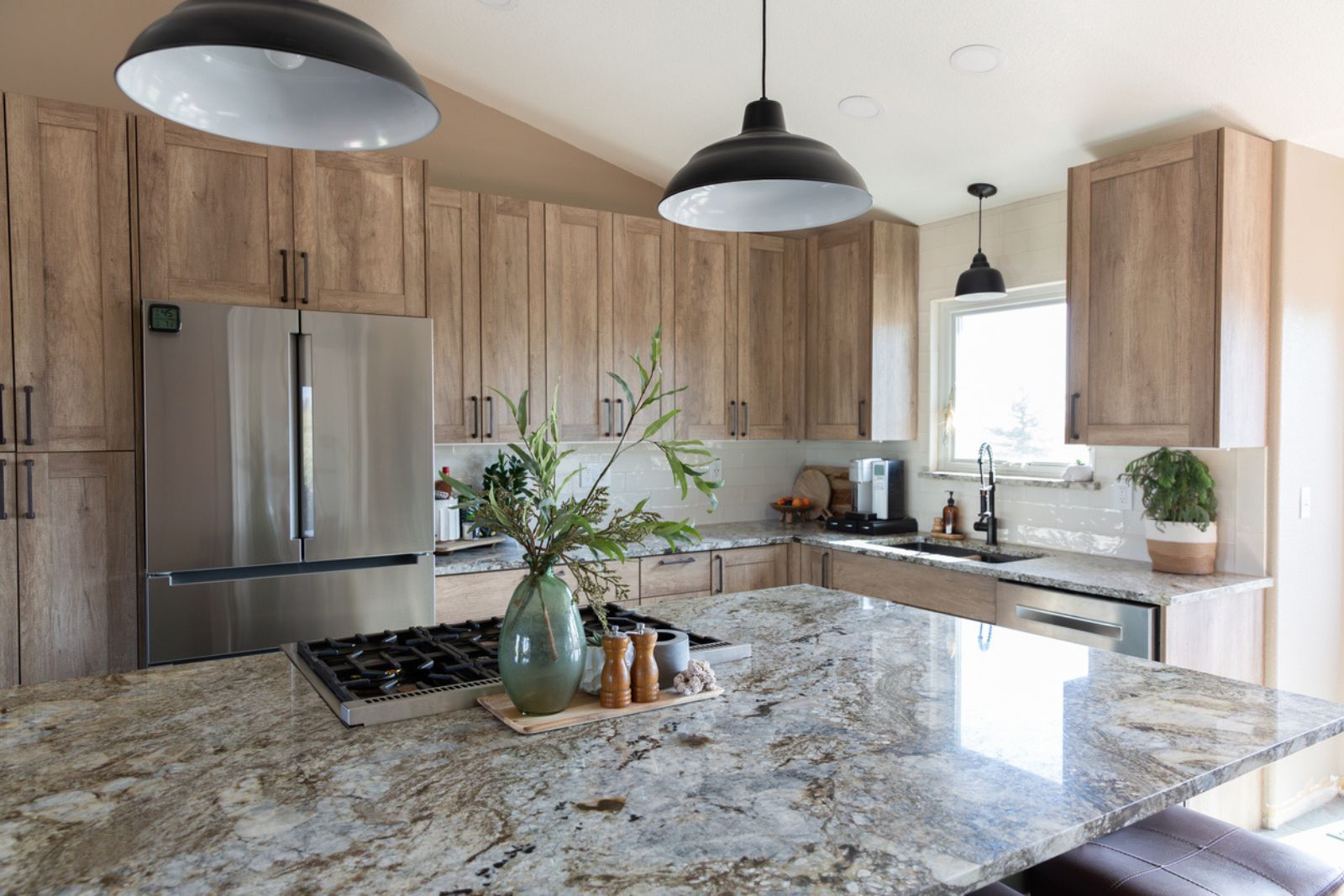
What’s sold as quartz countertops is engineered stone, the material at the center of this rule. NIOSH notes that engineered stone can contain far more crystalline silica than natural stone: more than 90%, compared with less than 45% in granite. The danger is the dust. Cutting, grinding, polishing and drilling can release hazardous levels of silica into the air, and breathing it can cause silicosis, a lung disease that has killed dozens of California stoneworkers.
California has seen a wave of cases among countertop workers. Public Health Watch reported that as of Sept. 10, the state had confirmed 644 silicosis cases and 35 deaths, mostly among immigrant workers who cut, grind and polish the slabs.
In May, the state’s Occupational Safety and Health Standards Board granted a petition asking to prohibit the fabrication and installation of artificial stone with more than 1% crystalline silica, and asked Cal/OSHA to start emergency rulemaking. Cal/OSHA’s rulemaking page shows draft rules titled as a prohibition on the fabrication and manufacture of artificial stone, with an updated draft posted Oct. 22 and comments taken through Oct. 30. The page lists no vote date, and nothing has been adopted yet. Industry attorneys have also questioned whether the board has the authority to ban a product at all.
What it means for your kitchen
For a countertop that’s already in place, the official guidance is reassuring. Washington State’s Department of Labor and Industries put it plainly: “Once installed, intact countertops containing silica are not harmful for in-home everyday use.” The exposure it describes happens when workers saw, grind, polish, shape or install stone.
Here’s how that plays out at home:
- Everyday use: By that account, an intact counter used for normal cooking and cleaning isn’t the problem, so there’s no health reason to replace it.
- Don’t cut it yourself: Drilling, sawing or grinding engineered stone is exactly the kind of work that releases dust. Leave modifications, like a new faucet hole, to a fabricator.
- Planning a remodel: Ask your fabricator how the slab will be cut. NIOSH says engineering controls such as wet methods and ventilation should be used to control dust.
- In California: If the rule is adopted, high-silica engineered stone may become harder to get fabricated. Ask your contractor about timing and alternatives before you commit to a slab.
The limits of what we know
The rule is still a draft, and its final wording, including the exact silica threshold and whether installation work is covered, could change. Other states haven’t adopted similar bans. This isn’t legal advice, so check with your contractor or local building department about current requirements before a project.
And if your quartz is already in, it can keep doing its job for years. One family even built a whole bathroom refresh around it: they kept their old cherry vanity and simply added a new white quartz top instead of replacing everything.
Leave the counter in place, and leave the cutting to the pros. That’s the trick.