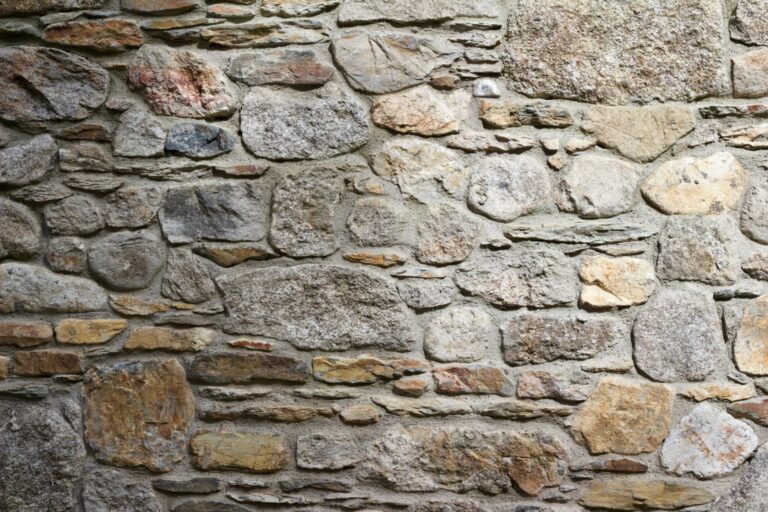
You ordered half a cord in October and figured it would see you through. By early January, the pile by the back door is gone, the cold snap isn’t, and you’re paying gas-station prices for little bundles of wood that burn out in an hour.
This is not your fault. Nobody hands you a number with your first wood stove, and how much you burn depends on things that are hard to judge until you’ve lived through a winter. But there are reliable rules of thumb, and they start with the size of the space you heat.
The numbers, and what changes them
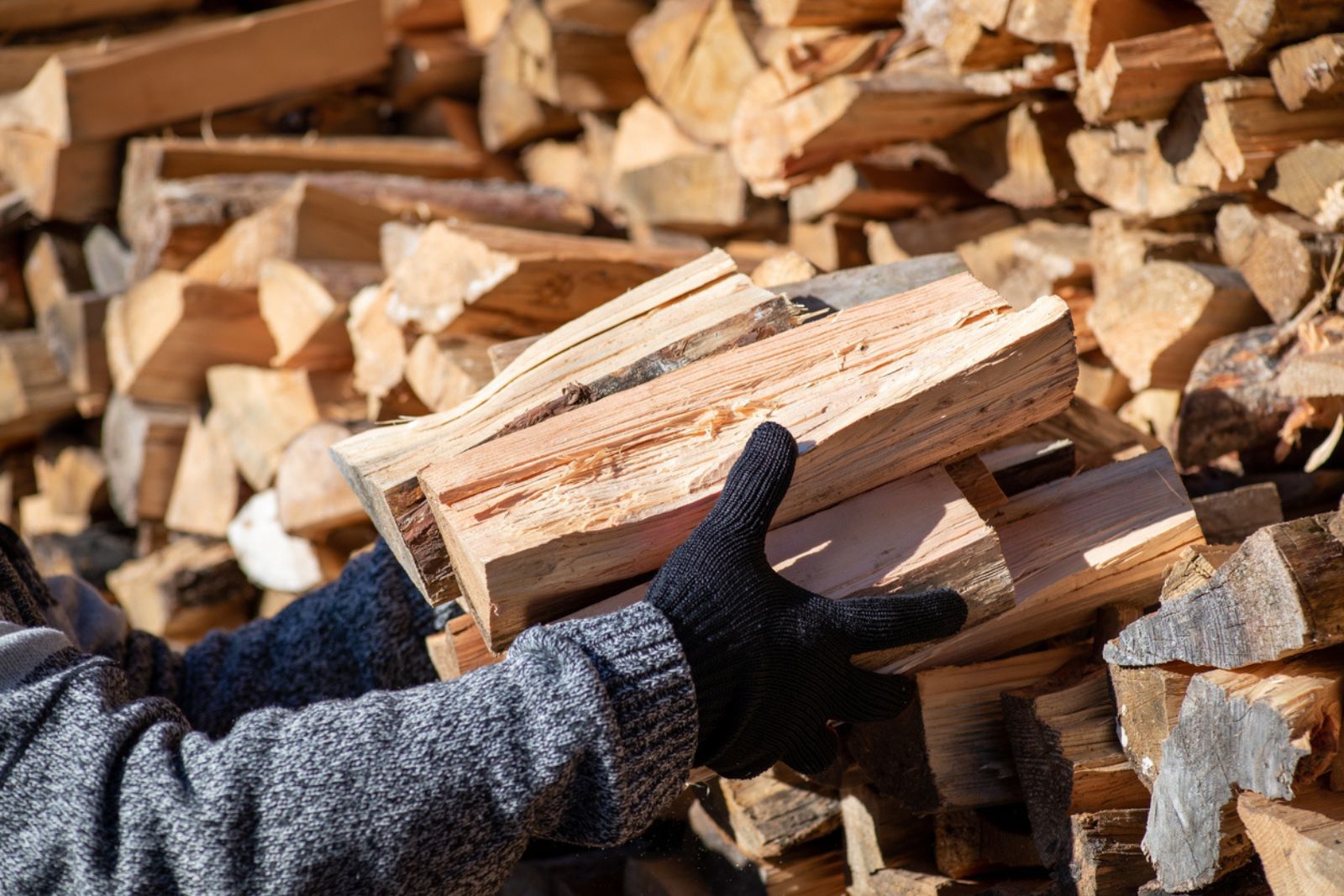
According to Hunker, a cold-climate home needs about two to three cords of wood for the season when the stove is the primary heat source for 1,000 square feet. In a warmer climate, the same space takes one to two cords. House Digest gives the same ranges and adds that moving a few hundred miles south from the northern states can cut firewood needs by 25% to 50%.
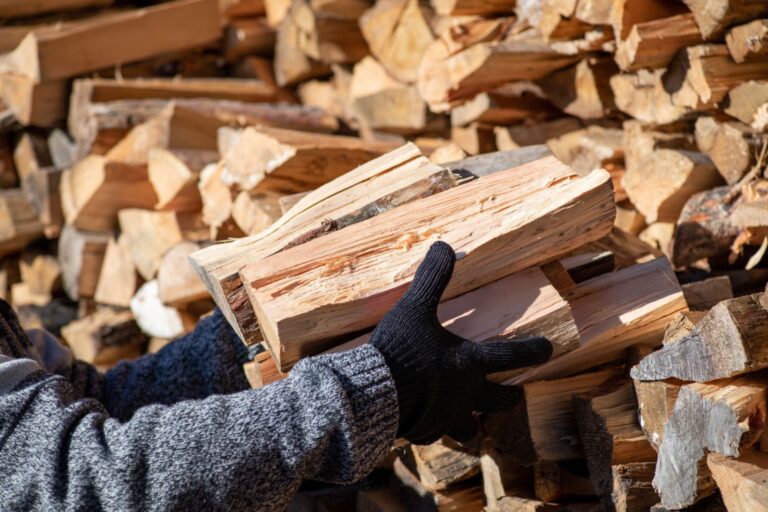
A cord is a specific amount: 128 cubic feet of tightly stacked wood, or a stack 4 feet high, 4 feet deep and 8 feet long, House Digest explains. It puts the average price at about $300 a cord, with a range of $150 to $500 or more. By my math, two to three cords at that average comes to roughly $600 to $900 for a cold-climate winter.
Why the range? House Digest lists stove efficiency, insulation, whether you heat the whole house or one room, the temperature you like and your experience with the stove. Newer, more efficient stoves get more heat from the same wood, and a drafty, poorly insulated house burns through it faster. The species matters too: dense, well-seasoned hardwoods such as oak burn longer and hotter.
How to figure your own amount, step by step
- Start with your square footage. Use two to three cords per 1,000 square feet in a cold climate, or one to two in a mild one.
- Adjust for your house. Add wood for a drafty, poorly insulated home. Subtract if the stove only supplements another heating system or runs occasionally.
- Adjust for your stove. An older, less efficient stove needs more wood than a newer one.
- Round up. Hunker advises rounding up to the nearest half or full cord.
- Buy dry wood. The EPA says wood burns best at a moisture content of less than 20%, recommends seasoning it for at least six months and testing it with a wood moisture meter before you burn it.
- Store it right. Keep wood outdoors, off the ground, with only the top covered, since the EPA says covering the sides traps in moisture.
Plan B if you run short mid-winter: House Digest notes that kiln-dried wood is more efficient than regular seasoned wood, though it costs more, so a smaller top-up can go further.
Limits and safety
These are rules of thumb, not guarantees. A long, cold winter or a stove that runs all day can push you past the top of the range, so extra wood is cheap insurance if you have room to store it outside.
Burn safely. The U.S. Fire Administration says to keep anything that can burn at least 3 feet from all heat sources, and the Consumer Product Safety Commission says carbon monoxide alarms belong on every level of the home and outside sleeping areas. The EPA warns against burning household trash, cardboard, plastics or colored-ink paper, which can release toxic chemicals.
If you’re planning a new hearth to go with the wood, these fireplace tile ideas are a good place to start.
Two to three cords per 1,000 square feet, seasoned and stored outside. That’s the trick.