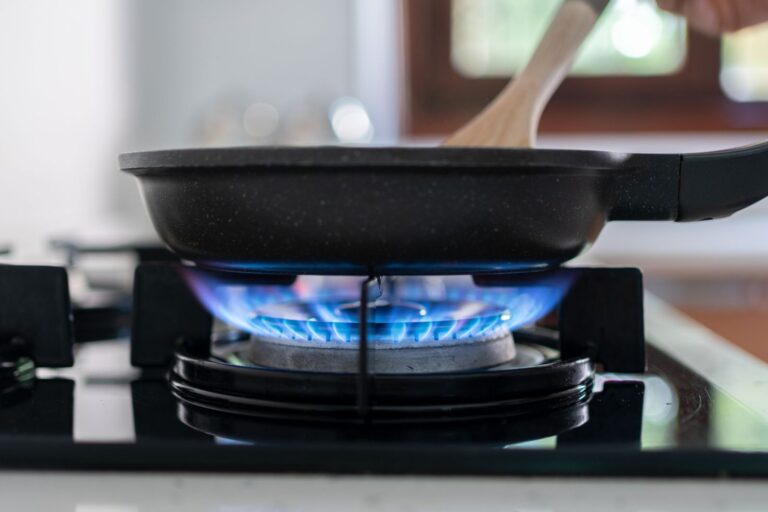
You turn the knob, the burner catches, and you reach for the pan without a second look. Maybe one burner has looked different for a while: taller, lazier, with soft yellow tips curling up the sides of the pot. Dinner still cooks, so it never seemed worth a second thought.
This is not your fault. Almost nobody is taught to read a flame. But its color shows how well the gas is burning, and a mostly yellow flame is one of the few kitchen warning signs you can actually see.
What the color is telling you
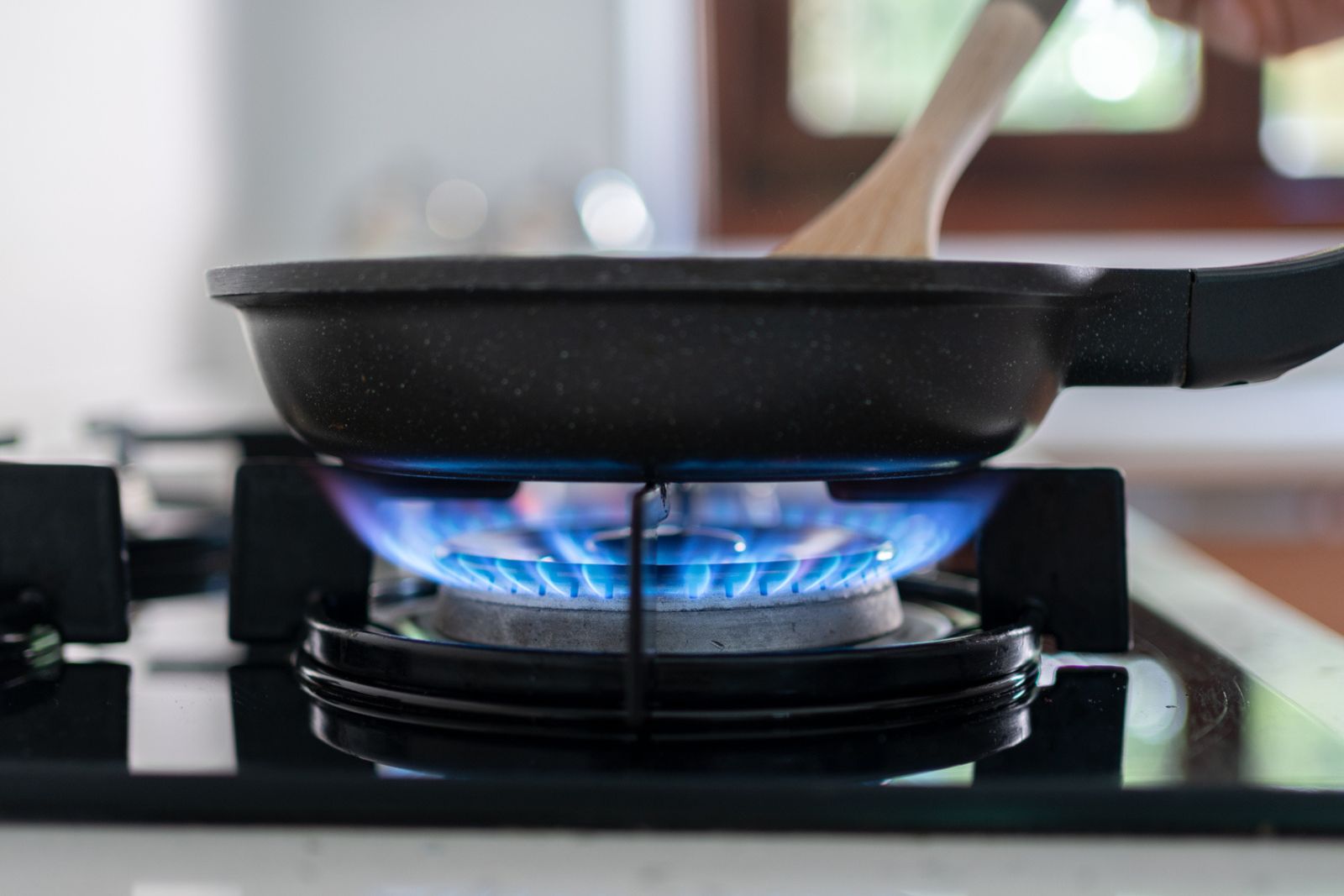
According to Dominion Energy, the flame in a gas appliance should generally be blue, possibly with flecks of orange. A few orange flickers are not the problem. The warning sign is a flame that is mostly yellow: the utility says that means the gas is not burning completely and is giving off carbon monoxide.
That matters because the early signs are easy to blame on something else. Dominion lists dizziness, headaches, a queasy stomach and drowsiness as symptoms of carbon monoxide poisoning, and warns that continued exposure can cause death.
So why does a burner go yellow? Whirlpool’s help pages for gas ranges point to a few common reasons: a burner cap that isn’t seated correctly, clogged burner ports, or, on a range running on propane, a conversion that wasn’t done properly.
What to do, in order
- Turn the burner off and let it cool. Don’t handle the cap or the burner base while they’re hot.
- Check the cap. Whirlpool says the cap should sit flush with the burner base, with very little side-to-side movement. If it’s crooked, reinstall it with the alignment pins lined up.
- Clean the ports. Boil-overs can block the small openings the flame comes through. Whirlpool advises cleaning the burner area after a spillover and as part of routine cleaning. Follow your own range’s manual for how to do it.
- Light it and look again. If the flame is back to blue, with maybe a fleck of orange, you’re done.
- Still mostly yellow? Stop there. Plan B is a professional, not more tinkering. Dominion recommends having natural gas appliances inspected regularly by a licensed contractor, and on a propane range, Whirlpool says to verify the conversion against the installation instructions.
The safety habits that matter more than the flame
Even a perfect blue flame doesn’t replace a carbon monoxide alarm. The Consumer Product Safety Commission says CO alarms should be installed on each level of the home and outside sleeping areas. It recommends testing them monthly and replacing the batteries once a year.
Two more rules come straight from Dominion. Don’t use a gas range, oven or clothes dryer to heat your home, even on the coldest night. And if you suspect carbon monoxide, get to fresh air as soon as possible, because every second counts. The stove can wait until everyone is outside.
Ventilation helps with everyday cooking, too. A range hood that pushes air outside clears gases and particles while you cook, and if yours barely pulls any air, a clogged grease filter is often the reason. Just don’t treat a strong fan as a fix for a yellow flame. Only a burner that burns properly does that.
Blue means the gas is burning the way it should. Mostly yellow means it’s time to call someone. That’s the trick.