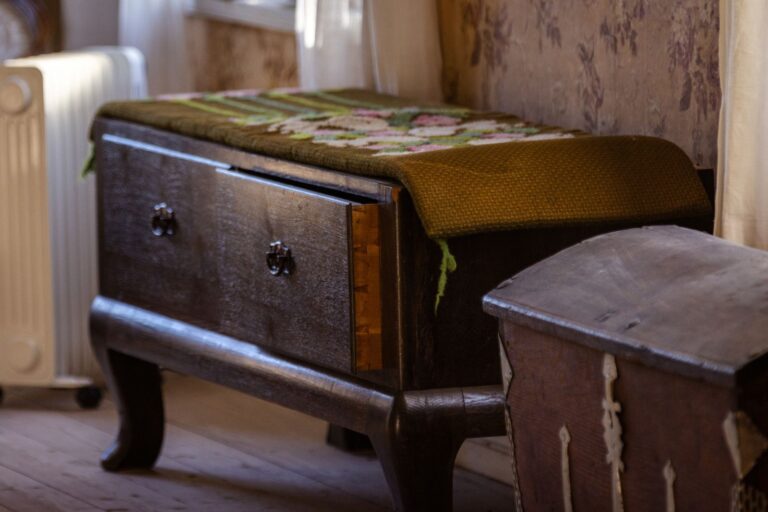
You found it at an estate sale, or it came from your grandmother’s house. Solid wood, sturdy drawers, the kind of piece nobody seems to build anymore. Then you opened a drawer. That damp-basement smell rolled out, and a week later it was in the sweaters you folded inside. Two rounds of air freshener later, the drawer still smells like an old cellar.
This is not your fault, and the dresser isn’t a lost cause. A spray can’t fix it, because the smell isn’t floating in the air. It’s in the wood.
Why old drawers hold on to the smell
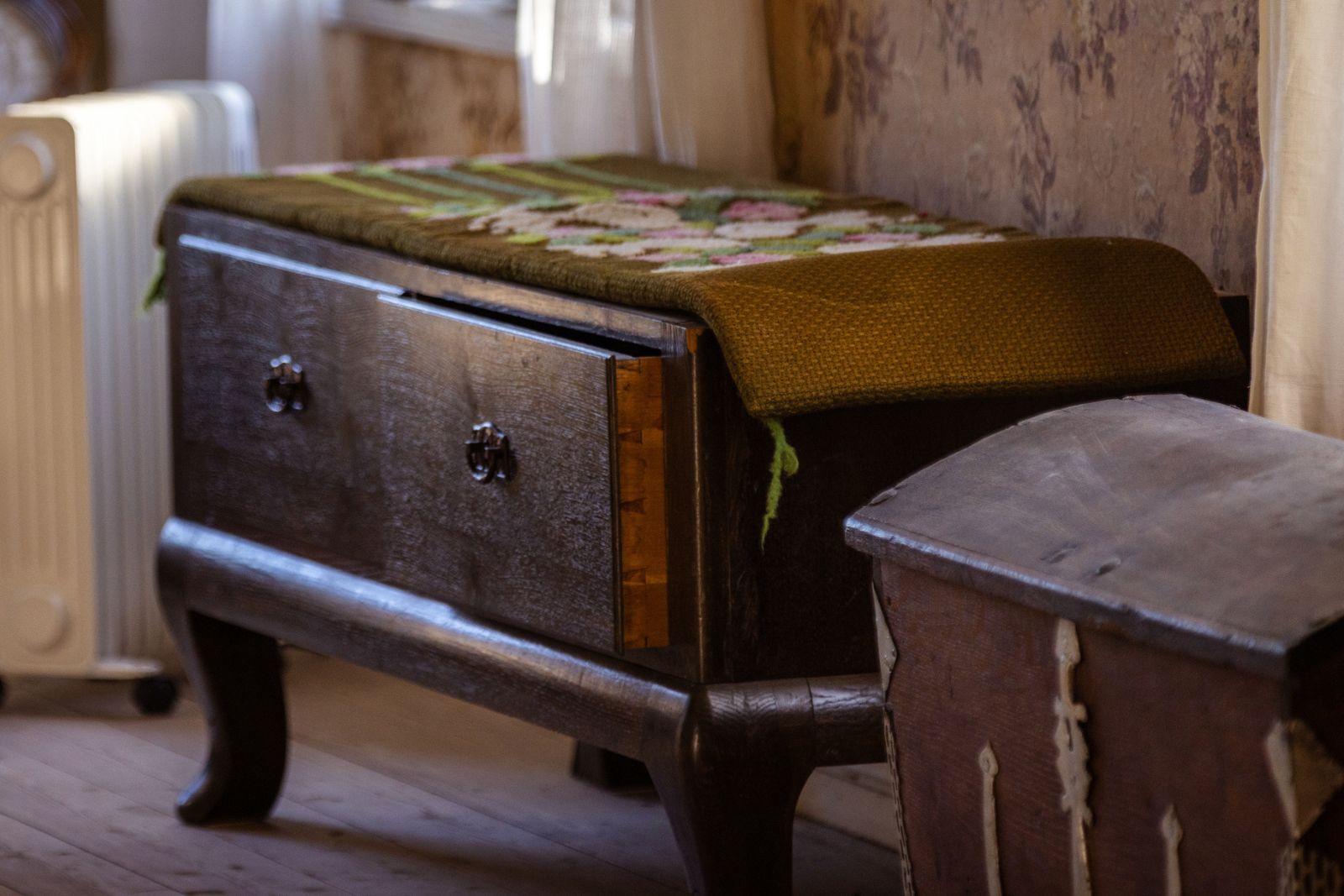
As Hunker’s guide explains, excess moisture is what gives furniture that musty scent, and the odor tends to concentrate in the drawers because they see little air movement or light. Old drawers can also hold the smell in the glue used to build them. Closed up for years, they never get a chance to dry out.
That’s why one quick wipe rarely works. The fix goes in layers: dry the wood, clean the surface, then give the odor a full day to come out.
The 24-hour fix, step by step
- Sun first, but not too long. Pull the drawers out and set them in direct sun for two to three hours. Hunker warns that prolonged direct sunlight can warp and fade the wood, so don’t leave them out all afternoon.
- Wipe with white vinegar. Spritz the inside of each drawer with undiluted white vinegar, or an oil soap, and wipe. Repeat until the cloth comes up clean.
- Baking soda for 24 hours. While the drawers are still damp, sprinkle them with baking soda and leave it for 24 hours. Then brush it out and vacuum thoroughly.
- Leave a dish inside. Set an uncovered dish of baking soda or charcoal in each drawer. Hunker says to replace it every two to three days until the musty scent is gone.
Plan B, if the smell survives all that: Hunker’s last resort is sanding the inside of the drawers with 180-grit sandpaper, wiping them with a damp cloth and waiting three days to let the wood breathe. Sanding can strip the interior finish, so the guide suggests sealing it with two to three coats of polyurethane or spray lacquer.
Keeping it fresh, and when to be careful
Moisture caused the problem, so controlling moisture keeps it from coming back. Hunker recommends keeping the room at around 55 percent humidity, a level it calls wood-friendly. If the dresser sits in a damp room, expect the smell to return sooner.
Be careful before sanding a painted piece. The EPA lists refinishing old furniture among the jobs that can expose people to lead, and notes that homes built before 1978 are more likely to have lead-based paint. If you must sand, the agency says to wet the area first, sand the minimum area needed and clean up thoroughly. With a very old painted dresser, a professional refinisher is the safer call.
And if part of the reason you wanted a new dresser was extra space, a $20 closet upgrade might free up more room than another piece of furniture would.
A few hours of sun, a vinegar wipe and a full day of baking soda. That’s the trick.