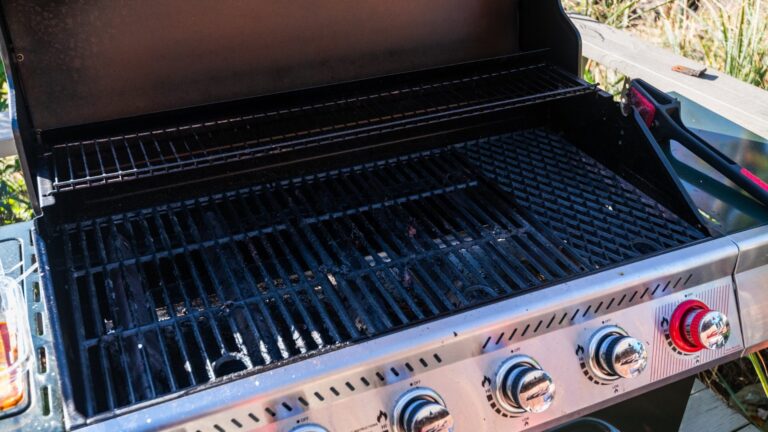
Picture this. The grill is screaming hot. You slice an onion for the burgers, and before any food hits the grate, you spear the leftover half on a long fork and scrub it hard across the hot bars. Steam shoots up. A smoky-sweet onion smell fills the backyard. Old black crust drops through the grate.
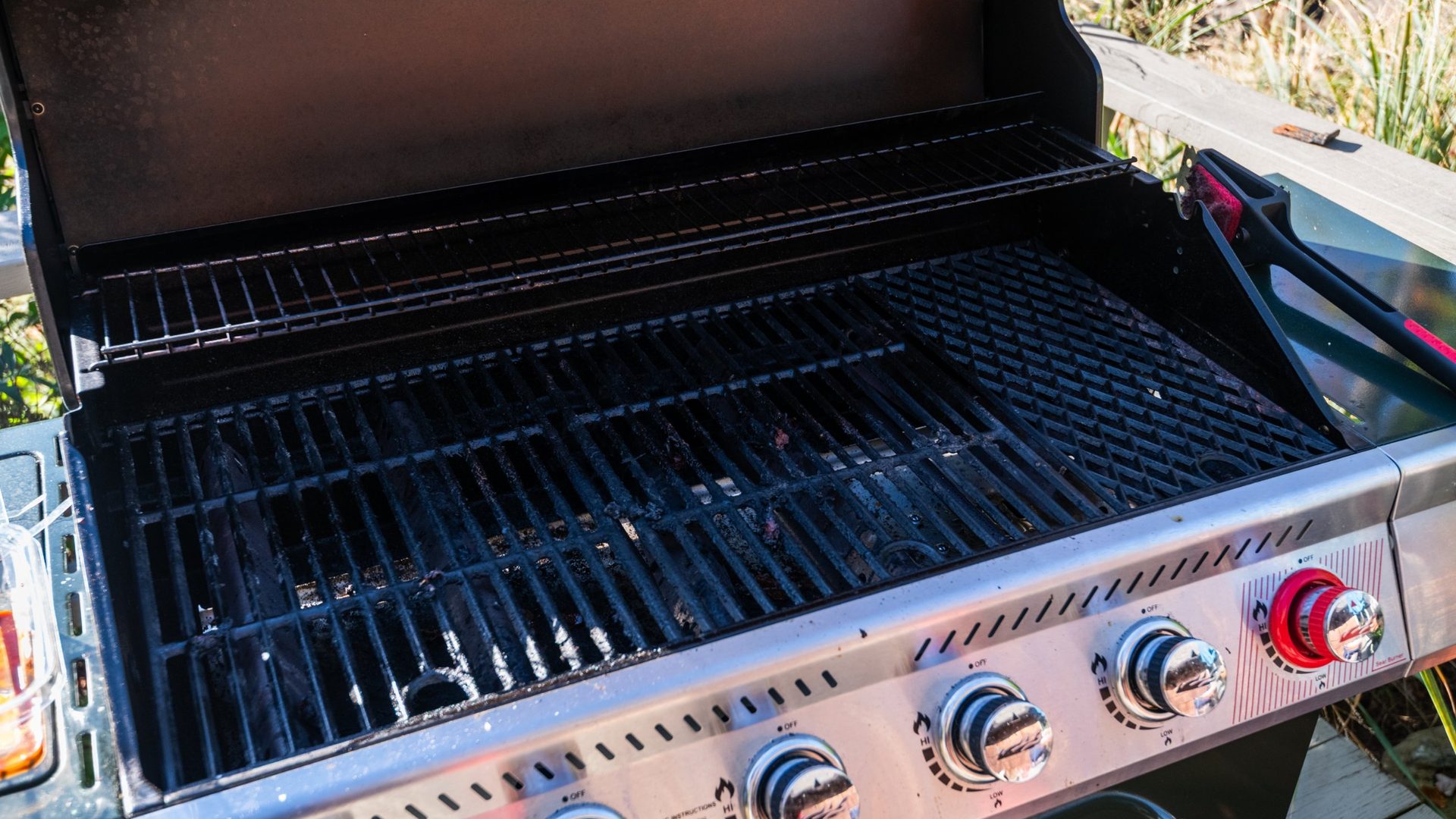
Looks a little odd, right? That’s exactly the point.
This isn’t a TikTok trick or a crunchy fad. It’s one of the oldest moves in Argentine BBQ kitchens, where cooks have been doing it for generations. The strange part is what’s happened in the last few years.
Big grill brands have started quietly recommending it. Famous TV cleaning hosts rave about it. Even emergency room doctors in the United States have been pushing American backyard cooks to try it.
Not for taste. Not for being “greener.” For something a lot more serious.
And here’s where it gets interesting. It isn’t really about the onion at all.
The onion is just the stand-in. It’s quietly replacing something almost every American family has had in the garage for 20 or 30 years. Something cheap. Something fast. Something nobody ever stops to think twice about. Something that was never on anyone’s list of worries.
For as long as backyard grills have existed, there’s been one go-to tool for after the cooking. It gets handed down from one owner to the next. Nobody questions it. Nobody reads the fine print. It isn’t the kind of thing you’d bring up with your doctor.
Yet even the companies that make and sell that tool are now quietly steering customers toward the onion method between deep cleanings. The brand that profits from it is nudging you to put it down. Something in the data finally made them speak up.
If you own a grill, this one small swap is worth knowing about. It takes about a minute (roughly 60 seconds). It costs almost nothing. And once you see what the pros know, you probably won’t go back to the old way.
Why doctors want you to put the brush down
That trusted tool is the stiff wire grill brush. The problem is what it leaves behind: tiny metal bristles that break off, stick to the hot grate, and end up buried in the next burger or steak.
In 2012, the CDC reported six adults from one Rhode Island hospital who did exactly that, with injuries ranging from a punctured neck to a torn gut that needed emergency surgery. A later University of Missouri study estimated that 1,700 Americans landed in ERs between 2002 and 2014 after swallowing a grill-brush bristle. One in four were admitted overnight. Dr. Robert Glatter, an ER doctor at Lenox Hill Hospital, now tells reporters cooks should drop the wire brush and switch to something safer.
The fix the pros reach for
The pros’ answer is almost too simple. Half an onion.
Dan Cooper, Head Grill Master at Weber, told Woman & Home that his personal cleaning kit is a scraper, a cloth, a stainless-steel spray, and yes, an onion. His advice: after a quick scrape, “using half a raw onion on the end of a BBQ fork, scrub the grates back and forth.” He does it every time he grills. British TV host Lynsey Crombie, the Queen of Clean, backs the exact same move.
Why does it actually work? The onion is mostly water, so on a hot grate it flashes into steam and lifts baked-on gunk loose. The acid and sugar in the juice break down burnt-on grease. The thick flesh works like a soft scrub pad. And the hot grate itself kills the germs. The onion is just the scrubber.
No metal bristles. No harsh chemicals. No weird taste on tomorrow’s chicken.
How to do it (one minute, start to finish)
- Heat the grill with the lid closed for 10 to 15 minutes. The grate should be hot enough that a water drop sizzles off right away.
- Cut a yellow or white onion in half, through the root end so it holds together.
- Stick it on a long BBQ fork (or long tongs), cut-side down. Wear a heat-safe glove.
- Press down firmly and scrub along each bar, not across. Rotate when the cut side gets dark.
- Close the lid for 2 more minutes to burn off any sugar, then start cooking.
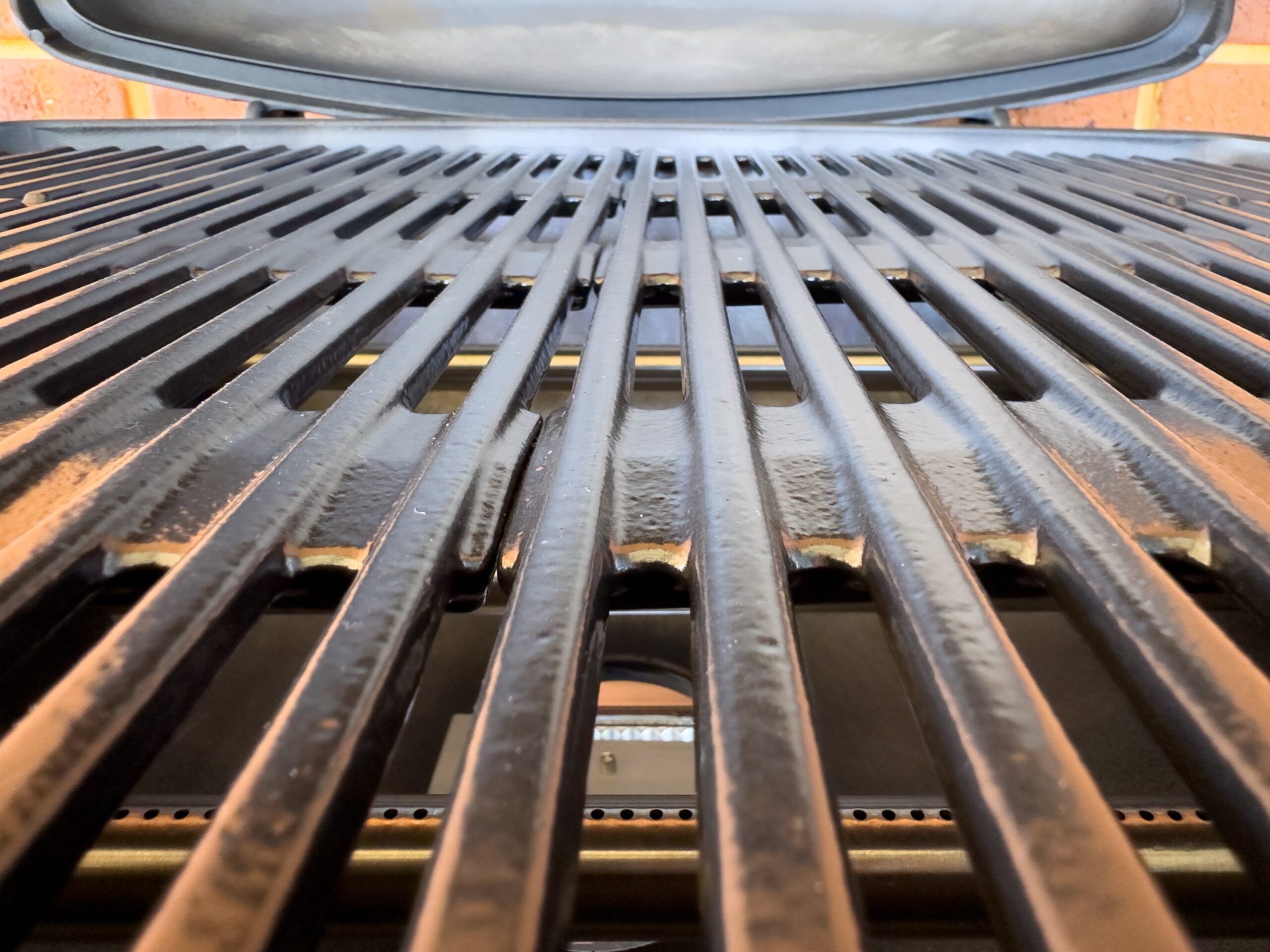
Quick honest note: this is for routine cleanup, not a disaster. A heavily rusted grate still needs a deeper clean (a foil ball on hot grates, or a vinegar soak). And don’t try it on a cold grill.
Sources: (1) CDC MMWR, Injuries from Ingestion of Wire Bristles from Grill-Cleaning Brushes, Providence, Rhode Island; (2) University of Missouri School of Medicine study on grill-brush bristle ER visits, 2002 to 2014; (3) Woman & Home, interview with Dan Cooper (Head Grill Master, Weber) and Lynsey Crombie; (4) LiveScience coverage of the CDC report, with Dr. Robert Glatter commentary.