You bought a nice bag of mixed greens on Sunday. You rinsed them, patted them dry, and tucked them into the crisper drawer like you always do. By Wednesday, you open the fridge and it’s a dark, slimy mess.
If that sounds like your week, you’re not alone. A OnePoll survey with HelloFresh found lettuce is the number-one most-wasted food in American homes. USDA data backs it up: leafy greens are the most-wasted type of fresh produce, with roughly 30% going straight to the trash. The Natural Resources Defense Council estimates we waste close to 40% of what we buy.
Now, the odd part. Walk into the kitchen of someone who’s been cooking for 50 years and open their fridge. More often than you’d think, there’s one folded sheet of plain newspaper laying flat on the floor of the crisper drawer. Not torn. Not wrapped. Just sitting there, under the vegetables.

Ask them why and they’ll smile and say, “That’s how my mom did it.”
So what’s it actually doing in there?
It isn’t the greens. And it isn’t the fridge.
Most people blame the greens (“these must’ve been old”) or the fridge temperature. Both are usually fine.
Washing them first doesn’t fix it. A fancy salad keeper doesn’t fix it. Moving them to a different shelf doesn’t fix it either. They still slime out by day four.
The crisper itself isn’t the problem. It’s designed to hold a little extra humidity so your greens don’t dry out, and that part works like it’s supposed to.
Some even blame ethylene, the ripening gas apples and bananas give off. True, leafy greens hate ethylene, but keep them in a separate drawer and they still turn to slime by midweek. Ethylene isn’t the full story.
So if the fridge is doing its job, the greens are fine when you buy them, and the usual tricks don’t help, something else is quietly going wrong between Sunday and Wednesday.
The real reason your greens turn to slime
Leafy greens are about 95% water, and food storage experts at the USDA note that they keep breathing even after they’ve been picked and bagged. That slow breathing lets off tiny amounts of water the whole time they’re sitting in your fridge.
That water doesn’t just float around. It collects. It settles into a thin film against the leaves pressed to the bottom and sides of the bag.
That film is the real reason your greens go slimy. It softens the leaves from the outside in, which is why the brown mush always starts at the edges and the bottom, never from the middle.
A 2024 MDPI study on how leafy vegetables break down after harvest confirmed it: water sitting on the leaf surface is the main cause of fresh produce going bad.
What the sheet is really for
The folded sheet works like a one-way sponge for the drawer. Your greens keep their little pocket of damp air (which they need to stay crisp), but any liquid water that would normally pool on the drawer floor gets soaked up into the paper fibers instead of sitting against the leaves.
Allrecipes and Reader’s Digest both back the same idea, usually using a paper towel as the modern stand-in. Newspaper does the identical job for free.
Food storage data cited by the USDA says properly stored salad greens can last 10 to 14 days, versus the 3 to 4 days most of us get at home. For many households, this one habit cuts salad-greens waste roughly in half.
One thing to know before you try it
One honest note most online hacks skip: Hong Kong’s Centre for Food Safety and India’s FSSAI both warn against wrapping food directly in newspaper because printing inks can rub off onto food. It’s a fair concern.
The safe way is also the way the older generation always did it:
- Put the sheet under the greens as a floor liner, not wrapped around them.
- Keep your greens in their own bag or container on top. No direct leaf-to-ink contact.
- Use plain black-and-white newsprint, not glossy color inserts.
- Swap it when it feels damp (usually every 3 to 4 days).
- If you’d rather skip the ink question, a paper towel does the same job.
The 10-second routine
- Fold a sheet of plain newsprint to fit the bottom of your crisper drawer.
- Lay it flat across the floor. Set your bagged or boxed greens on top.
- Keep apples, bananas, tomatoes, and avocados in the other drawer. They give off ethylene, which leafy greens are very sensitive to and which speeds up the slime.
- Swap the sheet whenever it feels damp.
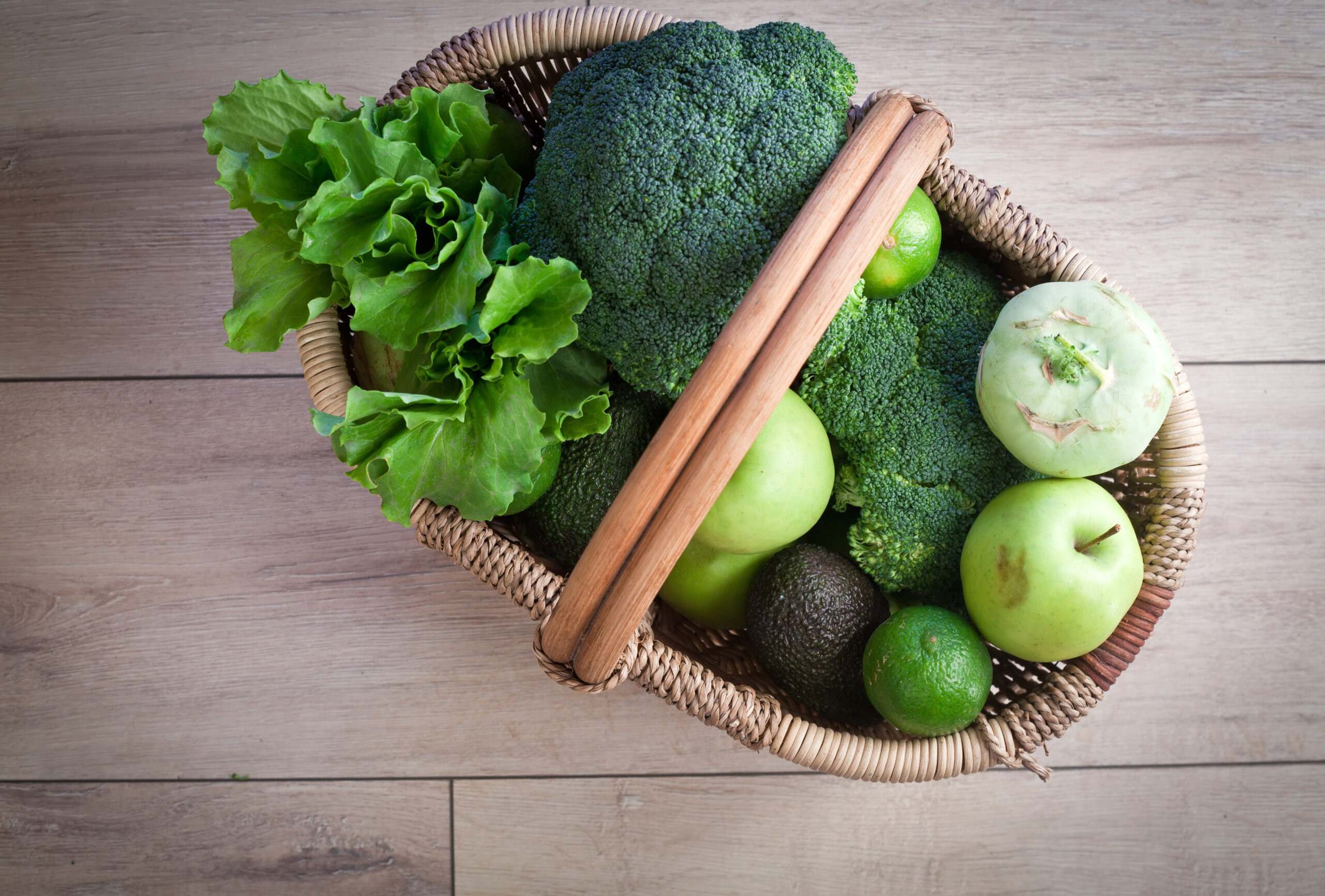
That’s the whole trick. No special containers, no new routines, nothing to buy. One free sheet of paper buys you an extra week of good greens.
Sources: (1) USDA Food Loss and Food Waste; (2) NRDC Food Waste; (3) OnePoll/HelloFresh Food Waste Survey, via The Daily Meal; (4) Allrecipes: The Easy Trick That Keeps Salad Greens Fresh; (5) Reader’s Digest Canada: Why You Should Put Paper Towels in the Fridge; (6) Shezi et al., Postharvest Quality Deterioration in Leafy Vegetables, MDPI 2024; (7) Hong Kong Centre for Food Safety: Practical Tips for Storing Vegetables; (8) FSSAI Advisory on Newspaper Food Packaging, via The Quint