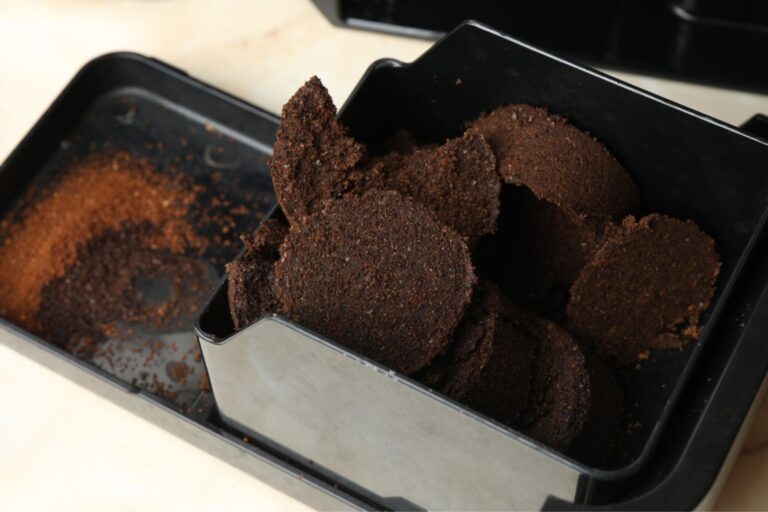
The morning pot is done, and the filter basket is full of wet, dark grounds. The trash can is across the kitchen, the sink is right there, and the toilet down the hall seems even easier: one flush and they’re gone. Weeks later, the bathroom drain gurgles, the kitchen sink empties slower than it used to, and nobody can say why.
This is not your fault. Used coffee grounds look like fine, soft sand that water should carry away. They don’t, and the trouble builds slowly, out of sight, long after the last flush.
Why grounds don’t just wash away
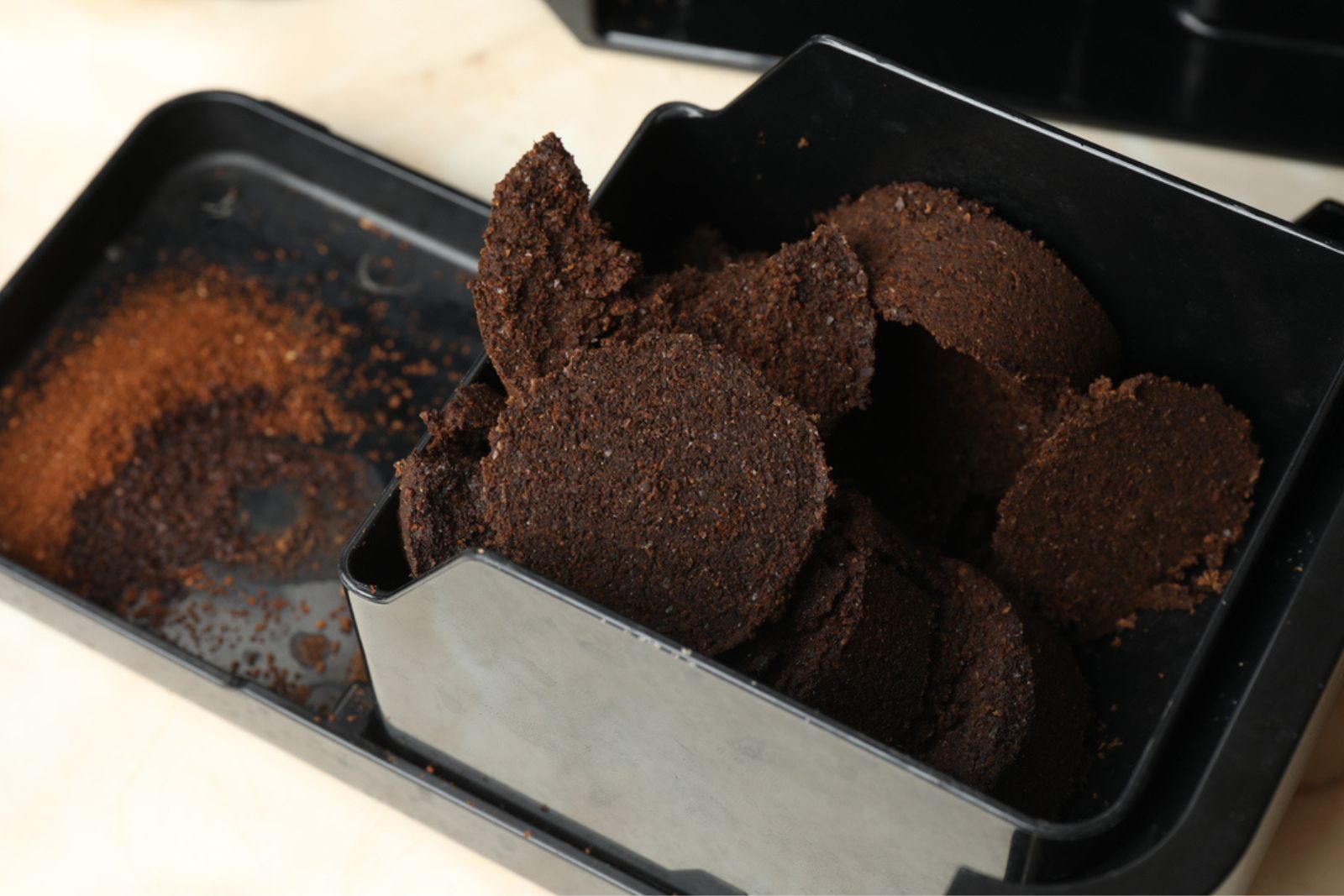
Plumbing company Hoffmann Brothers puts it plainly: “Coffee grounds do not break down or dissolve easily once inside plumbing pipes.” Instead, they tend to stick together into dense clumps, and those clumps attract grease and oils already in the pipes. They cling to pipe walls, especially where grease, soap residue or hair have built up, and over time they can contribute to serious clogs.
Septic systems have it worse. According to Hoffmann Brothers, flushed grounds can interfere with a septic tank and slow its natural decomposition. Even on city sewer, they add stress to the system and to treatment plants.
The kitchen sink is no safer. Plumbing company Bill Howe notes that spent grounds are highly fibrous, won’t break down in water and stick to the inside of the drain line, and it lists them among the things to keep out of a garbage disposal.
Cities say the same. The City of Tacoma’s What Not to Flush guide lists coffee grounds next to egg shells and nutshells, and sets a simple rule: just toilet paper and human waste. It also points out that sewer pipes are often no wider than 4 inches.
Where your grounds belong
- The trash, the easy way. Let the grounds cool, then tip them into a bag or container and put it in the household trash, as Hoffmann Brothers recommends.
- A food waste program. If your city collects food scraps, grounds can go there. Tacoma points residents to its food waste recycling program or home compost.
- The compost bin. Cornell University’s soil team classifies coffee grounds as a green, nitrogen-rich material. Aim for 1 to 4 parts brown material, like dry leaves or paper, for each part green, and keep any single ingredient to no more than 20% of the pile.
- Straight into the garden, lightly. Cornell’s advice for spent grounds is to work them into the soil and never add more than a few ounces per square foot. Fresh, unused grounds are a different story: they can dramatically lower soil pH and aren’t recommended as fertilizer.
Plan B if grounds already went down the sink: Bill Howe suggests slowly pouring a large amount of hot water, taking care with plastic pipes, then half a cup of baking soda and half a cup of white vinegar left to sit for about an hour. A plunger comes next, with the other side of a double sink covered.
When it’s time to call a plumber
Home fixes have limits. If a drain starts to smell or overflow, or backs up right after grounds go down, there is likely a bigger blockage farther down the line, and that’s a job for a plumber with a snake or auger. In Tacoma, homeowners are responsible for maintaining the side sewer that connects the house to the city’s main line, so a clog there is theirs to fix.
Go easy in the garden, too. Cornell notes that some research has shown stunted growth and reduced germination in soils with high, 25% levels of coffee grounds.
Cool them, bin them, or compost them, but keep them out of every drain. That’s the trick.