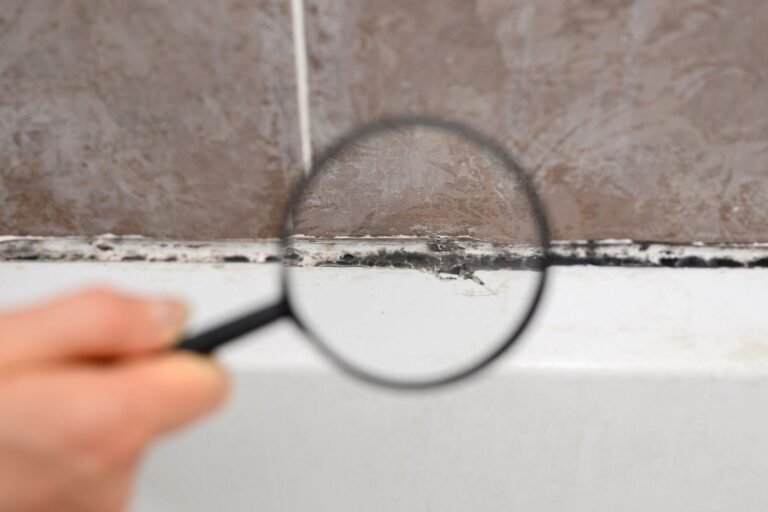
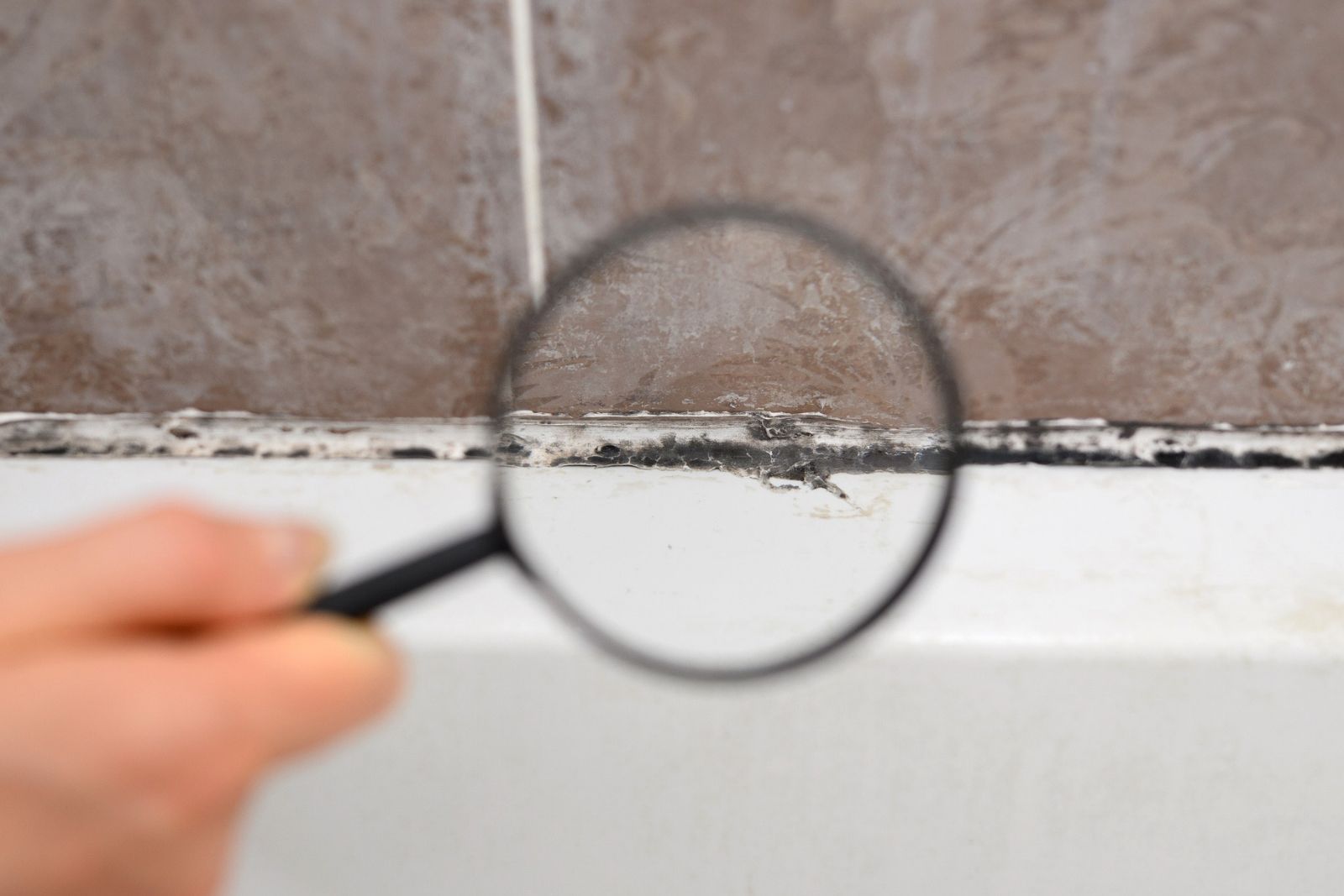
The black dots show up again along the bottom of the shower, right where the caulk meets the tub. You spray bleach, the line turns white, and the bathroom smells like a swimming pool for an hour. Three weeks later, the dots are back in the same spot, as if nothing happened.
This is not your fault. Bleach makes the stain look gone, so it feels like the job is done. But the reason mold keeps returning isn’t the cleaner you chose. It’s the water that stays behind.
Why bleach isn’t the answer to mold that keeps coming back
In its guide to mold and moisture at home, the EPA says chemicals that kill mold, chlorine bleach for example, are not recommended as a routine practice during mold cleanup. The guide’s message is simple: mold needs moisture, and if the water problem isn’t fixed, the mold comes back.
A shower is the perfect setup for that cycle. Water sits in the joint after every shower, the room stays humid, and the caulk line never fully dries. Whatever you spray on it, the conditions that grew the mold are back the next morning.
The EPA’s cleanup advice is plain on purpose: “Scrub mold off hard surfaces with detergent and water, and dry completely.” And if you do use bleach at some point, the guide is firm about one rule: never mix chlorine bleach with cleaning products that contain ammonia, because the combination can produce toxic fumes.
The cleanup, then the habit that keeps it away
- Gear up. The EPA recommends long gloves that reach the middle of the forearm and goggles without ventilation holes, and suggests you may want to wear an N-95 respirator.
- Scrub with detergent and water. Work along the caulk line and the tile or tub edge next to it.
- Dry it completely. Wipe the joint dry, then leave the fan running or a window open so the area doesn’t stay damp.
- Vent every shower. The EPA advises running the bathroom fan or opening a window when you shower, and keeping indoor humidity below 60%, ideally between 30% and 50%.
- Fix the water source. Repair leaks as soon as you find them, and dry any water-damaged area within 24 to 48 hours to prevent mold growth.
Plan B if the black stays after scrubbing: the stain is likely in or under the caulk itself, not on top of it. The EPA notes that absorbent or porous materials may have to be thrown away once they become moldy, and caulk is the part of a shower you can replace.
When it’s time to recaulk, and when to call a pro
Sealant maker DAP says caulk needs replacing when it shows signs ranging “from pulling away from the joint to stains that can’t be cleaned.” Its method: remove the loose caulk with a flexible putty knife, wash off soap residue and mildew, rinse, let the joint dry, then apply a 100% silicone kitchen and bath sealant and smooth it with a caulk tool, a wet spoon or a gloved finger. Follow the cure time on the tube before the shower gets wet.
One honest note: DAP’s own guide suggests a 1 part bleach to 10 parts water wash before recaulking. That’s a one-time prep step, not the routine cleanup the EPA advises against. If you go that route, ventilate the room and keep ammonia products far away.
Size matters too. The EPA says you can usually handle mold yourself if the area is less than about 10 square feet. For anything larger, the guide points you to a professional.
Scrub, dry, vent, and recaulk when the stain won’t budge. That’s the trick.