My friend Rae has one house rule that stops guests mid-sentence. She won’t keep a single pill in her bathroom medicine cabinet. Not her thyroid tablets. Not her kid’s antibiotics. Not even the store-brand ibuprofen. When I asked her why, she looked at me like the answer was obvious and said, “The date on the bottle isn’t the date that actually matters.”
Rae isn’t a doctor. She isn’t the type to panic about anything. She’s a nurse who spent one afternoon at her pharmacy trying to figure out why her blood pressure pills didn’t feel like they were doing much anymore. Whatever she learned that day is why every bottle in her house now sits in a dresser drawer in the guest bedroom, and why she rolls her eyes every time a home magazine uses the words “medicine cabinet.”
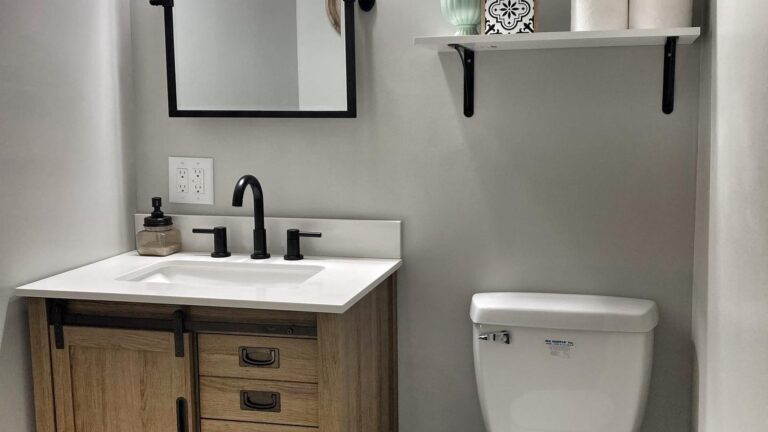
Most of us do the opposite without a second thought. We bring the bottle home, we open that little mirrored door above the sink because that’s what it’s for, and then we forget about it. The label says “expires 08/2027,” so we figure we’re fine until August 2027. That’s the number on the bottle. That’s the number the pharmacist circled.
But almost nobody tells you this: that date is only a promise if the bottle was kept the way the maker planned. The second it leaves the pharmacy, keeping that promise is on you. And the room most Americans have quietly chosen to keep it in is, according to the pharmacists who work with these drugs every day, one of the worst rooms in the house for the job.

What the label is really telling you
Every pill sold in the US is tested under specific storage conditions before the expiration date is set. The US Pharmacopeia, which sets the rules the FDA uses, says the sweet spot is 68 to 77°F (20 to 25°C), with humidity kept under 60 percent. That’s the setup the expiration date is based on. Keep the bottle in that range and the label is honest. Push it outside that range and the label is guessing.
The FDA’s own guidance on expiration dating says the same thing in plainer words: a pill’s quality at its expiration date depends on it being kept under normal storage conditions, and moisture-sensitive drugs can only be trusted if the packaging can actually block that moisture out.
Most pharmacy bottles can’t. That child-proof amber cap is built to keep small hands out. Not water vapor.
The room almost every American picks anyway
In 2021, a study in the journal Innovations in Pharmacy looked at how 154 US households actually store their pills. Researchers put temperature and humidity sensors in real homes, room by room, and let them run. What they found should embarrass every home builder in the country.
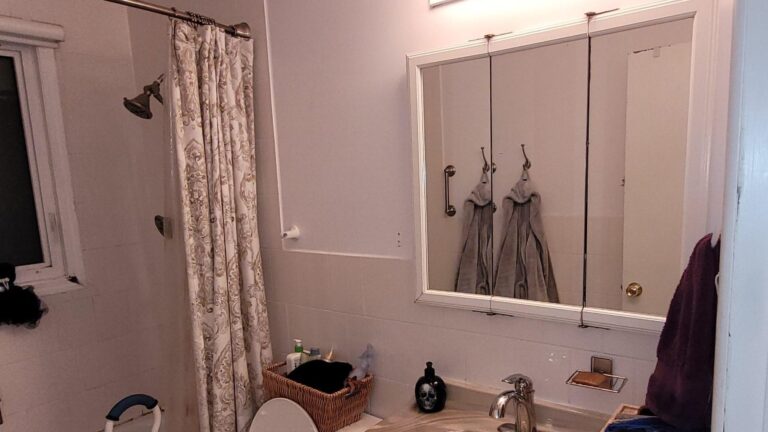
The bathrooms they measured swung from 56.8 to 88.7°F (13.8 to 31.5°C), and humidity ran anywhere from 33 percent all the way up to 100 percent. That’s not a typo. One hundred percent. And only 23 percent of the households in the study were keeping all of their pills in a spot that actually met the rules on the label. The other three out of four were, without knowing it, running a slow chemistry experiment on their own prescriptions.
Selig Corman, a pharmacist with the Pharmacists Society of the State of New York, put it about as plainly as a pharmacist can in an interview with ABC News: “The medicine cabinet in the bathroom is the worst place.” He wasn’t being dramatic. He was talking about what actually happens to a pill when heat and moisture get to it. An egg at high heat becomes cooked, he pointed out. Something similar happens to certain tablets and capsules. The chemistry of the drug changes.
So what does that mean for the pills sitting in your cabinet right now? This is the part almost nobody explains.
The real problem starts before “expired”
The bottle doesn’t fail on its expiration date. It starts failing every time you take a hot shower.
A hot shower spikes the humidity in a small bathroom to 70 to 90 percent for long enough that water vapor slips right past a plastic cap. That vapor is what kicks off the chemical breakdown inside the bottle. And it starts on day one, not on the printed date.
Take plain old aspirin, the cheapest bottle in most American homes. When aspirin sits in humid air, it soaks up moisture and slowly breaks apart into two other things: acetic acid, which is basically vinegar, and salicylic acid. Salicylic acid on its own is sold in the same drugstore as a wart and corn remover. That’s what a bathroom-stored aspirin can quietly turn into. Not just weaker, but a different substance, and one that can irritate your stomach. Corman flagged this exact reaction in the same ABC interview.
Capsules do something worse. Their gelatin shells soak up moisture, get soft, and stick together. For a regular capsule, that just means a gummy pill. For an extended-release capsule, the kind built to release the drug slowly over 12 or 24 hours, the coating that controls the timing can fail. When that happens, the whole day’s dose can hit your body at once. Abby Case, a clinical pharmacist at St. Joseph’s/Candler in Georgia, has warned publicly that this is one of the biggest risks of storing capsules in a humid bathroom.
Then there are the drugs where even a tiny drop in strength matters more than it sounds. Levothyroxine, the thyroid pill more than 20 million Americans take every day, is dosed in micrograms, meaning millionths of a gram. FDA-cited stability research shows it breaks down faster with heat, light, and humidity. Nitroglycerin, the emergency heart pill, is so moisture-sensitive that even the sweat from your hand can weaken it. The CDC has warned separately that inhalers like albuterol can malfunction from heat, and that insulin loses strength when it’s kept too warm. Blood-sugar test strips, the little paper strips diabetics use to figure out how much insulin to inject, give bad readings after moisture exposure. A wrong reading means a wrong dose.
None of this shows up as a warning on the outside of the bottle. The pills look the same. The label looks the same. The expiration date still reads 2027. The drug is just quietly weaker, or in a few cases quietly different, than what the label promised.
What Rae does instead
The fix costs nothing and takes about three minutes.
Move every pill out of the bathroom. Prescriptions, over-the-counter pain relievers, vitamins, allergy tablets, test strips, the whole shelf. The new spot needs to stay cool, dry, dark, and out of reach of anyone in the house who shouldn’t get to it.
Do this:
- Use a closed dresser drawer in a bedroom, or a shelf in a hallway linen closet. Both stay much closer to that 68 to 77°F (20 to 25°C) range than any bathroom ever will, and both stay well under 60 percent humidity year-round in most homes.
- Keep pills in the original bottle. The amber tint blocks light, and the little silica packet inside is quietly doing real work. Don’t throw it out.
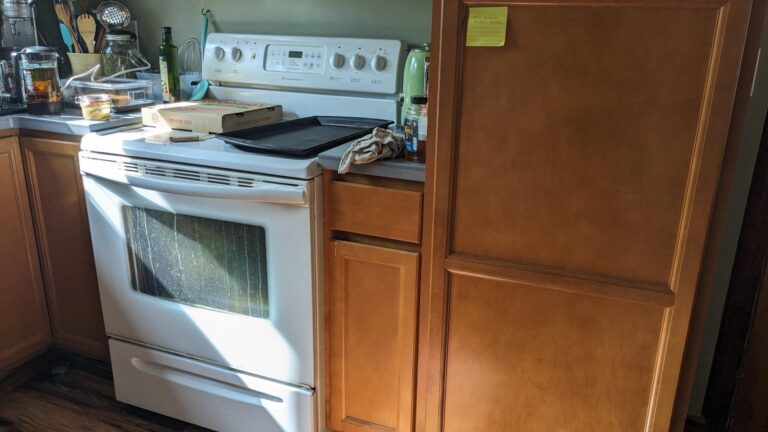
- Skip the kitchen too, mostly. The same 2021 study found kitchen temperatures spiking up to 97.3°F (36.3°C) near the stove and dishwasher, and steam pours off the sink the same way it pours off a shower. If the kitchen is your only option, pick a high cabinet on the opposite wall from the stove, sink, and dishwasher.
- Never leave pills in the car. Glove box or trunk, doesn’t matter. Even a mild sunny day pushes a car interior past every storage limit on any label.
- Leave the bathroom cabinet for what it’s actually good at. Bandages, tweezers, cotton swabs, floss, nail clippers, hair ties. None of those care about humidity.
- Check bottles every six months. If a pill looks discolored, smells odd, feels chalky or sticky, or the coating looks off, moisture has almost certainly gotten to it. Drop it at a pharmacy take-back program, not the trash and not the toilet.
One honest note, because a trustworthy story tells you the whole picture. Not every pharmacist agrees the risk is as big as most of the field says. Michelle Chui, a pharmacy professor at the University of Wisconsin-Madison, told Health magazine she doesn’t personally believe normal home bathroom humidity spoils medicine. Hers is the minority view. The USP standards, the FDA guidance, the 2021 household study, and the pharmacists quoted above all point the other way. But you should know the disagreement exists, so you’re deciding with the full picture and not just a scary headline.
Sources: (1) ABC News interview with Selig Corman, Pharmacists Society of the State of New York; (2) Innovations in Pharmacy 2021 household medication storage study, PubMed Central; (3) FDA Expiration Dating and Stability Testing for Human Drug Products, inspection technical guide; (4) 21 CFR 205.50, prescription drug storage requirements, eCFR; (5) USP <659> and <1079> packaging and storage requirements, Sensitech; (6) Deseret News on Baystate Health medication storage guidance; (7) ScienceInsights on medication storage and Abby Case, St. Joseph’s/Candler; (8) CDC Heat and Medications guidance for clinicians; (9) Rolling Out on bathroom medication storage risks, citing pharmacist Shazia Zafar; (10) University of Wisconsin-Madison clipsheet, Michelle Chui on bathroom storage.